City guide

    Sapa

    Explore Sapa, Vietnam

    Overview

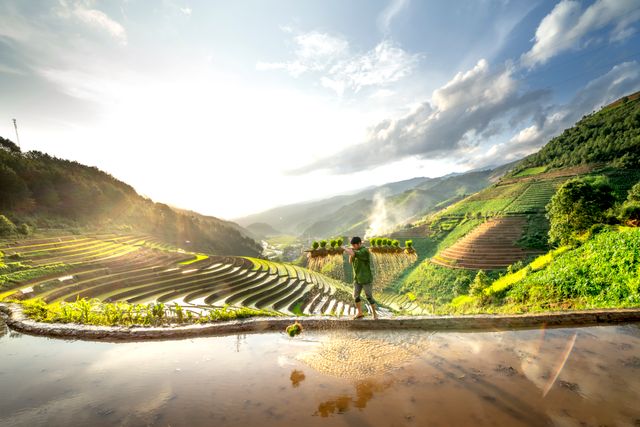
    A misty mountain town in the Northwest highlands, famous for breathtaking terraced rice fields, trekking routes through ethnic minority villages, and Fansipan — Vietnam's highest peak.
    At a glanceSapa · City guide
    Country
    Vietnam
    Region
    Northern Vietnam
    Recommended stay
    3-4 days
    Daily cost
    ≈ $35 / day
    Best time to visit
    Sep - Nov, Mar - May
    sapa · Guide
    Good to know

    Before you go to Sapa

    When to go

    Climate through the year

    Rainfall mm/inchesTemperature °C/°F0/0.00/32100/3.96/43200/7.912/54300/11.818/64400/15.724/75500/19.730/86JFMAMJJASOND
    Monthly temperature and rainfall
    MonthMin °CMax °CRainfall mm
    J51320
    F61525
    M81845
    A112190
    M1424180
    J1625260
    J1725350
    A1725330
    S1524220
    O1221110
    N91845
    D61420

    Spring (Feb-Apr)

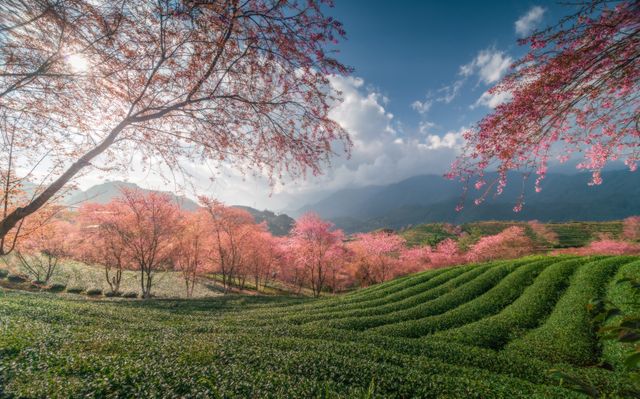
    Cool to mild weather, blooming flowers, and clearer mountain views. In Sapa, late April is especially pleasant for flowers and skies.

    Great for trekking, photography, and comfortable walking conditions.
    Can still be chilly or misty early in the season; holiday periods may be busier.

    Ideal for: Rice-terrace hikes, village visits, and scenic viewpoints.

    Pack: Light layers, a warm jacket for mornings/evenings, and a rain shell.

    Summer (May-Aug)

    Warm, humid, and rainier, with lush green terraces and dramatic mountain scenery.

    Best for vivid landscapes and often better value on lodging outside peak holiday dates.
    Frequent rain, slippery trails, and occasional storms can disrupt trekking plans.

    Ideal for: Waterfall visits, homestays, and flexible trekking itineraries.

    Pack: Breathable clothes, waterproof shoes, raincoat, and a dry bag.

    Autumn (Sep-Nov)

    One of the best times to visit: cool, dry, and clear, with golden rice terraces in September and early October.

    Best weather for trekking and photography; excellent visibility.
    Higher demand and peak-season pricing, especially in September and October.

    Ideal for: Terrace viewpoints, long hikes, and scenic day trips.

    Pack: Layers, comfortable hiking shoes, sun protection, and a light jacket.

    Winter (Dec-Jan)

    Cold, misty, and sometimes foggy; temperatures can drop sharply in the mountains, with occasional frost or snow in rare years.

    Quieter atmosphere and lower prices outside holiday periods.
    Chilly conditions, limited visibility, and less reliable mountain views.

    Ideal for: Cozy homestays, hot meals, and cultural experiences.

    Pack: Warm jacket, scarf, gloves, and thermal layers.

    Daily budget

    Low season / day
    25-45 USD (budget solo traveler, excluding accommodation)
    Peak season / day
    40-70 USD (peak trekking season, excluding accommodation)
    Cash
    Carry 500,000-1,000,000 VND in small bills for markets, taxis, snacks, and homestays.
    Exchange
    Use banks or licensed exchange counters in Lao Cai/Sapa; avoid informal money changers unless clearly reputable.
    ATMs
    Available in Sapa town, but plan ahead because machines can run out of cash during busy periods; fees vary by bank and card.
    Cards
    Moderate - hotels, upscale restaurants, and tour operators often accept cards, but cash is preferred at markets, small eateries, and village homestays.

    Events & festivals

    • Tet (Lunar New Year)Late Jan or Feb (varies by lunar calendar)

      Family gatherings, flower displays, festive food, and a strong holiday atmosphere across northern Vietnam.

      Tip: Book transport and accommodation early; many businesses close for several days, so bring enough cash and expect limited services.

    • Mid-Autumn FestivalSep or Oct (15th day of the 8th lunar month)

      Lanterns, mooncakes, children’s parades, and lively evening street scenes.

      Tip: Best experienced in town centers and local markets; go after dark for the brightest lantern displays.

    • Sa Pa Autumn FestivalAug-Oct

      Cultural performances, local specialties, crafts, and the famous Sa Pa Love Market.

      Tip: A strong time to visit if you want culture plus peak rice-terrace scenery.

    • Bac Ha Sunday MarketEvery Sunday year-round

      Ethnic minority trading, colorful clothing, local produce, and a lively mountain-market atmosphere.

      Tip: Go early in the morning for the best energy and fewer tour groups.

    Getting there

    How to reach Sapa from abroad or within Vietnam.

    Arriving internationally

    • Fly into Hanoi’s Noi Bai International Airport (HAN), then continue to Sapa by overnight train, sleeper bus, or limousine van. Sapa itself does not have an airport; the usual rail gateway is Lào Cai, followed by a road transfer to town.
    • From Hanoi to Sapa, the most common options are overnight trains to Lào Cai plus a transfer to Sapa, or direct buses/shuttle vans that typically take about 5 to 6 hours and stop in Sapa town center.
    • If arriving internationally, Hanoi is the main entry point for northern Vietnam, with onward connections to Sapa by rail or road. ([vietnam.travel](https://www.vietnam.travel/places-to-go/northern-vietnam/sapa?utm_source=openai))

    From within the country

    • From Hanoi, take an overnight train to Lào Cai, then a transfer van or taxi up to Sapa town; this is the classic route and remains popular for comfort and scenery.
    • Direct sleeper buses and limousine vans from Hanoi to Sapa are widely available and usually the fastest door-to-door option.
    • From other Vietnamese cities, the practical route is usually to fly or take a train/bus to Hanoi first, then continue to Sapa by road or rail. ([vietnam.travel](https://www.vietnam.travel/places-to-go/northern-vietnam/sapa?utm_source=openai))

    Booking & arrival tips

    • Book train or bus tickets in advance during weekends, holidays, and the rice-terrace high season.
    • For solo travelers, direct limousine vans can be the easiest value-for-money option because they reduce transfers and arrive in town center.
    • If you take the train, plan for the extra transfer from Lào Cai to Sapa town after arrival.
    • Keep some cash in Vietnamese dong for local transfers, small shops, and mountain-area services.
    • Download offline maps before leaving Hanoi because mountain signal can be patchy in parts of the route and around villages.

    Getting around

    Walking

    Free

    Best for Sapa town center and short scenic strolls.

    Taxi

    Low to moderate

    Useful for hills, village transfers, and rainy weather.

    Motorbike taxi

    Low

    Fast for short hops; agree on the fare first if not using an app.

    Mountain bike rental

    Low to moderate

    Good for exploring valleys and quieter roads.

    Tour shuttle / private transfer

    Moderate

    Best for airport/train station transfers and day trips.

    Good to know. Sapa has steep roads and pathways, so walking works well in town but taxis or transfers are better for longer village routes or luggage-heavy trips. ([vietnam.travel](https://www.vietnam.travel/places-to-go/northern-vietnam/sapa?utm_source=openai))

    Handy apps

    GGoogle Maps

    Navigation and offline maps.

    Download offline maps before arrival for mountain roads and village areas.

    GGrab

    Ride-hailing and food delivery where available.

    Useful for airport transfers, city rides, and food delivery in larger towns; availability can be thinner in remote mountain areas.

    XXanh SM

    Electric ride-hailing in Vietnam.

    Good backup if you want app-based transport in Vietnam cities before or after Sapa.

    BBe

    Ride-hailing and delivery.

    Worth checking alongside Grab for price comparison in Hanoi and Lao Cai.

    Backup. Ask your hotel for a printed map or a driver card with the Vietnamese name of your destination.

    Where to stay

    Nightly rates: 10-25 USD/night for hostels and simple guesthouses, 30-70 USD for mid-range hotels, 80+ USD for upscale mountain lodges and boutique stays

    Sapa Town Center

    First-time visitorsSolo travelersShort stays

    Best base for first-time visitors, with easy access to the stone church, market, cafés, and transport to trekking villages.

    Cat Cat Village area

    Nature loversTrekkingCouples

    Scenic hillside area just outside town, convenient for short walks, viewpoints, and easy trekking access.

    Muong Hoa Valley

    TrekkingHomestaysBudget travelers

    Rural valley area with rice terraces and homestays; quieter and more immersive than town center.

    Lao Chai

    Culture seekersTrekkingBudget stays

    Village area known for terrace views and ethnic minority homestays, ideal for slower travel and overnight treks.

    Ta Van

    HomestaysSolo travelersSlow travel

    Popular homestay village with a relaxed atmosphere, good valley views, and access to guided or self-guided walks.

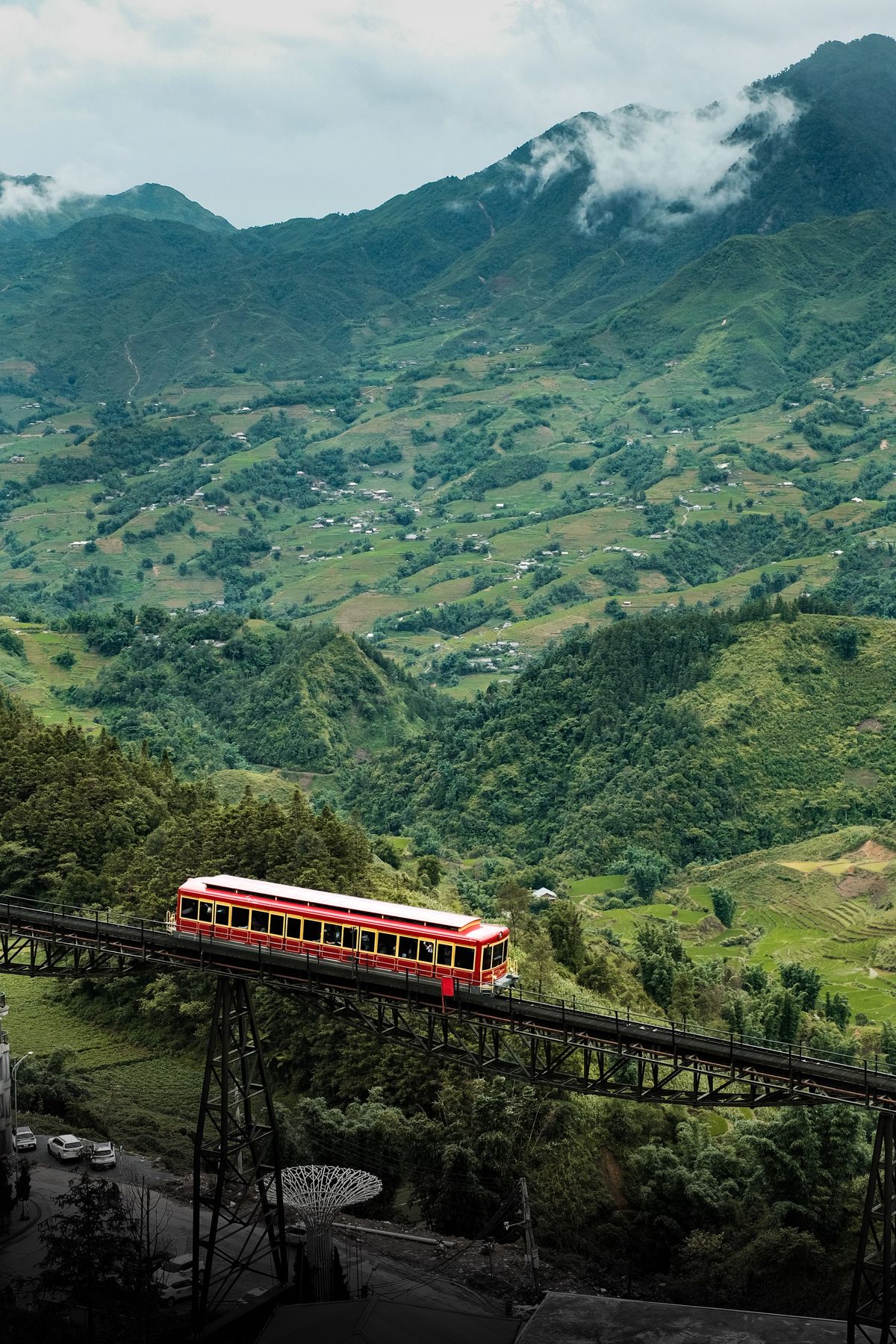
    Fansipan cable car area

    SightseeingShort staysConvenience seekers

    Useful if you want quick access to Fansipan and mountain viewpoints, though less walkable than central Sapa.

    Booking tip: Book early for September-October rice terrace season and around Vietnamese holidays; for solo travelers, choose a central guesthouse or homestay with strong reviews and arranged transfers.

    Health & safety

    Emergency numbers

    ambulance
    115
    fire
    114
    police
    113
    national emergency hotline
    112

    Medical facilities

    • Bệnh viện Đa khoa thị xã Sa Pa+84 214 3871 115

      Sa Pa, Lào Cai, Vietnam

      Main local hospital in Sapa; use for urgent care and stabilization.

    • Bệnh viện Đa khoa số 1 tỉnh Lào Cai+84 214 3822 115

      Lào Cai City, Lào Cai, Vietnam

      Provincial hospital with broader emergency capability; best higher-level option near Sapa.

    • Bệnh viện Đa khoa huyện Bát Xát+84 214 3870 115

      Bát Xát, Lào Cai, Vietnam

      Nearby district hospital option for non-life-threatening issues.

    Staying safe

    General safety
    Beware of pickpockets and bag snatching in crowded markets, bus stations, and tourist spots. Be cautious with motorbike taxis and trekking guides; agree on prices in advance.
    Notes
    Avoid tap water; use sealed bottled or boiled water. Watch traffic carefully when crossing streets, especially on narrow roads and in fog or rain. In Sapa, weather can change fast, so carry layers and be cautious on slippery trails.
    What to carry
    Comfy shoes, water bottle, basic meds (painkillers, antidiarrheal, mosquito repellent), rain jacket, and a small flashlight for mountain roads.
    Lost items
    Nearest local police station in Sa Pa or the Sa Pa Town Police office
    • Carry hand sanitizer for street food and market visits.
    • Use sunscreen, a hat, and insect repellent in warm months.
    • Rest immediately if feeling dizzy, overheated, or short of breath at altitude.
    • Keep your phone charged and download offline maps before heading into rural areas.
    • Carry your passport copy and travel insurance details for faster registration.
    • Call ahead or ask your hotel to contact the hospital if you need urgent help.
    • For serious injury or breathing problems, go to the nearest hospital immediately and use local emergency numbers.
    • For medical emergencies, call 115; for police help, call 113; for fire/rescue, call 114; 112 is the national emergency hotline.
    • Keep valuables secured in crowded markets and on buses.
    • If you lose your passport, report it to local police first and then contact your embassy or consulate.

    Local customs

    Etiquette & local habits

    • Dress modestly in villages, temples, and family homes; cover shoulders and knees when possible.
    • Ask before photographing people, especially ethnic minority residents and children.
    • Bargain politely at markets, but not in restaurants or homestays.
    • Walk carefully on mountain paths and roads; traffic is lighter than Hanoi, but roads can be steep, wet, and slippery.
    • For solo travelers, join a small trekking group or homestay dinner to meet people safely and avoid paying for private-guide-only pricing.

    When the city is open

    Town attractions and viewpoints are often best visited in daylight; many shops and cafés stay open into the evening, while trekking routes, village visits, and cable-car plans are safest and most practical during daytime.