City guide

    Kampot

    Explore Kampot, Cambodia

    Overview

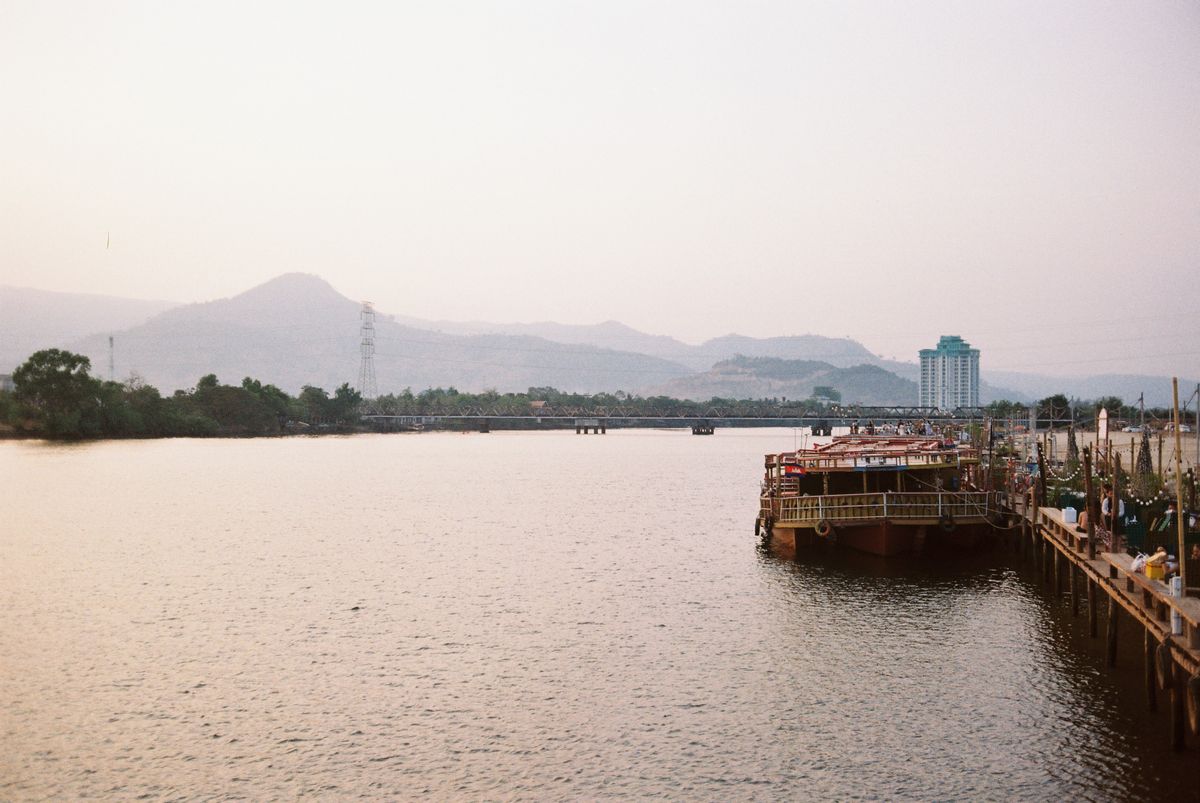
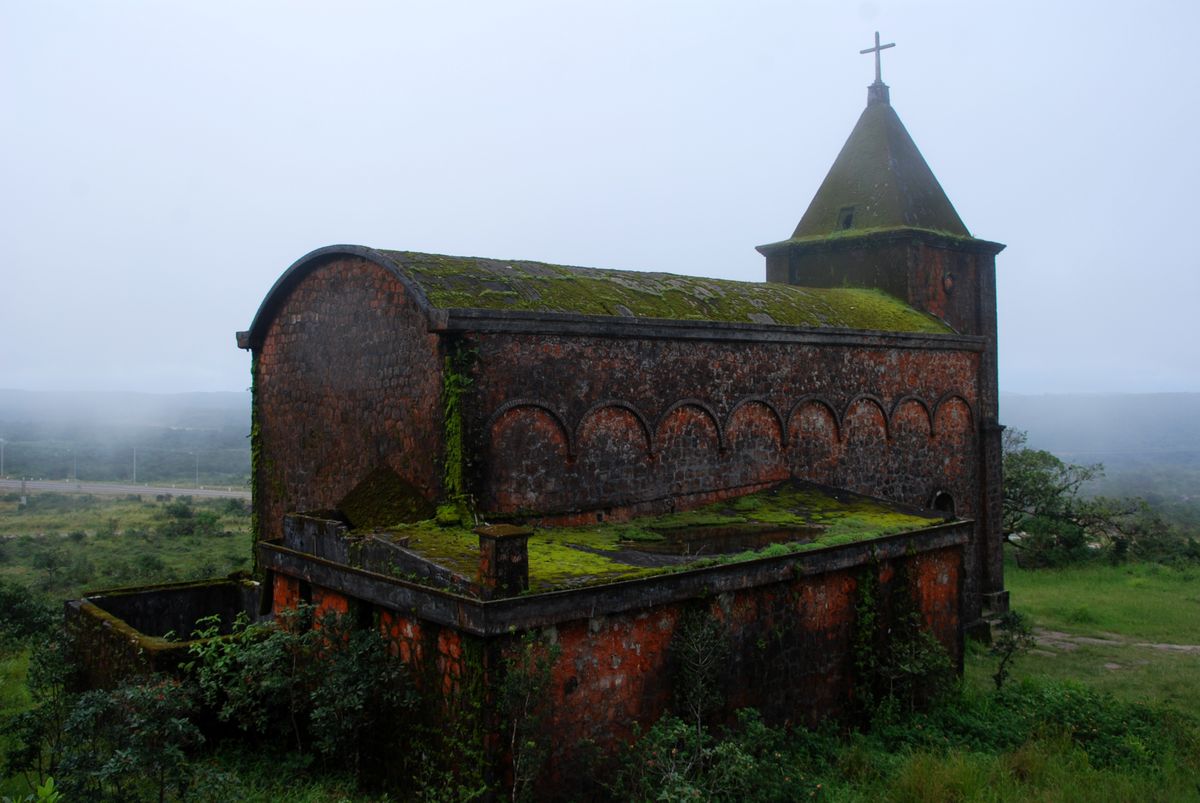
    A laid-back riverside town known for pepper farms, colonial-era buildings, and easy access to Bokor Mountain and the coast.
    At a glanceKampot · City guide
    Country
    Cambodia
    Region
    Southern Cambodia
    Recommended stay
    2-4 days
    Daily cost
    ≈ $35 / day
    Best time to visit
    Nov - Feb, Mar - May
    kampot · Guide
    Good to know

    Before you go to Kampot

    When to go

    Climate through the year

    Rainfall mm/inchesTemperature °C/°F0/0.010/50100/3.916/61200/7.922/72300/11.828/82400/15.734/93500/19.740/104JFMAMJJASOND
    Monthly temperature and rainfall
    MonthMin °CMax °CRainfall mm
    J142815
    F163020
    M203435
    A233695
    M2432170
    J2430175
    J2429215
    A2429260
    S2329205
    O2228120
    N182655
    D142520

    Cool & Dry Season (November – February)

    Best time to visit — cool comfortable temperatures, clear air, excellent trekking conditions, and Luang Prabang's most atmospheric season for the monk alms-giving ceremony and Mekong sunsets

    Comfortable 15–28°C with cool evenings, clear blue skies, excellent visibility from Mount Phousi, good conditions for cycling, kayaking, and the Nam Ou river areas. December–January is peak season with ideal weather.
    Peak tourist season with higher accommodation prices and more tourists at major sites (alms-giving ceremony, Kuang Si Falls). December–January require booking well in advance.

    Ideal for: First-time visitors, culture seekers, photographers, trekkers, couples, those wanting the full Luang Prabang experience

    Pack: Light layers for daytime (20–28°C) plus a warm jacket or fleece for cool evenings and mornings (November–January nights can drop to 10–15°C). Comfortable walking shoes for temple steps.

    Hot Season (March – May)

    Lao New Year (Pi Mai Lao) in mid-April is a magnificent 3-day water festival with blessings, traditional games, and the Miss Lao New Year ceremony; smoke/haze from agricultural burning affects visibility in March–April

    Lao New Year (April 13–15) is one of Southeast Asia's most beautiful traditional celebrations. Fewer international tourists outside the festival. Waterfalls begin to swell with seasonal rains by May.
    Very hot 33–40°C. Smoke haze from field burning (March–April) reduces visibility for mountain views. April is the hottest and most challenging month. Kuang Si Falls water level low in dry season.

    Ideal for: Lao New Year celebration, budget travelers willing to manage the heat, those who prefer fewer crowds

    Pack: Light breathable clothing, SPF 50+ sunscreen, hat, large water bottle. Waterproof everything during Pi Mai Lao water festival.

    Wet Season (June – October)

    Lush green countryside, Mekong River at full impressive width and power, Kuang Si Falls at maximum flow and most beautiful deep blue-green color; the Mekong Valley is stunning in monsoon green

    Kuang Si Falls at its most spectacular (jade-green pools, powerful main falls), lush jungle scenery, fewest tourists, lowest prices, beautiful light for photography
    Heavy daily rains (afternoon/evening), some trekking trails impassable, Mekong boat trips more challenging in high water, some roads to remote areas close. Humidity is high.

    Ideal for: Budget travelers, photographers, nature lovers, Kuang Si waterfall enthusiasts, repeat visitors

    Pack: Lightweight rain poncho, waterproof hiking shoes, quick-dry clothing, insect repellent, waterproof bag for camera

    Daily budget

    Low season / day
    Budget: $25–40/day (guesthouse $15–25, meals $3–6, Kuang Si Falls entry 20,000 LAK ($1), bicycle rental $2–3/day). Luang Prabang is slightly more expensive than Cambodia but still very affordable.
    Peak season / day
    Budget: $35–55/day. Mid-range: $70–130/day. Boutique and heritage hotels: $100–300+/night. Pi Mai Lao (April) and December peak require booking 1–2 months in advance.
    Cash
    Lao Kip (LAK) is the official currency but Thai Baht and US Dollars are widely accepted by tourist businesses. Most ATMs dispense Kip; some dispense USD or Baht. Carry a mix of Kip for small purchases and USD for larger payments at guesthouses.
    Exchange
    Exchange at BCEL Bank or LDB Bank in Luang Prabang for best Kip rates. BCEL has an exchange counter at the Night Market area. USD and Baht accepted by most tourist businesses at reasonable rates. Avoid exchanging at guesthouses.
    ATMs
    BCEL Bank and LDB Bank ATMs in central Luang Prabang. Limited ATMs — withdraw sufficient cash as ATMs sometimes run out of notes. Standard fee 20,000–50,000 LAK ($1.50–3) per withdrawal. Withdraw from Vientiane or on arrival if possible.
    Cards
    Limited — major hotels, some restaurants, and larger guesthouses may accept cards. Most restaurants, markets, tuk-tuks, and local shops are cash only. Always have sufficient Kip and small denomination USD.

    Events & festivals

    • Pi Mai Lao (Lao New Year Water Festival)April 13–16 (3–5 days)

      Luang Prabang's most spectacular festival — traditional Lao New Year celebrated with water blessings (everyone gets soaked), sand stupa building at the riverside, beauty pageant, traditional games, and Buddhist merit-making ceremonies. The most beautiful traditional New Year festival in Southeast Asia.

      Tip: Book accommodation 1–2 months in advance — Luang Prabang fills completely for Pi Mai. Protect electronics with waterproof bags. Attend the morning temple blessings before the water festivities begin for the most authentic cultural experience.

    • That Luang Festival (Boun That Luang)October–November full moon

      Major Buddhist festival with monks' processions, temple ceremonies, and candlelit offerings. While the main celebrations are in Vientiane, Luang Prabang's temples hold beautiful local ceremonies.

      Tip: Witness the candlelit temple processions at Wat Xieng Thong and Wat Visoun for a deeply authentic Buddhist cultural experience.

    • Tak Bat (Alms-Giving Ceremony)Daily at dawn (approximately 5:30–6:00am)

      Not a festival but Luang Prabang's most iconic daily ritual — hundreds of monks in saffron robes walk in procession through the old town before dawn to receive offerings of sticky rice from kneeling devotees. A deeply moving and authentic Buddhist tradition.

      Tip: Observe respectfully from a distance — do NOT get in the monks' faces with cameras, purchase rice offerings from street vendors (often stale and harmful to monks' health), or touch the monks. The authentic experience is enhanced by respectful distance and silence.

    Getting there

    Getting to Luang Prabang

    Arriving internationally

    • Direct flights from Bangkok Suvarnabhumi (1h20m) — Bangkok Airways, Lao Airlines
    • Direct flights from Chiang Mai (1h) — Bangkok Airways
    • Direct flights from Hanoi (1h) — Vietnam Airlines, Lao Airlines
    • Direct flights from Siem Reap (~1h30m) — Lao Airlines, Bangkok Airways
    • Direct flights from Singapore (~2h30m) — Silk Air / Singapore Airlines
    • Direct flights from Kuala Lumpur (~2h30m) — AirAsia
    • Slow boat from Chiang Rai (Thailand) via Huay Xai border crossing — cross to Houayxay, Laos, then 2-day Mekong slow boat to Luang Prabang

    From within the country

    • Fly from Vientiane (Wattay Airport) to Luang Prabang International Airport (LPQ) — 40 minutes via Lao Airlines
    • Bus from Vientiane (~10–11 hours, overnight buses available, ~$15–20)
    • Bus from Vang Vieng (~6 hours, $8–12) — scenic mountain road through limestone karsts
    • Slow boat from Huay Xai (Thai border) — 2 days down the Mekong, stopping overnight in Pakbeng (iconic backpacker route, ~$40–60 all-in)

    Booking & arrival tips

    • Luang Prabang International Airport (LPQ) is small and easy to navigate — 20 minutes from town by tuk-tuk ($5–8)
    • Book Bangkok Airways and Lao Airlines flights early — routes fill quickly in peak season (Nov–Feb)
    • The slow boat from Thailand is one of Southeast Asia's great travel experiences — book a proper slow boat, not a dangerous speedboat
    • Laos–China high-speed railway now connects Luang Prabang to Vientiane (2h) and to Kunming, China — a newer option for those coming from the north

    Getting around

    Bicycle

    $2–3/day rental

    Best way to explore the compact old town and nearby temples. Flat terrain makes cycling easy. Many guesthouses rent bikes.

    Tuk-tuk

    $2–5/trip (negotiate before getting in)

    Standard transport for longer distances, airport transfers, and day trips. Shared tuk-tuks to popular destinations like Kuang Si Falls available from town center (~$5–8 shared).

    Motorbike Rental

    $8–15/day

    Good for exploring waterfalls, elephant sanctuaries, and outlying villages. International driving license required officially. Road quality varies outside town.

    Slow Boat / Speedboat

    Slow boat $20–40; speedboat $30–50

    Mekong river boats to Pak Ou Caves, Ban Xang Hai (whisky village), and cross-river villages. Speedboats to Huay Xai (border) available but dangerous — not recommended.

    Loca App (Ride-hailing)

    Fixed metered fares

    Laos' local ride-hailing app. Works in Luang Prabang. More transparent pricing than negotiating with tuk-tuks.

    Good to know. Luang Prabang's old town is small enough to walk or cycle everywhere. Rent a bicycle for your first day to get oriented — it takes under an hour to cycle the entire peninsula.

    Handy apps

    LLoca

    Ride-hailing app in Laos — tuk-tuks and cars with metered pricing

    More reliable than negotiating with street tuk-tuks. Available in Luang Prabang.

    GGoogle Maps

    Navigation in Luang Prabang works well with offline maps. Download the Luang Prabang area before arrival.

    GPS works reliably in town. Coverage drops in remote jungle/waterfall areas.

    Backup. Buy a SIM card at Luang Prabang Airport or any UNITEL/LTC shop in town. UNITEL has best coverage. A data SIM with 10–15GB costs ~$5–8 and lasts 30 days. Coverage is good in Luang Prabang town but weak in remote areas. Wi-Fi available at most guesthouses and cafes — speeds reasonable for video calls.

    Where to stay

    Nightly rates: Budget guesthouses $15–25/night; boutique heritage hotels $80–250/night in UNESCO old town; mid-range riverside guesthouses $30–70/night

    UNESCO Heritage Old Town

    First-time visitorstemple-hoppingatmosphere

    The heart of Luang Prabang — most temples, best night market access, colonial-era architecture, top restaurants. Most atmospheric area to stay.

    Mekong Riverside

    Sunset viewsnight marketboat trips

    Guesthouses and hotels along the Mekong offer stunning sunset views, easy access to the night market, and boat excursions. More lively but still peaceful.

    Nam Khan Confluence

    Quiet retreatbamboo bridge walksbudget travelers

    Quieter area where Nam Khan meets the Mekong. Home to budget guesthouses, the seasonal bamboo bridge, and a more local feel. Great for longer stays.

    Booking tip: Book heritage hotels in the old town well in advance during peak season (Nov–Feb). The area around the main street (Sakkaline Road) and near Wat Xieng Thong is most sought-after.

    Health & safety

    Emergency numbers

    Police
    191
    Ambulance / Medical Emergency
    195
    Fire
    190
    Tourist Police
    +856 71 252 308

    Medical facilities

    • Luang Prabang Provincial Hospital+856 71 254 025

      Luang Prabang city center

      Main public hospital. Basic facilities, limited English-speaking staff. Suitable for minor injuries and illnesses. For serious conditions, medical evacuation to Bangkok or Chiang Mai is strongly recommended.

    • Local International-Oriented ClinicsAsk at your accommodation

      Old town area — ask your guesthouse for the current best option

      Several small clinics in the old town cater to tourists and expats. Better English spoken than at the provincial hospital. Good for consultations, prescriptions, and minor treatment.

    • Mahosot Hospital (Vientiane)+856 21 214 022

      Vientiane — 4-5 hour drive or 2 hour flight from Luang Prabang

      Laos' best public hospital. For serious cases not requiring immediate evacuation, this is the best in-country option. However, most serious medical emergencies require evacuation to Thailand.

    • Medical Evacuation to Bangkok / Chiang MaiContact your travel insurance emergency line

      Bangkok or Chiang Mai, Thailand

      CRITICAL: For any serious injury or illness, medical evacuation to Bangkok (Bumrungrad, Bangkok Hospital) or Chiang Mai is typically required. Medical evacuation insurance is ESSENTIAL for travel to Laos — do not travel without it. Cost without insurance can exceed $10,000–30,000 USD.

    Staying safe

    General safety
    Luang Prabang is one of Southeast Asia's safest destinations for travelers. Violent crime against tourists is extremely rare. The city has a calm, respectful atmosphere reflecting Lao Buddhist culture.
    Notes
    Main risks are motorbike accidents (roads outside town are narrow and winding), swimming accidents at Kuang Si Waterfalls (don't swim past barriers — upper pools have dangerous currents), UXO (unexploded ordnance) in remote jungle areas from the Vietnam War era (never walk off marked trails in rural areas), and minor tourist scams (tuk-tuk overcharging, gem scams).
    What to carry
    Wear a helmet when riding motorbikes or scooters — it's legally required and genuinely important on rural roads. Apply sunscreen and insect repellent daily. Carry a small flashlight for navigating dimly lit streets at night.
    Lost items
    Report theft or loss to the Tourist Police office in Luang Prabang. Keep a copy of your passport, visa, and travel insurance policy (digital backup in email is ideal). Your embassy or consulate can issue emergency travel documents — the nearest embassies for most Western countries are in Vientiane.
    • Tuk-tuk overcharging is the most common scam — always agree on the fare before getting in, or use the Loca app for metered pricing
    • Do NOT swim past the barriers at Kuang Si Waterfalls — the turquoise lower pools are safe but upper pools have hidden currents that have caused drownings
    • In remote jungle areas and northern highlands, never walk off marked trails — UXO (unexploded bombs from the Vietnam War era) are still present in rural Laos
    • Keep valuables secure, especially at the night market — pickpocketing is rare but possible in crowds
    • Luang Prabang has a de facto nighttime curfew (~11:30pm) — bars close early; the city is very safe to walk at night
    • Drug laws in Laos are strict — possession can result in heavy fines or imprisonment. Avoid any involvement.
    • Travel insurance with medical evacuation coverage is ESSENTIAL in Laos — local hospital capabilities are very limited for serious cases
    • Bring a basic first-aid kit including antiseptic, anti-diarrheal medication, oral rehydration salts, and antihistamines
    • Malaria risk is LOW in Luang Prabang town itself but PRESENT in rural jungle and northern highland areas — consult a travel health clinic before visiting remote areas
    • Dengue fever is present year-round — use mosquito repellent (DEET 20%+), especially at dawn and dusk
    • Water: Drink only bottled or purified water. Avoid ice from unknown sources in small restaurants. Most tourist restaurants use safe ice.
    • Stomach issues are common in the first few days — eat at busy restaurants, wash hands regularly, and carry rehydration salts
    • Save your travel insurance emergency evacuation number in your phone before you arrive — this is the most important number in Laos
    • Register with your home country's embassy online before travel to Laos — useful for emergency notifications
    • In case of a serious accident at Kuang Si or remote areas, contact your guesthouse immediately — they can coordinate with local services and your insurer faster than going through formal channels
    • Always carry your guesthouse address written in Lao script — useful for tuk-tuk drivers and in case of emergencies

    Local customs

    Etiquette & local habits

    • Tak Bat (Alms-giving Ceremony): Monks collect alms at dawn daily on the main street. This is a sacred Buddhist ritual — observe from a respectful distance. No flash photography. Do NOT buy sticky rice from street touts to offer monks (it's often stale and harmful to their health). If you wish to participate, buy rice from a temple shop the evening before.
    • Dress modestly at all temples: cover shoulders and knees. Many temples provide sarongs at the entrance. Always remove shoes before entering temple buildings.
    • Lao culture is gentle and non-confrontational — avoid raising your voice or showing frustration in public. 'Bo Pen Nyang' (no worries) is the national attitude — embrace the slow pace.
    • The head is considered sacred in Lao culture — don't touch anyone on the head. Feet are considered low — don't point feet toward people, monks, or Buddha images.
    • Bargain gently at the night market — vendors are often hill tribe women selling handmade textiles. Pushing too hard for discounts is considered disrespectful.

    When the city is open

    Temples generally open 8am–6pm daily. Night Market (Sisavangvong Road) runs daily 5pm–10pm. TAEC (Traditional Arts and Ethnology Centre) open Tue–Sun, closed Mondays. Most restaurants close by 10pm — Luang Prabang enforces a quiet curfew by ~11:30pm.