City guide

    Can Tho

    Explore Can Tho, Vietnam

    Overview

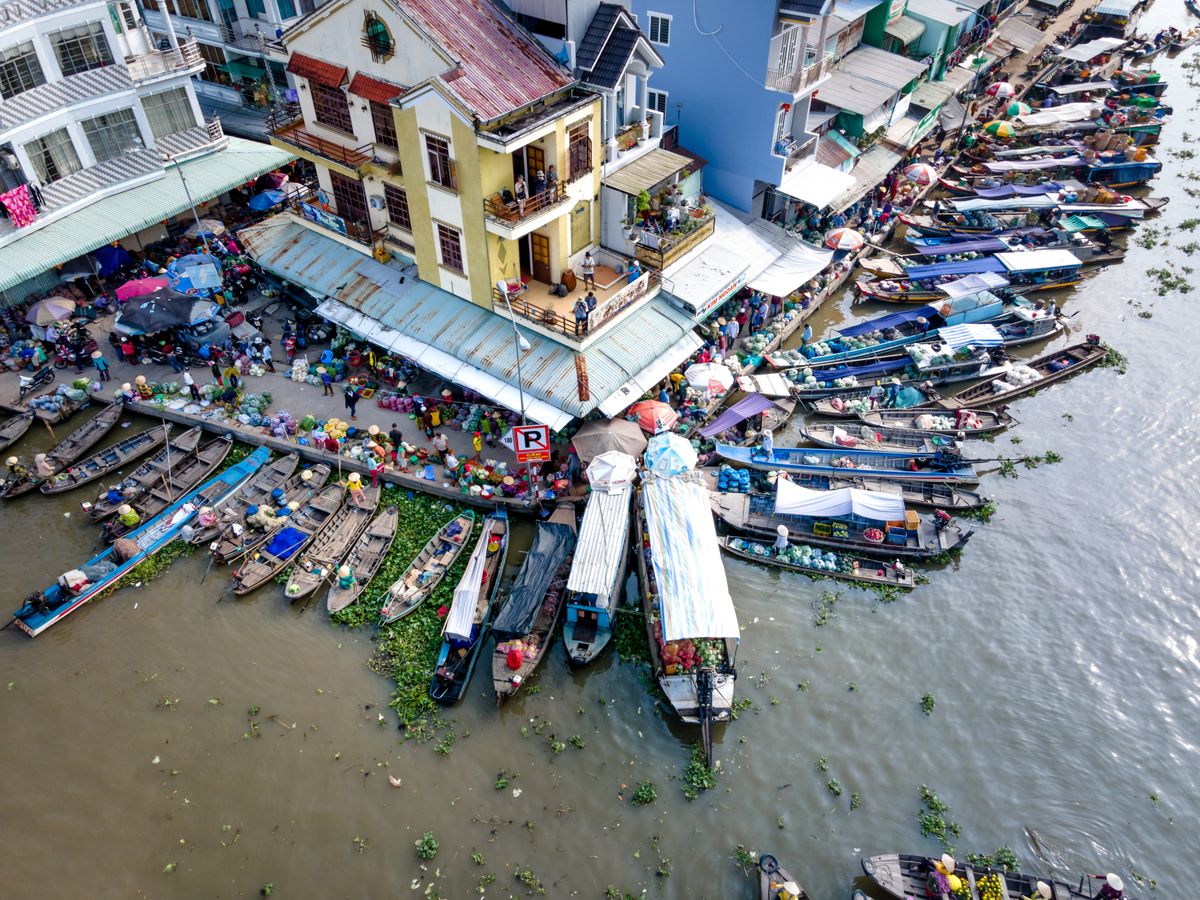
    The heart of the Mekong Delta, celebrated for its iconic Cai Rang floating market, lush fruit orchards, and a laid-back river lifestyle unique to Southern Vietnam.
    At a glanceCan Tho · City guide
    Country
    Vietnam
    Region
    Southern Vietnam
    Recommended stay
    2-3 days
    Daily cost
    ≈ $25 / day
    Best time to visit
    Dec - Apr
    can-tho · Guide
    Good to know

    Before you go to Can Tho

    When to go

    Climate through the year

    Rainfall mm/inchesTemperature °C/°F0/0.020/68100/3.924/75200/7.928/82300/11.832/90400/15.736/97500/19.740/104JFMAMJJASOND
    Monthly temperature and rainfall
    MonthMin °CMax °CRainfall mm
    J223120
    F233210
    M243420
    A263560
    M2634180
    J2533220
    J2532240
    A2532260
    S2431280
    O2431220
    N2331100
    D223040

    Spring (Feb-Apr)

    Warm and mostly dry in Can Tho, with average temperatures around 27-29 °C and relatively low rainfall before the main wet season. Tet often falls in late Jan or Feb, bringing flower markets and festive decorations.

    Good for floating markets, river cruises, and walking around Ninh Kieu without the heaviest rain.
    Holiday crowds and higher prices around Tet; some shops may close briefly.

    Ideal for: Floating markets, riverfront walks, cultural visits, Tet festivities.

    Pack: Light clothing, sun protection, comfortable sandals, small umbrella.

    Summer (May-Aug)

    Hot, humid, and rainy. Can Tho’s wet season typically peaks in these months, with frequent afternoon showers and lush green scenery.

    Lower hotel rates, fewer crowds, and very photogenic canals and orchards.
    Heat, humidity, and rain can disrupt boat trips and outdoor plans.

    Ideal for: Indoor museums, cafes, short early-morning excursions, orchard visits.

    Pack: Breathable clothes, rain jacket, waterproof bag, mosquito repellent.

    Autumn (Sep-Nov)

    Still rainy early on, then gradually improving into drier, more comfortable weather. Temperatures are usually warm rather than cool.

    Good balance of weather and value, especially from late Oct into Nov.
    Some rain can still linger in September and October.

    Ideal for: Day trips, river tours, food tours, photography.

    Pack: Light layers, comfy shoes, umbrella, quick-dry clothing.

    Winter (Dec-Jan)

    One of the best times to visit Can Tho: drier, slightly cooler, and more comfortable for outdoor sightseeing. Temperatures are still warm by global standards.

    Best overall weather for floating markets, cycling, and long walks.
    More visitors during year-end and Tet travel periods; prices can rise.

    Ideal for: Floating markets, river cruises, street food, city sightseeing.

    Pack: Light layers, sun hat, sunscreen, comfortable walking shoes.

    Daily budget

    Low season / day
    20-35 USD (rainy season, excl. accommodation)
    Peak season / day
    30-50 USD (dry season, excl. accommodation)
    Cash
    Carry 500,000-1,000,000 VND (~20-40 USD) in small bills for boats, markets, and street food.
    Exchange
    Use banks or licensed exchange counters; a practical planning rate is about 1 USD ~ 25,000 VND, but check the live rate before exchanging.
    ATMs
    Widely available in the city center and tourist areas; expect a small withdrawal fee depending on your bank and card.
    Cards
    Moderate - cards are commonly accepted at hotels, larger restaurants, and some tour operators, but cash is still preferred for street vendors, boat trips, and local markets.

    Events & festivals

    • Tet (Lunar New Year)Late Jan or Feb (varies)

      Flower markets, family gatherings, festive decorations, and holiday food.

      Tip: Book transport and accommodation early; many businesses close for several days, so keep cash and snacks on hand.

    • Can Tho Flower Street / Spring Flower EventsLate Jan to early Feb

      Seasonal flower displays and public celebrations around the Lunar New Year period.

      Tip: Go in the evening for the best atmosphere and photos.

    • Mid-Autumn FestivalSep or Oct (Lunar Calendar 15/8)

      Lanterns, mooncakes, children’s parades, and family celebrations.

      Tip: Look for lantern displays and community events in central neighborhoods and around temples.

    • Ooc Om Boc - Ngo Boat Racing FestivalLunar October (usually Nov)

      A major Khmer festival in the Mekong Delta featuring boat races, offerings to the moon, and cultural performances.

      Tip: Arrive early for good viewing spots and expect large crowds; check local schedules because dates vary by lunar calendar.

    Getting there

    How to reach Can Tho from abroad or within Vietnam.

    Arriving internationally

    • Can Tho is served by Can Tho International Airport (VCA), also known as Tra Noc Airport, in the Mekong Delta. The airport is about 8-10 km from the city center, so transfers are usually short. ([vietnamairport.vn](https://vietnamairport.vn/vi/cang-hang-khong-quoc-te-can-tho?utm_source=openai))
    • Can Tho currently has no regular direct international flights; most international travelers connect via Ho Chi Minh City or Hanoi, then fly domestically to Can Tho. ([vietnamairlines.com](https://www.vietnamairlines.com/in/en/plan-book/travel/travel-guide/san-bay-tra-noc?utm_source=openai))
    • From the airport, use Grab, a metered taxi, or a pre-booked hotel pickup to reach central Can Tho in roughly 15-25 minutes depending on traffic. ([grab.com](https://www.grab.com/vn/blog/grab-trien-khai-dich-vu-grabcar-tiet-kiem-tai-can-tho/?utm_source=openai))

    From within the country

    • Can Tho is well connected domestically by air, with flights to Hanoi, Phu Quoc, Con Dao, and Da Lat operated by Vietnamese carriers. ([vietnamairport.vn](https://vietnamairport.vn/vi/cang-hang-khong-quoc-te-can-tho?utm_source=openai))
    • If you are coming from Ho Chi Minh City, the most efficient options are a domestic flight, intercity bus, or private car; road travel is common in the Mekong Delta. ([en.wikipedia.org](https://en.wikipedia.org/wiki/C%E1%BA%A7n_Th%C6%A1?utm_source=openai))
    • Intercity buses and private transfers are the most practical budget options for reaching Can Tho from nearby Mekong Delta cities. ([en.wikipedia.org](https://en.wikipedia.org/wiki/C%E1%BA%A7n_Th%C6%A1?utm_source=openai))

    Booking & arrival tips

    • Book domestic flights early during Tet, weekends, and holiday periods because Mekong Delta routes can sell out. ([vietnamairport.vn](https://vietnamairport.vn/vi/cang-hang-khong-quoc-te-can-tho?utm_source=openai))
    • Download Grab before arrival; GrabCar and GrabTaxi are active in Can Tho, and Grab has also introduced GrabCar Tiết Kiệm in the city. ([grab.com](https://www.grab.com/vn/en/blog/driver/grabcar-grabtaxi-hoatdonglai/?utm_source=openai))
    • Keep small cash in Vietnamese dong for taxis, buses, and small purchases, even if you plan to use ride-hailing apps.
    • If you arrive late, pre-arrange a hotel pickup or use an app-based ride instead of negotiating with unmetered taxis outside the terminal.
    • For solo travelers, airport-to-hotel transfers are usually cheap enough that saving a few dollars is not worth the hassle after a long flight.

    Getting around

    Grab / GrabTaxi / GrabCar

    About 40,000-120,000 VND per short city trip

    App-based motorbike or car rides; best for solo travelers and airport transfers. ([grab.com](https://www.grab.com/vn/en/blog/driver/grabcar-grabtaxi-hoatdonglai/?utm_source=openai))

    Taxi

    About 60,000-150,000 VND per short city trip

    Metered taxis from reputable brands are the safest fallback when apps are unavailable.

    City bus

    About 5,000-10,000 VND per ride

    Very cheap for longer local hops, but less convenient for first-time visitors with luggage.

    Walking

    Free

    Best in the riverside center and around Ninh Kieu Wharf; avoid long walks in midday heat.

    Boat / ferry services

    Varies by route

    Useful for river crossings and some Mekong Delta excursions rather than everyday city commuting.

    Good to know. For efficiency and safety, use Grab or a metered taxi for airport transfers and evening rides, and walk or use buses only for short daytime trips in the central districts. Avoid peak traffic around 7:00-9:00 AM and 5:00-7:00 PM.

    Handy apps

    GGoogle Maps

    Navigation and place search.

    Download offline maps before arrival for backup in case mobile data is weak.

    GGrab

    Ride-hailing, taxis, and food delivery.

    Use GrabCar for luggage and GrabBike for the cheapest solo point-to-point rides.

    CCan Tho Smart

    Local city services and information.

    Useful for city-specific public information and digital services.

    TTaxi Cần Thơ

    Local taxi booking.

    A useful backup if Grab supply is limited in your area.

    Backup. Save your hotel address in Vietnamese and keep a screenshot of your destination in case your phone loses signal or battery.

    Where to stay

    Nightly rates: 10-25 USD/night (hostel/guesthouse), 35+ USD for mid-range hotels, 70+ USD for upscale riverside stays

    Ninh Kieu Wharf

    SightseeingSolo travelersFood lovers

    Best base for first-time visitors, right on the Hau River promenade with easy access to boat tours, night market, cafes, and central dining.

    Cai Rang Floating Market area

    Early risersCulture enthusiastsPhotography

    Good for early-morning market access and river experiences; stay near the main river corridors for the easiest boat departures.

    Binh Thuy

    Longer staysBudget travelersQuiet neighborhoods

    Quieter residential district with heritage houses, local eateries, and a more relaxed pace than the riverfront core.

    Can Tho International Airport

    Transit travelersShort staysConvenience seekers

    Practical for late arrivals, early departures, or short stopovers; best if you want fast airport access over city atmosphere.

    An Binh Island

    Nature loversHomestaysSlow travel

    Riverside homestay zone across the water from the city, popular for garden stays, boat access, and a slower Mekong Delta feel.

    Can Tho University area

    Budget travelersSolo travelersLong stays

    Student-heavy district with affordable food, casual cafes, and budget-friendly lodging options.

    Booking tip: Book early for Tet (late Jan-Feb) and for weekend riverfront stays; for the floating market, choose a hotel that can arrange a dawn boat pickup.

    Health & safety

    Emergency numbers

    ambulance
    115
    fire
    114
    police
    113
    national emergency/disaster hotline
    112

    Medical facilities

    • Vinmec Can Tho International Hospital

      150A 3/2 Street, Ninh Kieu Ward, Can Tho City

      International hospital in central Can Tho; emergency department with multilingual support.

    • Can Tho Central General Hospital

      315 Nguyen Van Cu Street, An Khanh Ward, Ninh Kieu District, Can Tho City

      Major public hospital in Can Tho; suitable for serious medical issues.

    • Can Tho University of Medicine and Pharmacy Hospital

      179 Nguyen Van Cu Street, An Khanh Ward, Ninh Kieu District, Can Tho City

      Large teaching hospital with emergency and specialist care.

    Staying safe

    General safety
    Beware of pickpockets and bag snatching in crowded areas like markets, the waterfront, and tourist spots such as Ninh Kieu Wharf and night markets.
    Notes
    Avoid tap water; use bottled or properly treated water. Watch traffic carefully when crossing streets, especially around busy roads and motorbikes. Dengue is a year-round risk in Vietnam, so mosquito protection matters in Can Tho.
    What to carry
    Comfy shoes, water bottle, basic meds (painkillers, antidiarrheal, mosquito repellent), sunscreen, hat, and a small crossbody or anti-theft bag.
    Lost items
    Nearest local police
    • Carry hand sanitizer for street food and market visits.
    • Use sunscreen, a hat, and light clothing in hot weather.
    • Rest in shade or air conditioning if feeling overwhelmed by heat, humidity, or crowds.
    • Use mosquito repellent, especially at dawn and dusk near rivers and canals.
    • Carry your insurance card and passport copy for faster service.
    • Call ahead for emergencies if possible to save time.
    • For severe illness or injury, go to the nearest major hospital or call emergency services immediately.
    • Bring mosquito protection and seek care quickly for fever, rash, or dehydration.
    • Beware of pickpockets in crowded areas like markets and tourist spots.
    • If you need urgent help, call 115 for medical emergencies, 114 for fire/rescue, or 113 for police.
    • For disaster or broader emergency assistance, 112 is also available nationwide.

    Local customs

    Etiquette & local habits

    • Dress modestly for temples and pagodas; cover shoulders and knees.
    • For the floating market, go early in the morning and bring small cash for breakfast boats and drinks.
    • Bargain politely at markets, but not in fixed-price cafes or restaurants.
    • Use steady, predictable steps when crossing roads; do not stop suddenly in traffic.
    • Remove shoes when entering homes, some temples, and certain family-run guesthouses.
    • A small tip for boat drivers, porters, or helpful homestay hosts is appreciated but not mandatory.

    When the city is open

    Many attractions and markets wind down around 5-6 PM; riverfront cafes, night markets, and some restaurants stay open later.