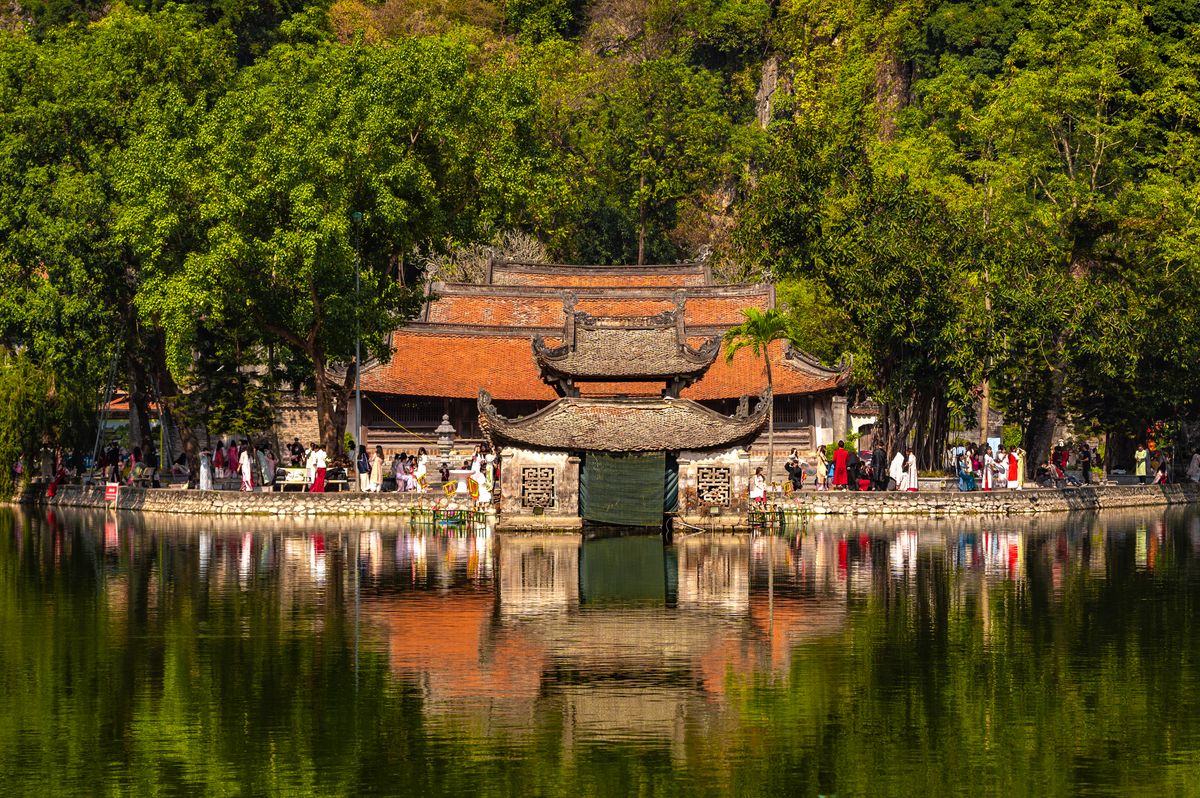
Thay Temple
Chùa Thầy
A historic Buddhist temple complex near Hanoi, famous for its scenic mountain setting, water puppetry heritage, and the legacy of monk Tu Dao Hanh.
Photos
What to know before you go
- Chùa Thầy is traditionally linked to Zen master Tu Dao Hanh, a revered figure in Vietnamese Buddhism and folk culture who is also associated with the development of water puppetry.
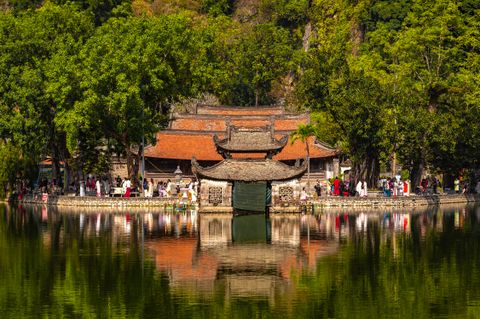
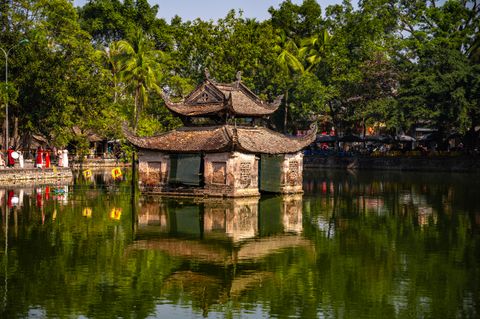
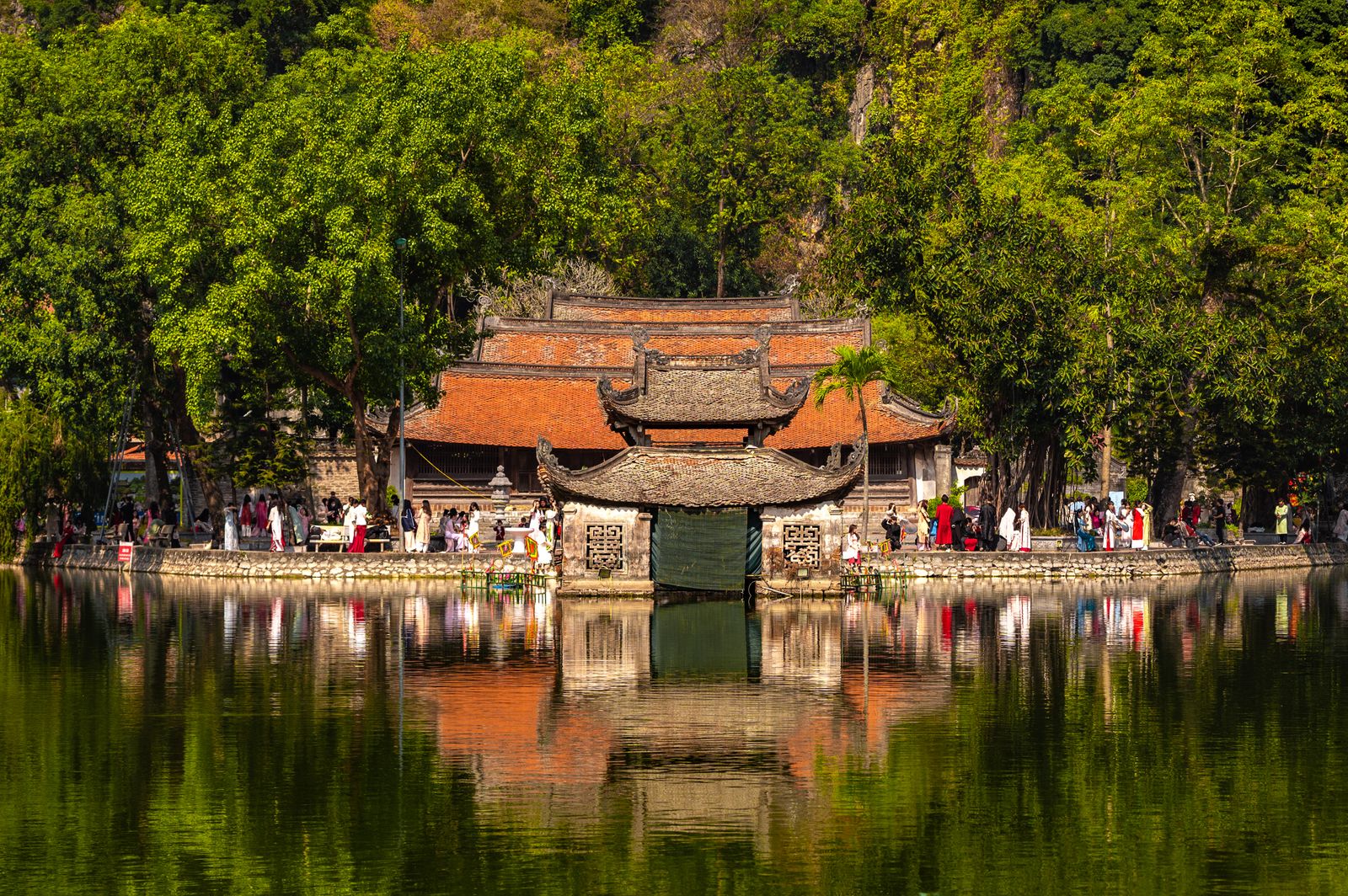
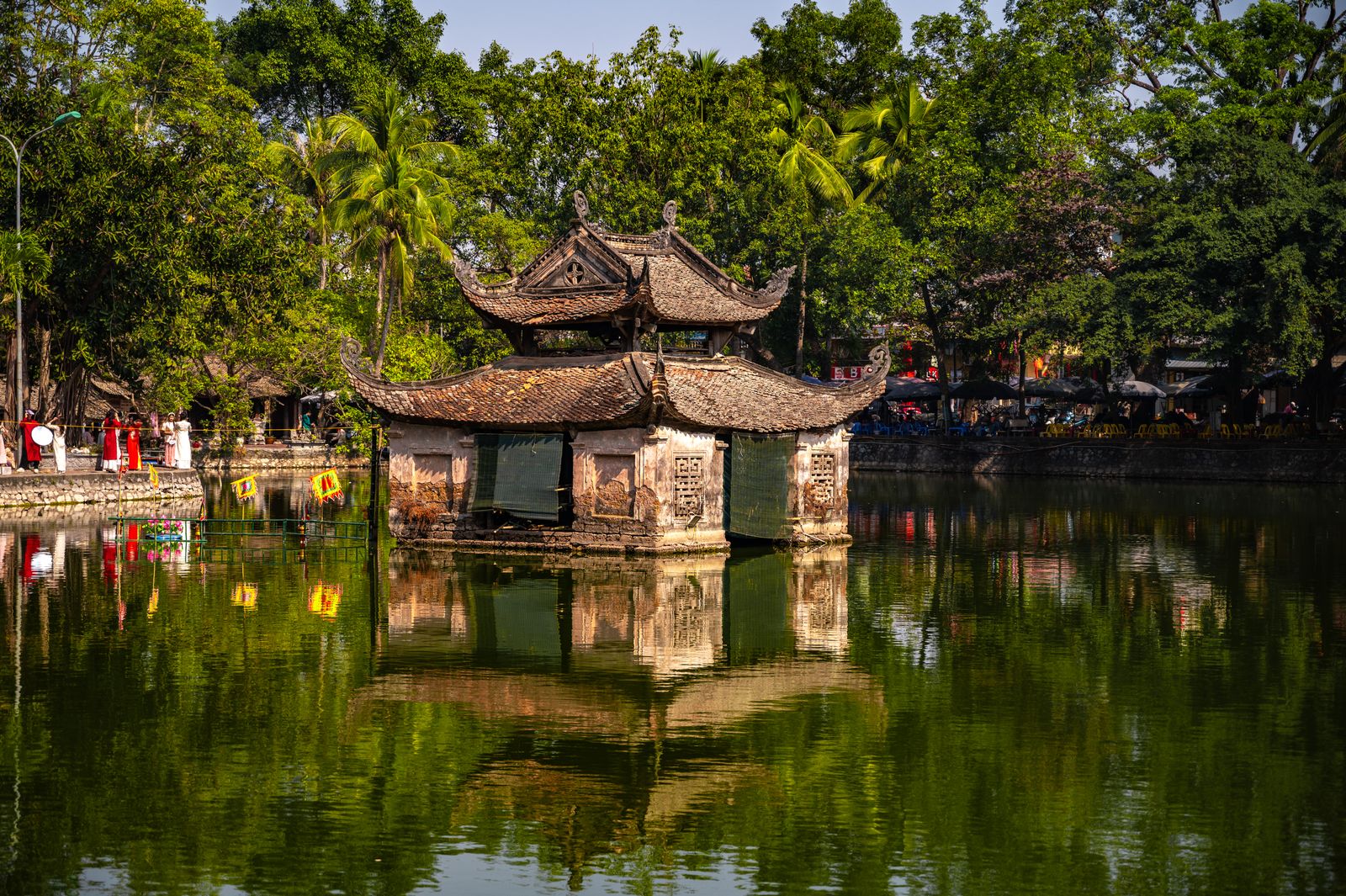
- The complex is known for its three-part layout, scenic lake-and-mountain setting, cave shrines, and traditional Vietnamese architecture, making it one of the most atmospheric temple visits near Hanoi.
- For solo travelers, it is a calm destination best enjoyed in the morning or on a weekday, when the grounds are quieter and it is easier to move around at your own pace.
- The temple is located outside central Hanoi, so it works best as a planned half-day trip by private car, ride-hailing, or a pre-arranged tour rather than a spontaneous city-center stop.
Culture, safety & access
Culture & etiquette
Wear modest clothing, remove hats when entering worship areas, and do not touch altars or statues
Safety & health
Safe for solo visitors, but use caution on stairs, cave paths, and slippery areas after rain
Weather
Best in dry weather; rain can make stone steps and hillside paths slippery
Wheelchair Accessibility
Limited accessibility due to steps, uneven stone paths, and hillside terrain
Visitor Guidelines
Dress modestly, speak quietly, and avoid pointing feet toward altars or statues
Safety Measures
Generally safe and peaceful; keep valuables secure and watch footing on wet or uneven surfaces
Parking Info
Motorbike and car parking is typically available near the temple area for a small fee
Public Transport
Public bus access is possible but less convenient than a taxi or ride-hailing service from Hanoi