City guide

    Hoang Su Phi

    Explore Hoang Su Phi, Vietnam

    Overview

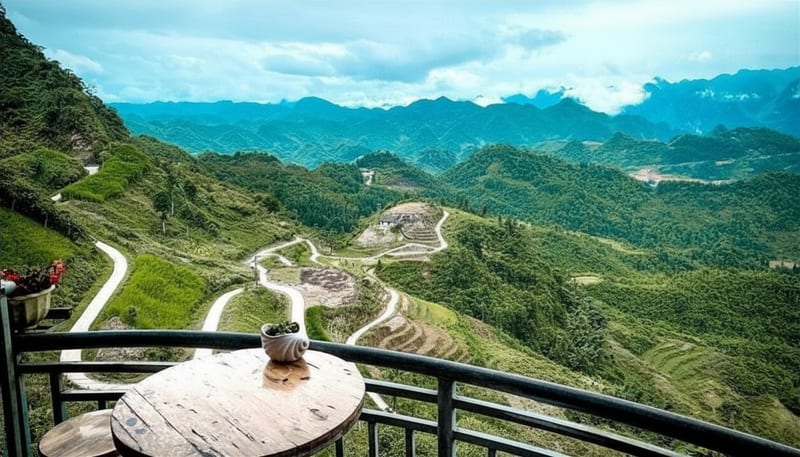
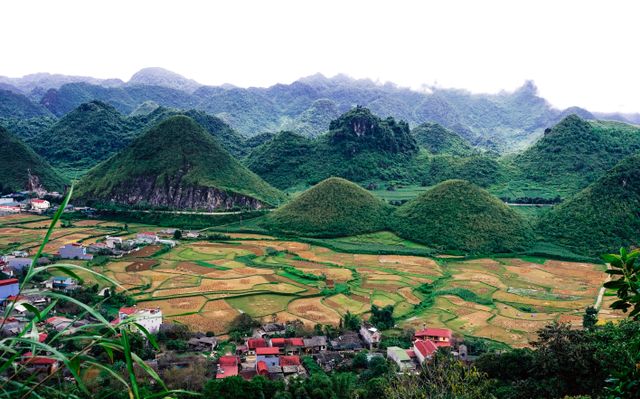
    A remote mountain district famous for dramatic terraced rice fields, ethnic minority villages, and quiet trekking routes.
    At a glanceHoang Su Phi · City guide
    Country
    Vietnam
    Region
    Ha Giang Province, Northeast Vietnam
    Recommended stay
    2-4 days
    Daily cost
    ≈ $45 / day
    Best time to visit
    Oct - Nov, Sep - Oct, May - Jun
    hoang-su-phi · Guide
    Good to know

    Before you go to Hoang Su Phi

    When to go

    Climate through the year

    Rainfall mm/inchesTemperature °C/°F0/0.05/41100/3.911/52200/7.917/63300/11.823/73400/15.729/84500/19.735/95JFMAMJJASOND
    Monthly temperature and rainfall
    MonthMin °CMax °CRainfall mm
    J81820
    F102025
    M132340
    A162790
    M1930180
    J2131260
    J2231320
    A2231300
    S2029220
    O1726110
    N132240
    D91920

    Spring (Feb-Apr)

    Cool to mild weather in Hoang Su Phi (about 12-24 °C), with peach, plum, and pear blossoms in the highlands.

    Great for trekking, photography, and visiting ethnic minority villages; blossoms and fresh mountain scenery are at their best.
    Mornings can be foggy, and light rain/drizzle is common; some trails may be slippery.

    Ideal for: Terrace viewpoints, village homestays, cultural visits, and spring flower photography.

    Pack: 12-24 °C, light jacket, trekking shoes, rain shell, and a small umbrella.

    Summer (May-Aug)

    Warm and humid (about 22-32 °C) with the main rainy season. Rice terraces are lush green, especially from June to August.

    Best for vivid green landscapes, fewer crowds than peak harvest season, and lower accommodation prices in many homestays.
    Heavy rain, muddy roads, landslide risk on mountain routes, and reduced visibility from clouds/fog.

    Ideal for: Green terrace photography, homestays, and short hikes on safer, well-known routes.

    Pack: 22-32 °C, quick-dry clothes, waterproof shoes, raincoat, dry bag, and insect repellent.

    Autumn (Sep-Nov)

    Cooler, drier weather (about 15-27 °C) with the famous golden rice harvest, usually strongest in late September to early October.

    Best overall season for scenery, trekking, and photography; clear skies and harvest views are the main draw.
    Highest visitor demand around harvest time, so homestays and transport can book out early.

    Ideal for: Golden rice terraces, sunrise viewpoints, trekking, and village stays.

    Pack: 15-27 °C, layers, sturdy walking shoes, sun protection, and a light jacket for cool evenings.

    Winter (Dec-Jan)

    Cold, dry, and often foggy (about 8-18 °C), with occasional very chilly nights in higher villages.

    Quieter atmosphere, lower prices, and good conditions for slow travel and cultural stays.
    Can feel cold in unheated homestays, and mountain views are often obscured by fog.

    Ideal for: Homestays, local food, cultural immersion, and relaxed village exploration.

    Pack: 8-18 °C, warm jacket, scarf, socks, and layers for cold nights.

    Daily budget

    Low season / day
    25-45 USD (excluding accommodation; rainy/quiet season)
    Peak season / day
    35-70 USD (excluding accommodation; harvest season and weekends)
    Cash
    Carry 500,000-1,500,000 VND in cash, preferably in smaller bills for homestays, local meals, and shared transport.
    Exchange
    1 USD ~ 25,000 VND (approx. 2025 rate); use banks or licensed exchange counters in larger towns.
    ATMs
    Limited in remote Hoang Su Phi; withdraw in Ha Giang City or larger district centers before heading into the mountains. ATM fees are commonly around 20,000-50,000 VND per withdrawal.
    Cards
    Low to moderate - cash is preferred almost everywhere in Hoang Su Phi, including homestays, local eateries, and transport.

    Events & festivals

    • Tet (Lunar New Year)Late Jan or Feb (varies by lunar calendar)

      Family gatherings, ancestral rituals, traditional food, and festive village atmosphere across ethnic communities.

      Tip: Book transport and homestays well in advance; many small businesses close for several days, so bring enough cash and snacks.

    • Golden Rice Harvest SeasonLate Sep to early Oct

      The terraces turn bright gold, making this the most famous scenic period for trekking and photography in Hoang Su Phi.

      Tip: Reserve homestays early and start sunrise trips before the light changes; roads can be busy with photographers and tour groups.

    • Mid-Autumn FestivalSep or Oct (15th day of the 8th lunar month)

      Lanterns, mooncakes, and children's celebrations in towns and villages, with a more local and family-oriented feel than in big cities.

      Tip: Best experienced in district towns or larger villages; bring a flashlight for evening walks on rural roads.

    Getting there

    How to reach Hoang Su Phi from abroad or within Vietnam.

    Arriving internationally

    • International travelers usually fly into Noi Bai International Airport (HAN) in Hanoi, then continue by road to Ha Giang and Hoang Su Phi.
    • From Hanoi, take a night bus or early limousine van to Ha Giang city, then arrange onward transport to Hoang Su Phi.
    • Some organized tour operators offer direct Ha Noi to Hoang Su Phi packages, which can simplify logistics for solo travelers unfamiliar with the region.

    From within the country

    • Hoang Su Phi is a remote highland district in Ha Giang Province, reachable mainly by road from Ha Giang city or from Hanoi.
    • From Hanoi, the most common route is to drive or take a bus to Ha Giang city (about 5-6 hours), then continue to Hoang Su Phi by road for another 2-3 hours.
    • There is no train or domestic flight directly serving Hoang Su Phi; road is the only option.
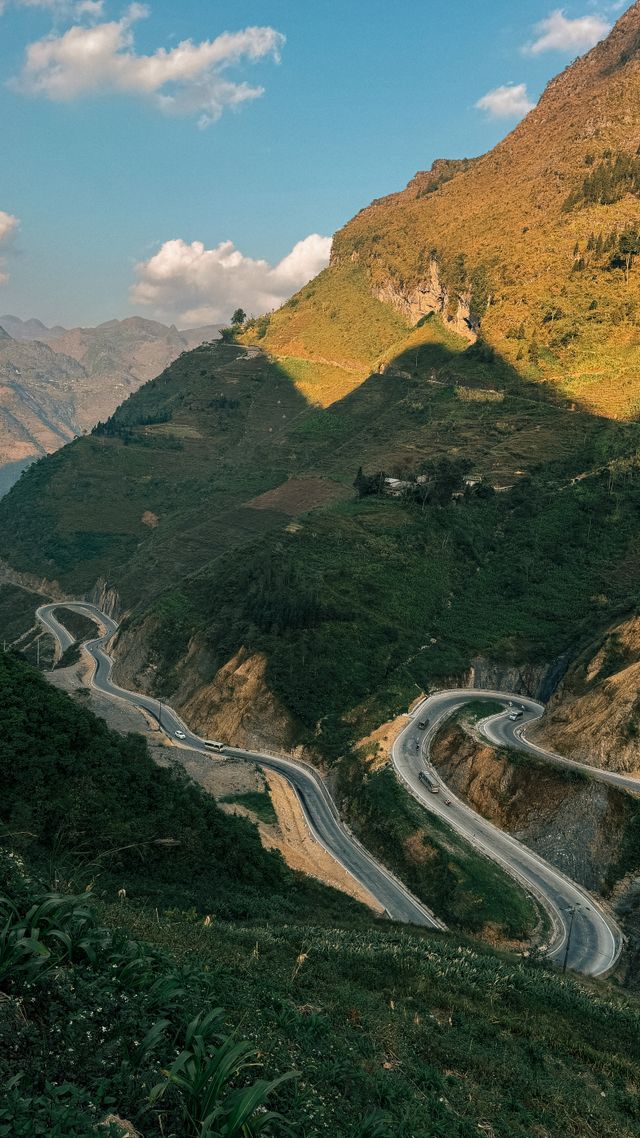
    • Some travelers combine Hoang Su Phi with the Ha Giang Loop, coming from Dong Van or Meo Vac via mountain roads, though this requires a confident motorcycle rider or private driver.
    • From Lao Cai or Sa Pa, it is also possible to reach Hoang Su Phi via Bac Ha and Xin Man, though this route is longer and less traveled.

    Booking & arrival tips

    • Visit during the rice terracing season — typically late September to early November — for the most spectacular scenery.
    • Book transport and accommodation far in advance during the harvest season because demand heavily outstrips supply.
    • Download offline maps before leaving Ha Giang city; mobile signal is weak or absent in many valley and highland areas of Hoang Su Phi.
    • Hire a local guide or join a tour for the best trekking routes through La Chi and Dao minority villages.
    • If self-driving, check road conditions carefully, especially after rain; mountain roads can be slippery and narrow.

    Getting around

    Motorbike rental

    8-15 USD/day

    Best for independent exploration of the terraced fields, villages, and mountain passes.

    Xe om (motorbike taxi)

    2-5 USD/trip

    Short village-to-village hops; negotiate price before riding.

    Private car with driver

    40-80 USD/day

    Best for groups or families; more comfortable but expensive on mountain roads.

    Walking / trekking

    Free

    Essential for reaching deeper viewpoints, rice terraces, and minority villages not accessible by road.

    Good to know. Roads in Hoang Su Phi are narrow and can be steep. Motorbikes are the most flexible option, but only for experienced riders. Walking and trekking are highly recommended to truly experience the landscape and local culture.

    Handy apps

    GGoogle Maps

    Offline navigation and route planning.

    Download offline maps for Hoang Su Phi district and Ha Giang province before leaving Hanoi or Ha Giang city.

    GGrab

    Ride-hailing in major Vietnamese cities before your trip.

    Not available in Hoang Su Phi; use only in Hanoi or Ha Giang city for connecting rides.

    ZZalo

    Local messaging and communication.

    Most important app for contacting local homestay hosts, guides, and drivers; save numbers before leaving city.

    GGoogle Translate

    Translation for Vietnamese and local ethnic minority communication.

    Download Vietnamese offline language pack; camera translation is helpful for menus and signs in minority areas.

    Backup. Save guide contacts, homestay numbers, and Ha Giang city emergency numbers in your phone and on paper before entering the remote Hoang Su Phi area.

    Where to stay

    Nightly rates: 10-25 USD/night for homestays and basic guesthouses, 30-80 USD for eco-lodges and boutique stays

    Hoang Su Phi Town

    Budget travelersShort staysFirst-time visitors

    Small district center with the easiest access to local guesthouses, markets, and transport to surrounding terraced rice villages. Best base if you want simple logistics and lower prices.

    Ban Phung

    Nature loversPhotographersCultural travelers

    Remote mountain village known for dramatic terraced rice fields and ethnic minority homestays. Good for sunrise views and a quieter, more immersive stay.

    Ban Luoc

    TrekkingSolo travelersCultural immersion

    Scenic area with terraced landscapes, Dao and Nung communities, and several homestays near trekking routes. A practical choice for hiking and village visits.

    Thong Nguyen

    CouplesRelaxationScenic stays

    Popular commune for rice terrace viewpoints, eco-lodges, and homestays with easier access than the most remote villages. Good balance of comfort and scenery.

    Nam Ty

    Off-the-beaten-path travelersSolo adventurersBudget stays

    Mountain village area with authentic homestays and access to terraced fields, forest walks, and local ethnic markets. Often quieter than the main tourist spots.

    Panhou Village Area

    Comfort seekersWellness travelersLonger stays

    Eco-lodge and wellness-oriented area in Hoang Su Phi, known for more comfortable stays and organized trekking options.

    Booking tip: Book early for rice terrace season (roughly May-June and September-October), and confirm transport in advance because public options are limited.

    Health & safety

    Emergency numbers

    ambulance
    115
    fire
    114
    police
    113

    Medical facilities

    • Hoang Su Phi District Medical Center0219 3871 115

      Viet Quang town area, Hoang Su Phi District, Ha Giang Province

      Closest district-level facility for basic care and stabilization; limited English support and advanced treatment.

    • Xin Man District Medical Center0219 3870 115

      Xin Man District, Ha Giang Province

      Useful backup facility for nearby remote communes; limited specialist services.

    • Ha Giang General Hospital0219 3862 115

      No. 1 Nguyen Trai, Ha Giang City, Ha Giang Province

      Best regional hospital option for more serious treatment; plan for a long transfer from Hoang Su Phi.

    Staying safe

    General safety
    Main risks are road accidents on mountain routes, slips on terraced paths, weather-related landslides during heavy rain, and minor theft at bus stops or markets. Keep valuables secure, avoid traveling after dark, and use reputable drivers or local guides for remote routes.
    Notes
    Hoang Su Phi is a remote mountainous district in Ha Giang Province, so roads can be steep, narrow, and slippery in the rainy season. Use bottled or boiled water, avoid drinking untreated stream water, and be extra careful on motorbike rides and when crossing village roads where visibility can be poor.
    What to carry
    Sturdy walking shoes or trekking boots, rain jacket, refillable water bottle, headlamp, power bank, basic meds (painkillers, antidiarrheal, oral rehydration salts), mosquito repellent, sunscreen, and a small first-aid kit.
    Lost items
    Nearest commune police station or Hoang Su Phi District Police
    • Carry cash in small denominations because ATMs and card payments are limited in rural areas.
    • Use insect repellent and long sleeves in the evening to reduce mosquito bites.
    • Check weather and road conditions before setting out, especially in the rainy season.
    • If trekking, tell your homestay or guide your route and expected return time.
    • Bring a flashlight or headlamp for villages with limited night lighting.
    • Carry travel insurance details and your passport copy for faster registration.
    • For serious injury or illness, go to Ha Giang City as soon as possible rather than waiting for local treatment.
    • Bring any prescription medicines you need, as rural pharmacies may have limited stock.
    • Use oral rehydration salts for heat or stomach illness while arranging care.
    • If you have a chronic condition, save your medication names in Vietnamese on your phone.
    • If you are injured on a remote road or trail, ask your homestay host or guide to call 115 and arrange transport immediately.
    • Keep offline maps and your accommodation address saved in Vietnamese for emergencies.
    • In case of lost passport or theft, report it to local police first, then contact your embassy or consulate.
    • Avoid relying on late-night transport in remote areas; emergency response can be slow.
    • If severe weather is forecast, postpone mountain travel and stay in a safer, lower-elevation location.

    Local customs

    Etiquette & local habits

    • Greet elders first and use a polite tone; many local communities are Dao, Nung, Tay, and Hmong.
    • Ask before photographing people, especially in villages and at markets.
    • Dress modestly for homestays, village visits, and any local spiritual sites.
    • Bring small cash in Vietnamese dong; card payments and ATMs can be limited outside town.
    • Do not step on rice seedlings or enter terraces without permission, especially during planting and harvest.
    • If invited to share food or tea, accepting at least a small amount is considered respectful.

    When the city is open

    Most local shops and eateries in town close early, often around 7-9 PM; village homestays usually serve dinner on a set schedule.