City guide

    Pu Luong

    Explore Pu Luong, Vietnam

    Overview

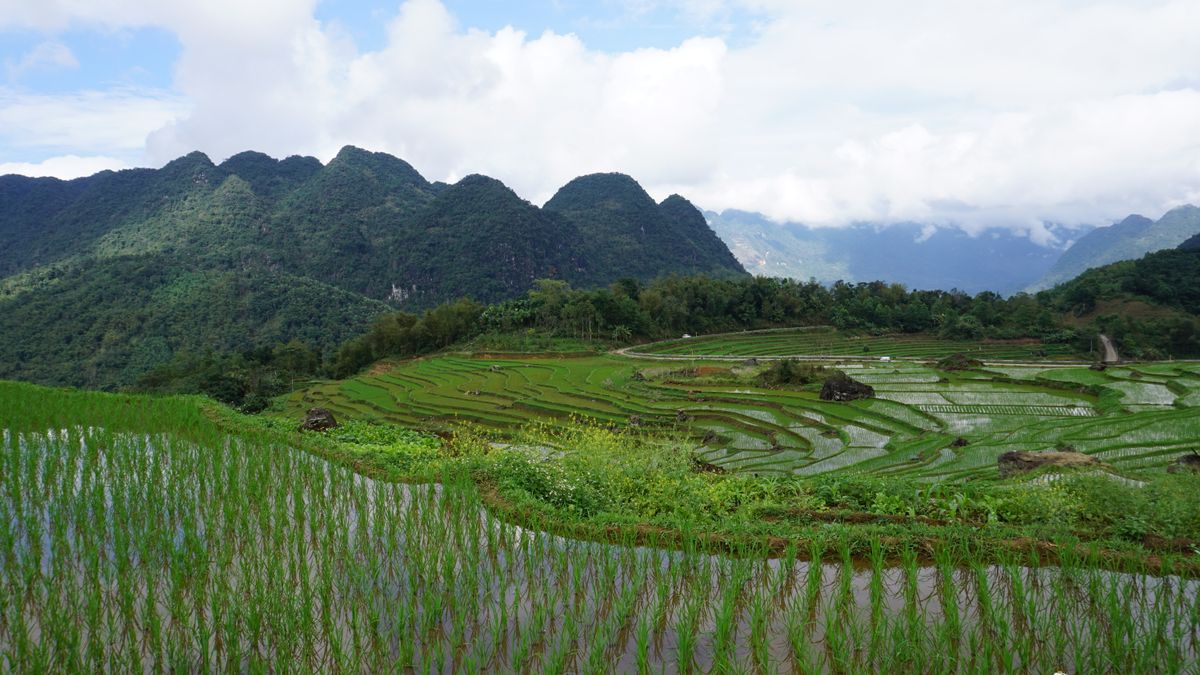
    A quiet mountain nature reserve known for terraced rice fields, ethnic Thai villages, and scenic trekking.
    At a glancePu Luong · City guide
    Country
    Vietnam
    Region
    North Central Coast, Vietnam
    Recommended stay
    2-3 days
    Daily cost
    ≈ $55 / day
    Best time to visit
    Sep - Oct, Nov - Apr, May - Jun
    pu-luong · Guide
    Good to know

    Before you go to Pu Luong

    When to go

    Climate through the year

    Rainfall mm/inchesTemperature °C/°F0/0.010/50100/3.916/61200/7.922/72300/11.828/82400/15.734/93500/19.740/104JFMAMJJASOND
    Monthly temperature and rainfall
    MonthMin °CMax °CRainfall mm
    J141820
    F151930
    M182250
    A212780
    M2531150
    J2733200
    J2834250
    A2733300
    S2531200
    O2228100
    N192550
    D162030

    Spring (Feb-Apr)

    Mild to warm weather with fresh greenery; late February can overlap with Tet, and March-April is generally a comfortable shoulder season for trekking.

    Good walking conditions, fewer crowds than peak harvest season, and pleasant scenery as rice fields begin to turn green.
    Occasional drizzle and mist; Tet travel can mean limited services and higher demand.

    Ideal for: Trekking, village visits, homestays, and photography.

    Pack: Light layers, a light rain jacket, and trekking shoes.

    Summer (May-Aug)

    Warm, humid weather; late May and early June bring lush green rice terraces, while July-August is wetter with more frequent storms.

    Very scenic greenery, good for budget travelers, and still cooler than many lowland destinations thanks to the valley setting.
    Rain can disrupt trails and transport; humidity and leeches/mud can make hikes less comfortable.

    Ideal for: Waterfalls, short treks, and relaxed homestay stays.

    Pack: Breathable clothes, rain gear, quick-dry socks, and waterproof footwear.

    Autumn (Sep-Nov)

    One of the best times to visit; September and October are harvest months, with golden terraces and clearer views.

    Best scenery, excellent trekking weather, and strong photo conditions.
    More visitors and higher prices around the harvest window, especially early October.

    Ideal for: Rice terrace viewpoints, hiking, and multi-day nature trips.

    Pack: Layered clothing, sturdy walking shoes, and a light jacket for cool mornings.

    Winter (Dec-Jan)

    Cooler, sometimes foggy weather with occasional cold spells from the north; mornings and evenings can feel chilly.

    Quieter atmosphere, lower rates, and a peaceful rural feel.
    Overcast skies and colder nights; some travelers may find it too cool for swimming or long outdoor days.

    Ideal for: Slow travel, homestays, and cozy countryside stays.

    Pack: Warm jacket, long pants, and a scarf or sweater.

    Daily budget

    Low season / day
    25-45 USD (shoulder/rainy season, excluding accommodation)
    Peak season / day
    35-60 USD (harvest season, excluding accommodation)
    Cash
    Carry 500,000-1,000,000 VND in small bills for homestays, local meals, and village purchases.
    Exchange
    Use the current bank rate as a reference; in Vietnam, cash exchange is usually best done at banks or licensed exchange counters rather than informal street exchangers.
    ATMs
    Available in larger towns and approach routes, but not reliably inside the reserve; expect possible withdrawal fees from your home bank and the local ATM operator.
    Cards
    Moderate - cards are more likely to work at resorts, larger hotels, and some restaurants, but cash is still preferred for homestays, markets, and small vendors.

    Events & festivals

    • Tet (Lunar New Year)Late Jan or Feb (varies by lunar calendar; 2025 ran Jan 29-Feb 2)

      Family gatherings, flower displays, festive food, and a strong holiday atmosphere across Vietnam.

      Tip: Book transport and lodging well in advance; many businesses close or run reduced hours during the holiday period.

    • Mid-Autumn FestivalSep or Oct (15th day of the 8th lunar month)

      Lanterns, mooncakes, children’s activities, and evening celebrations in towns and villages.

      Tip: Best experienced in nearby towns and local communities rather than deep inside the reserve.

    Getting there

    How to reach Pu Luong from abroad or within Vietnam.

    Arriving internationally

    • Fly into Hanoi’s Noi Bai International Airport (HAN), then continue overland to Pu Luong; Pu Luong is about 150-160 km southwest of Hanoi and typically takes about 4.5 hours by car, depending on traffic and road conditions.
    • From Hanoi, the most practical options are private car, shared shuttle, or tour transfer. Vietnam Tourism notes there is no direct public bus from Hanoi to Pu Luong; a common budget route is bus to Mai Chau from My Dinh bus station, then a taxi for the remaining drive.
    • If arriving late or with luggage, pre-book a transfer from Hanoi or your hotel in Pu Luong. Rural roads can be slower than the distance suggests, especially in rainy season.

    From within the country

    • From Hanoi, Pu Luong is usually reached by road rather than train or flight.
    • A private car or minivan is the fastest and easiest option for solo travelers with limited time.
    • Budget travelers can take an intercity bus toward Mai Chau and then continue by taxi or arranged pickup to Pu Luong.
    • If you are already in northern Vietnam, combining Pu Luong with Mai Chau or Ninh Binh is efficient because these routes are commonly used together by tour operators.

    Booking & arrival tips

    • Book transport in advance during weekends, holidays, and rice harvest season, when rural homestays and transfers can fill up.
    • Download offline maps before leaving Hanoi; mobile signal can be patchy in the reserve.
    • For solo travelers, a shared shuttle or small-group transfer is often the best value because it avoids the cost of a private car.
    • Carry some cash in Vietnamese dong for local taxis, homestay pickups, and small village purchases.
    • If you want maximum flexibility, arrange your return transfer before arrival so you are not dependent on limited local transport.

    Getting around

    Private car / hotel transfer

    Varies; usually the most expensive option

    Best for direct Hanoi-Pu Luong transfers, luggage, and door-to-door convenience.

    Shared shuttle / minivan

    Mid-range

    Good balance of price and convenience for solo travelers.

    Bus to Mai Chau + taxi

    Budget-friendly

    Cheapest practical overland route from Hanoi, but requires a transfer.

    Motorbike

    Low to moderate

    For experienced riders only; scenic but slower and less comfortable with luggage.

    Good to know. In Pu Luong itself, expect limited public transport. Most travelers rely on homestay pickups, hired cars, motorbikes, bicycles, or walking between villages and viewpoints.

    Handy apps

    GGoogle Maps

    Navigation and offline maps.

    Download the Pu Luong and Hanoi area offline before departure because rural coverage can be inconsistent.

    GGrab

    Ride-hailing and food delivery in Vietnam.

    Useful in Hanoi for airport transfers and city rides; availability in Pu Luong itself may be limited, so do not rely on it for remote village pickups.

    XXanh SM

    Ride-hailing with electric vehicles in Vietnam.

    Best used in Hanoi or larger towns before heading to Pu Luong; check availability outside major cities.

    BBe

    Ride-hailing and local transport.

    A useful backup to Grab in Hanoi if prices or wait times are better.

    112Go

    Intercity transport booking.

    Helpful for comparing bus, van, and transfer options between Hanoi, Mai Chau, and nearby destinations.

    Backup. Keep your homestay’s phone number, a screenshot of your booking, and a paper note with your destination written in Vietnamese.

    Where to stay

    Nightly rates: 15-40 USD/night for homestays and basic eco-lodges, 50+ USD for nicer resorts

    Don Village

    TrekkingNature loversSolo travelers

    Most popular base in Pu Luong, with rice-terrace views, homestays, eco-resorts, and easy access to trekking routes and bamboo water wheels.

    Ban Hieu Village

    Quiet staysWaterfall accessSlow travel

    Scenic village near Hieu Waterfall with quieter stays, river views, and a more local atmosphere than the main valley areas.

    Pu Luong Nature Reserve Center

    HikersPhotographersEco-travelers

    Central trekking zone around the reserve’s main valley and trail network, convenient for sunrise walks and guided hikes.

    Thanh Son Commune

    Budget travelersCultural staysRepeat visitors

    Rural area with village stays, terraced fields, and access to less crowded trails and local Thai communities.

    Co Lung Commune

    Road trippersFlexible itinerariesBudget stays

    Useful base for travelers combining Pu Luong with nearby valley scenery, local markets, and road access from Mai Chau or Thanh Hoa.

    Thanh Lam Commune

    Comfort staysCouplesSmall groups

    Home to several well-known eco-lodges and homestays, with strong mountain views and easy access to the reserve’s core area.

    Booking tip: Book early for weekends, Vietnamese holidays, and the rice-terrace seasons; solo travelers often save by choosing homestays with shared meals and guided group treks.

    Health & safety

    Emergency numbers

    national emergency
    112
    ambulance
    115
    fire
    114
    police
    113

    Staying safe

    General safety
    Main risks are road accidents on winding mountain roads, slips/falls on trails, mosquito-borne illness, and dehydration/heat exhaustion. Keep valuables secure in homestays and on buses; petty theft is less common than in big cities, but still possible at busy tourist stops.
    Notes
    Pu Luong is a rural mountain area in Thanh Hoa Province, so expect steep roads, slippery trails in wet weather, limited street lighting, and patchy mobile signal in some villages. Avoid tap water; use sealed bottled or boiled water. Be extra careful on motorbike roads and when crossing narrow village roads.
    What to carry
    Comfy shoes with good grip, rain jacket, water bottle, basic meds (painkillers, antidiarrheal, oral rehydration salts), mosquito repellent, sunscreen, and a small flashlight or headlamp for rural paths.
    Lost items
    Nearest local police station or commune police office in the area where the item was lost
    • Carry hand sanitizer and tissues for street food and shared bathrooms.
    • Use sunscreen, a hat, and insect repellent, especially in the dry season and at dusk.
    • Drink regularly and rest early if you feel dizzy, overheated, or short of breath.
    • If trekking, tell your host or guide your route and expected return time.
    • Check weather before hiking; postpone trails during heavy rain or after storms due to landslide and slip risk.
    • Carry your travel insurance details and passport copy for faster registration.
    • For serious injury, call ahead if possible and go directly to the nearest provincial hospital.
    • If you have asthma, allergies, diabetes, or heart conditions, bring extra medication because local pharmacy stock may be limited in rural areas.
    • For life-threatening emergencies, call 112 first if available, or 115 for ambulance.
    • If you are on a trek or in a remote homestay, ask your host to call local authorities or arrange transport immediately.
    • Keep your phone charged and save your accommodation’s location in offline maps before heading out.

    Local customs

    Etiquette & local habits

    • Pu Luong is home to Thai ethnic villages; greet people politely and ask before photographing locals or homes.
    • Dress modestly in villages and at any temple or communal house: cover shoulders and knees when possible.
    • Bring small cash for homestays, meals, and village purchases; card payment is limited in rural areas.
    • Use a steady, predictable pace on narrow roads and village paths; motorbikes and farm traffic can appear suddenly.
    • If invited to share food or tea, accepting a little is a friendly gesture and often appreciated.

    When the city is open

    Most viewpoints and trekking activities are best done early; village services are limited after dark, while resort dining usually stays open later.