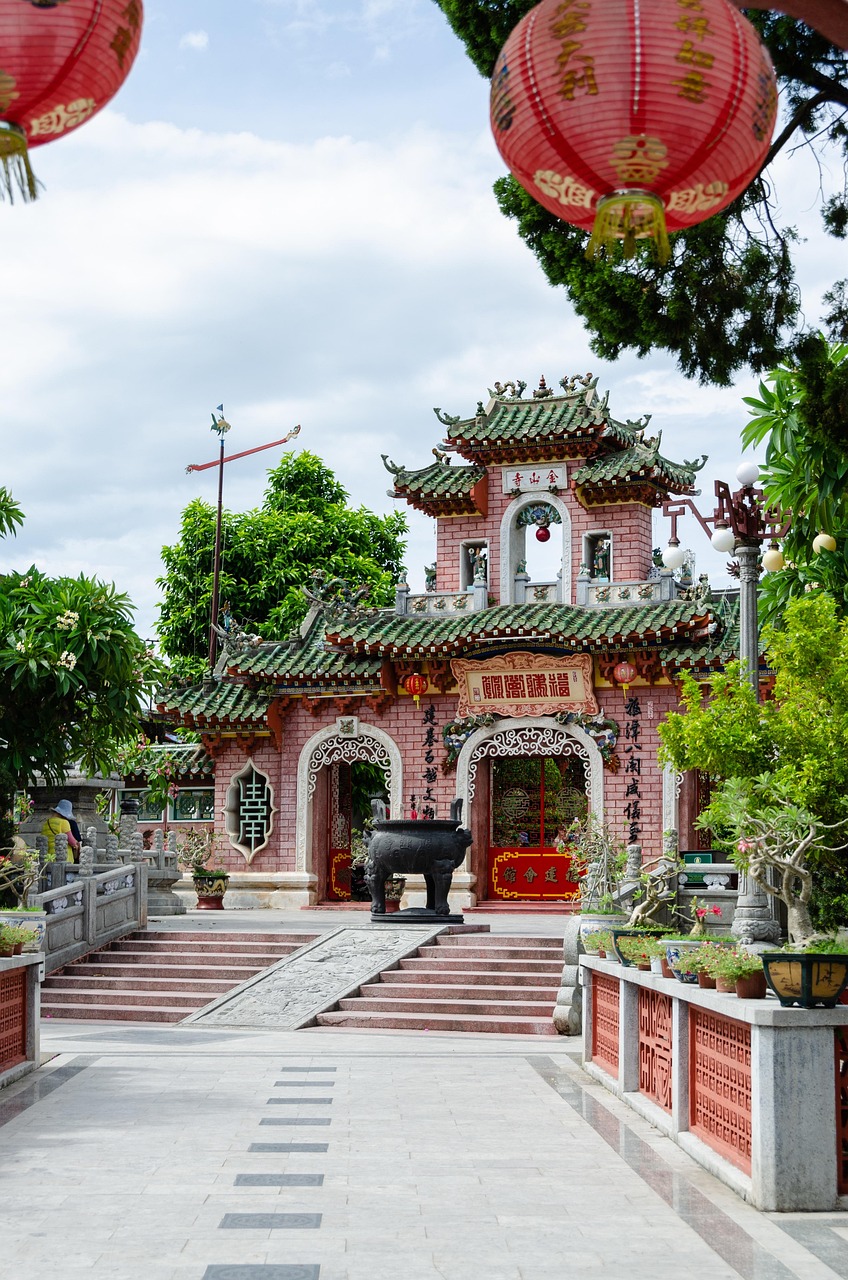
Fukien Assembly Hall
Hội Quán Phước Kiến
Hoi An's most ornate Chinese assembly hall, built in 1757 by Fujian (Fukien) merchants and dedicated to Thien Hau, goddess of the sea — famous for its vivid dragon mosaics and incense-filled courtyards.
Photos
What to know before you go
- The Fukien Assembly Hall was established in 1757 when the Fujian Chinese community in Hoi An outgrew its previous meeting space. The hall was built to serve as a social, cultural, and religious center for migrants from Fujian (Fukien) Province in southern China, who were among the most prosperous merchants in Hoi An's golden trading era.
- The main object of worship is Thien Hau, the goddess of the sea, a beloved deity among seafaring Chinese communities across Southeast Asia. Her statue in the central hall is flanked by two mythical guardians who can supposedly see and hear across thousands of miles of ocean to protect sailors.
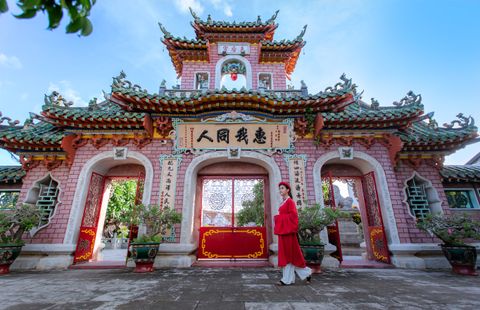
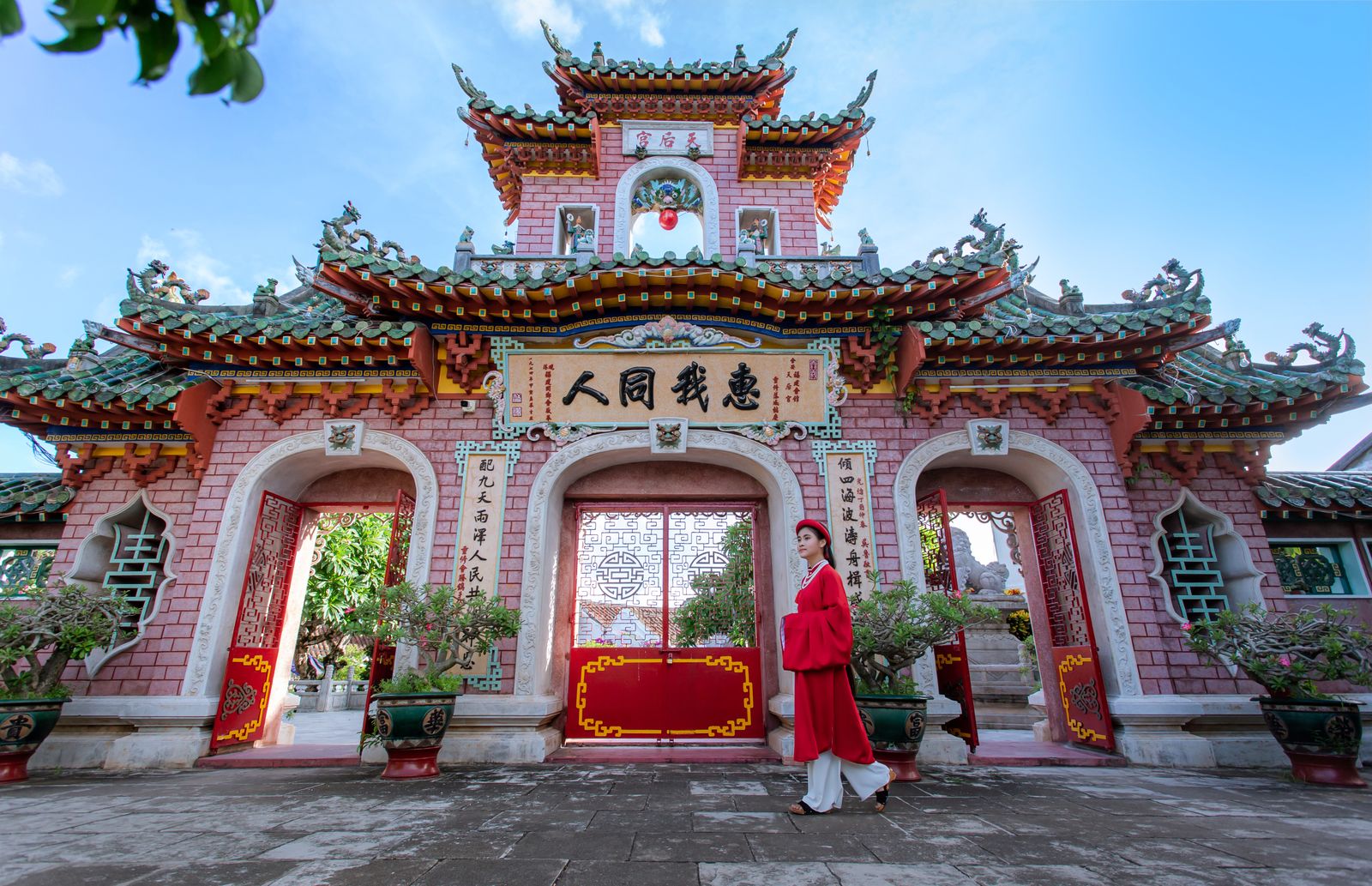
- The hall is considered the most lavishly decorated of the five major assembly halls in Hoi An. Its entrance gate features a stunning mosaic dragon crafted from broken ceramic pieces, and the courtyards are layered with altars, model ships, and ceremonial incense burners. The hall still functions as an active place of worship for local Vietnamese-Chinese families.
Events & festivals here
- 23rdThien Hau Festival
Culture, safety & access
Culture & etiquette
Do not touch statues or sacred objects. Dress conservatively (shoulders and knees covered).
Safety & health
Watch out for low-hanging incense coils hanging from the ceiling — they are lit and burning.
Weather
Mostly indoor; comfortable to visit regardless of weather.
Active Worship Site
This is an active religious site. Dress modestly and avoid walking in front of people who are praying.
Incense Smoke
The hall is filled with incense smoke, which can be strong. Visitors with respiratory sensitivities should be aware.
Photography
Photography is permitted in most areas. Avoid using flash near altars and be discreet during prayer ceremonies.
