Table of Contents28 sections
- 1Why This 14-Day Vietnam Route Works
- 2Days 1–3: Hanoi — Your First Taste of Vietnam
- 2.1Day 1: Arrive and Explore Slowly
- 2.2Day 2: Discover Hanoi Like a Local
- 2.3Day 3: A Food-Focused Hanoi Experience
- 3Days 4–5: Ha Long Bay — Experience It the Right Way
- 4Days 6–7: Ninh Binh — The Vietnam You Didn’t Expect
- 4.1Day 6
- 4.2Day 7
- 5Days 8–10: Da Nang & Hoi An — Beaches, Heritage, and Slow Travel
- 5.1Day 8: Arrive in Da Nang, Continue to Hoi An
- 5.2Day 9: Experience Hoi An Slowly
- 5.3Day 10: Da Nang Day Trip
- 6Days 11–14: Ho Chi Minh City — The Modern Side of Vietnam
- 6.1Day 11: Discover the City Center
- 6.2Day 12: Choose Between History or Local Life
- 6.2.1Option 1: Cu Chi Tunnels
- 6.2.2Option 2: Mekong Delta
- 6.3Day 13: A Flexible Day
- 6.4Day 14: Your Last Vietnamese Morning
- 7How Much Does a 14-Day Vietnam Trip Cost?
- 8Local Tips for Your First Vietnam Trip
- 8.11. Don't overpack your itinerary
- 8.22. Wake up early
- 8.33. Eat where locals eat
- 8.44. Download Grab
- 8.55. Leave room for surprises
- 9Final Thoughts: Experience Vietnam, Don't Just Visit It
Vietnam is a country that looks easy to explore on a map, but many first-time visitors underestimate the distance between destinations. The biggest mistake I see travelers make is trying to visit too many places in too little time.
They spend hours on buses, airports, and hotel check-ins instead of actually experiencing Vietnam.

After helping friends plan their trips around Vietnam, my advice is simple:

Don’t try to see everything. Experience the places that truly represent Vietnam.
This 14-day route is designed for first-time visitors who want a balance of culture, nature, food, and local experiences — without feeling rushed every day.
Want a ready-made Vietnam itinerary?
This route is a great starting point, but every traveler is different. With GoPhuot, you can customize your itinerary based on your travel style, budget, and interests, while keeping your bookings, travel documents, and plans organized in one place.
Why This 14-Day Vietnam Route Works
Vietnam stretches more than 1,600 km from north to south, so choosing the right route matters.
For a first visit, I recommend traveling from North to South:
Hanoi → Ha Long Bay → Ninh Binh → Da Nang & Hoi An → Ho Chi Minh City
Why this route?
Because every destination feels different.
Hanoi shows you Vietnam’s history and traditional culture.
Ha Long Bay introduces you to the country’s iconic landscapes.
Ninh Binh lets you experience peaceful countryside life.
Central Vietnam combines beaches, heritage, and local food.
Ho Chi Minh City shows the modern, energetic side of Vietnam.
You get the full picture without spending half your holiday moving between places.
Days 1–3: Hanoi — Your First Taste of Vietnam
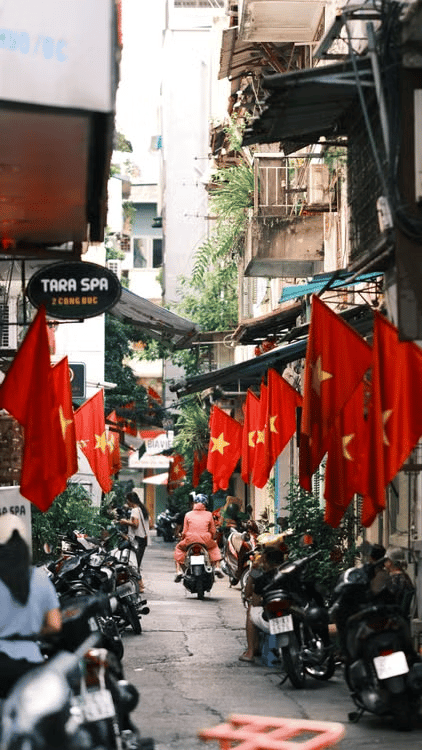
Your first impression of Vietnam will probably be Hanoi — and it can feel overwhelming at first.
The traffic looks chaotic, the streets are crowded, and crossing the road seems impossible.
But give it a day.
Hanoi is not a city you visit quickly. It is a city you slowly discover.

Day 1: Arrive and Explore Slowly
After a long flight, don't plan too much.
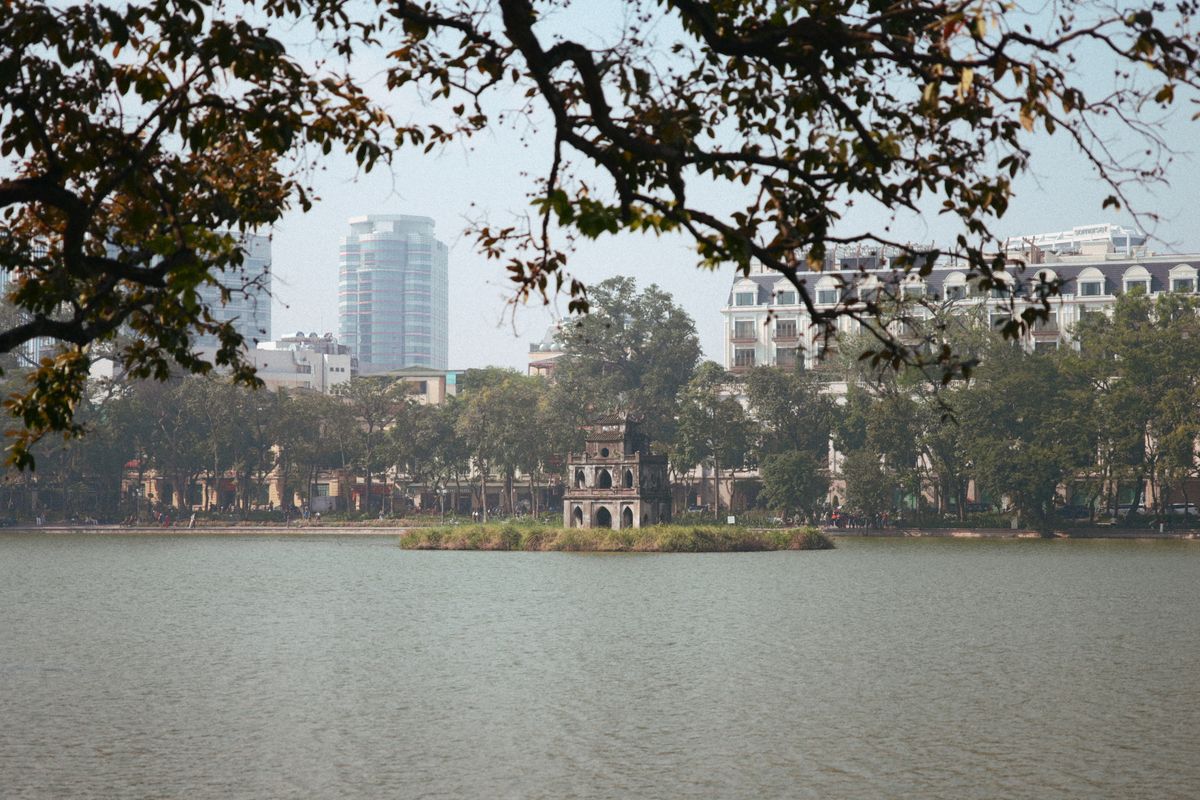
Start your morning at Hoan Kiem Lake, where locals exercise, walk, and drink coffee before starting their day.
Find a small café nearby and try your first Vietnamese egg coffee. It sounds unusual, but the creamy texture and strong coffee combination surprises many visitors.
In the afternoon, walk through the Old Quarter.
Don't just follow Google Maps from one attraction to another. The best moments in Hanoi often happen when you get slightly lost:
A street selling only handmade toys.
A tiny temple hidden between buildings.
A family making noodles outside their house.
A local café on the second floor of an old apartment.
For dinner, skip restaurants designed only for tourists.
Try local dishes such as:
Bún Chả – grilled pork with noodles and herbs.
Phở – Vietnam’s most famous noodle soup.
Bánh Mì – a quick but delicious street sandwich.
Local tip: If a small restaurant is full of Vietnamese customers, it is usually a good sign.
Day 2: Discover Hanoi Like a Local
Start early.
Vietnamese cities are most beautiful in the morning before the streets become too busy.
Visit:
Temple of Literature
Ho Chi Minh Mausoleum area
Hanoi’s old French-style streets
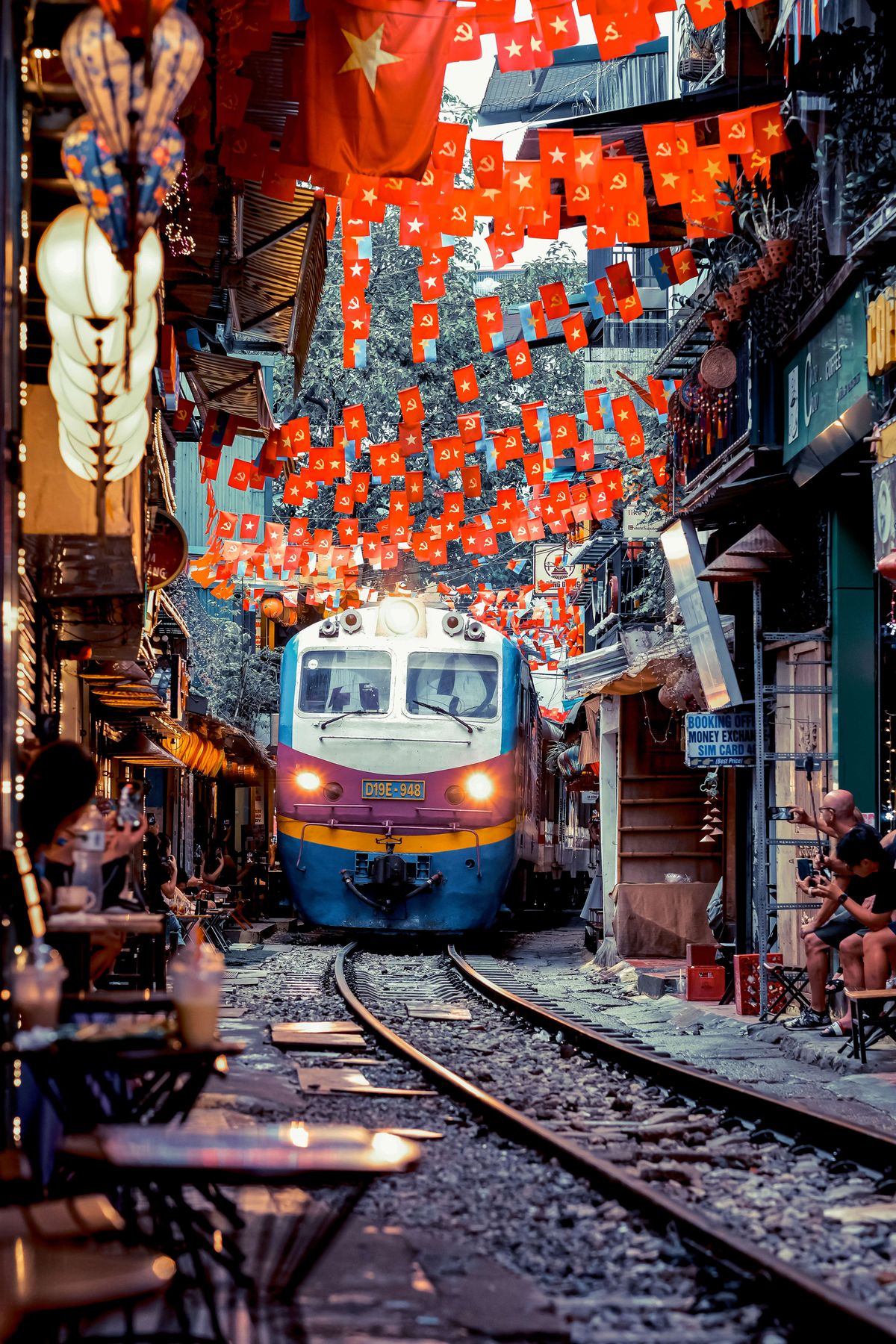
In the afternoon, visit Train Street if the train schedule matches your timing.
Many travelers expect a huge attraction, but the real charm is the atmosphere — sitting in a tiny café, hearing the train approach, and watching locals quickly move their chairs before it passes.
In the evening, walk around Hoan Kiem Lake again.
After sunset, the area transforms. Families gather, street performers appear, and the city feels much more relaxed.
Day 3: A Food-Focused Hanoi Experience
Before leaving Hanoi, spend your last morning eating.
Join a street food tour or create your own food walk.
Some things worth trying:
Bún Thang
Vietnamese iced coffee
Fresh spring rolls
Local desserts
Don't worry about checking off every attraction.
Hanoi is memorable because of small moments, not because of a list of places.
Planning tip: Save your Hanoi restaurants, cafés, and places you want to visit in GoPhuot before arriving. It makes exploring a new city much easier when everything is organized in one place.
Days 4–5: Ha Long Bay — Experience It the Right Way
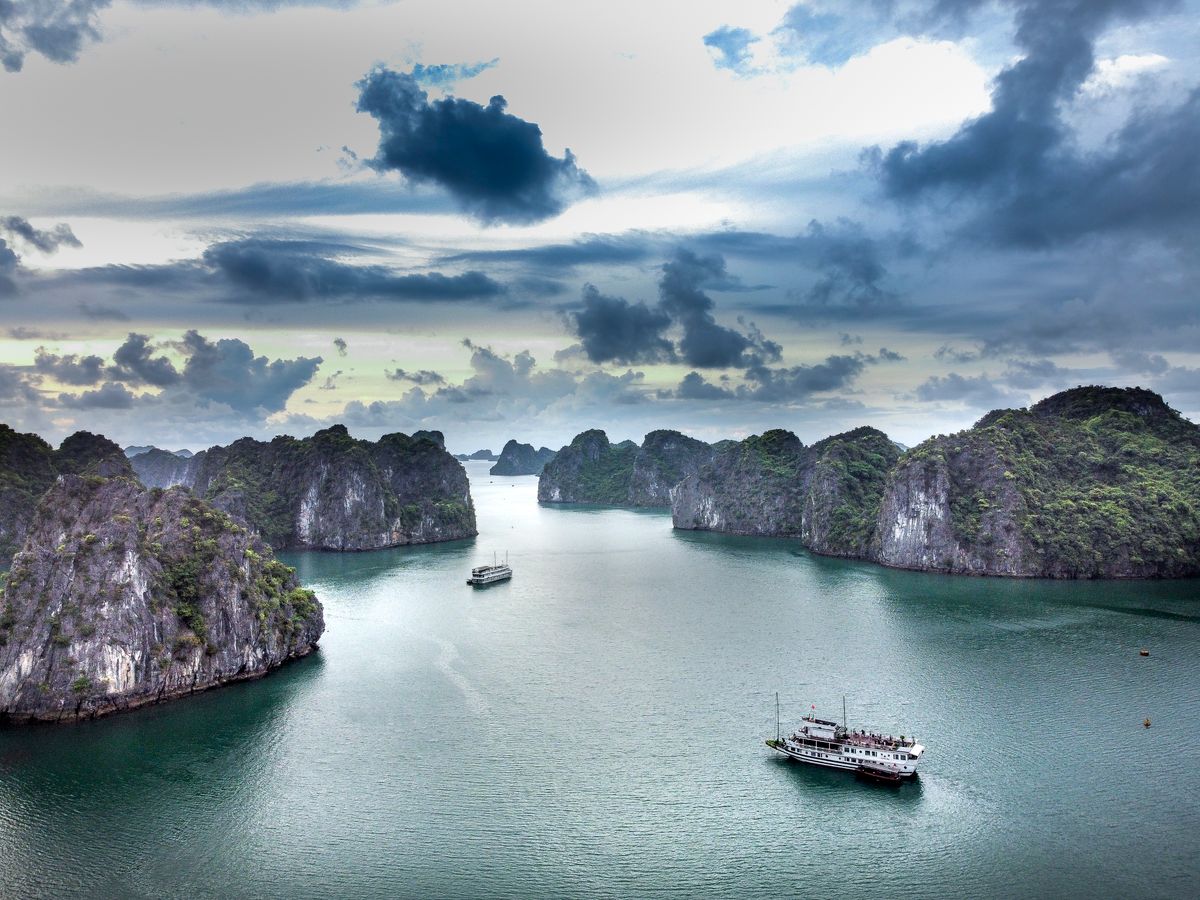
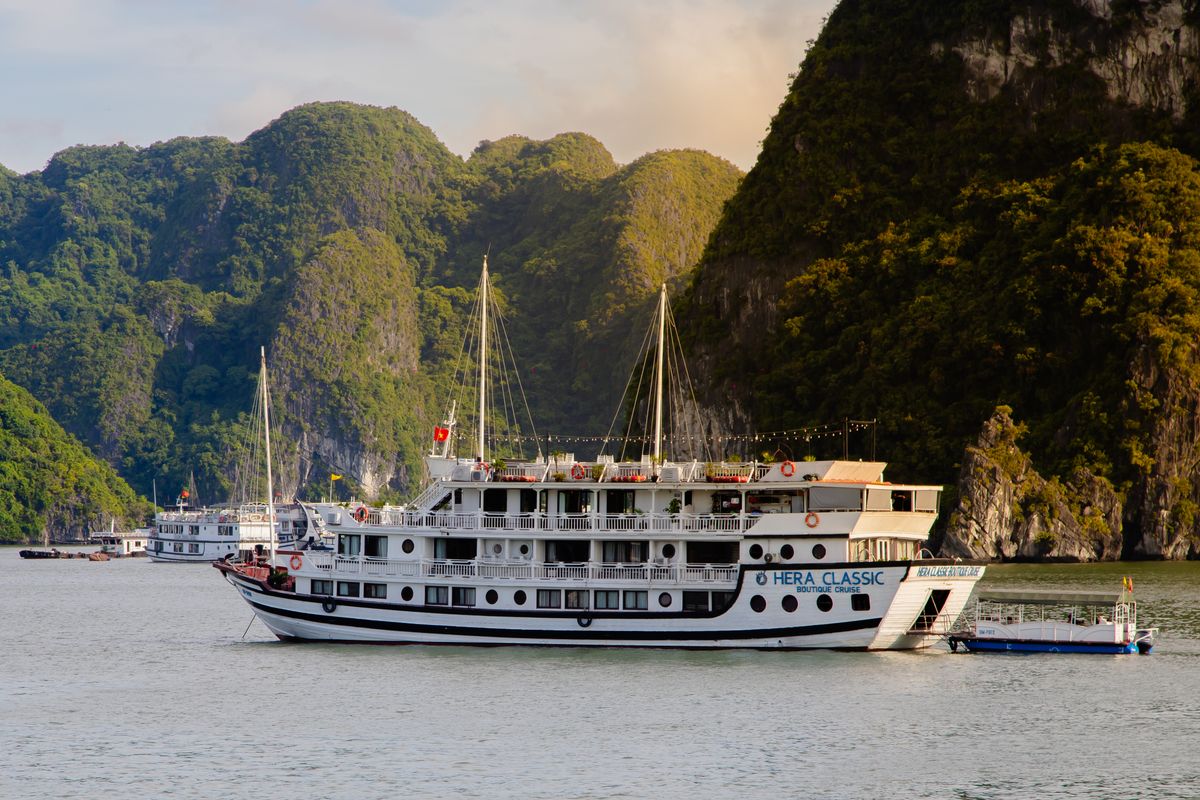

Almost every first-time visitor asks:
"Is Ha Long Bay really worth visiting?"
My answer:
Yes — but only if you do it properly.
Many travelers book a day tour because it seems cheaper. However, most of the day is spent sitting on a bus, and you only get a short time on the water.
A 2-day, 1-night cruise is a much better experience.
You will have time to:
Watch sunrise over limestone islands.
Kayak through quiet areas.
Explore caves.
Enjoy dinner on the boat.
Experience the bay after most day tourists leave.
If you prefer somewhere quieter, consider Lan Ha Bay. The scenery is similar, but the atmosphere is usually more peaceful.
You don't need the most expensive cruise. A good mid-range option already gives you the experience most travelers are looking for.
Local tip: Bring a light jacket during winter months. The bay can feel much cooler than Hanoi.
Days 6–7: Ninh Binh — The Vietnam You Didn’t Expect
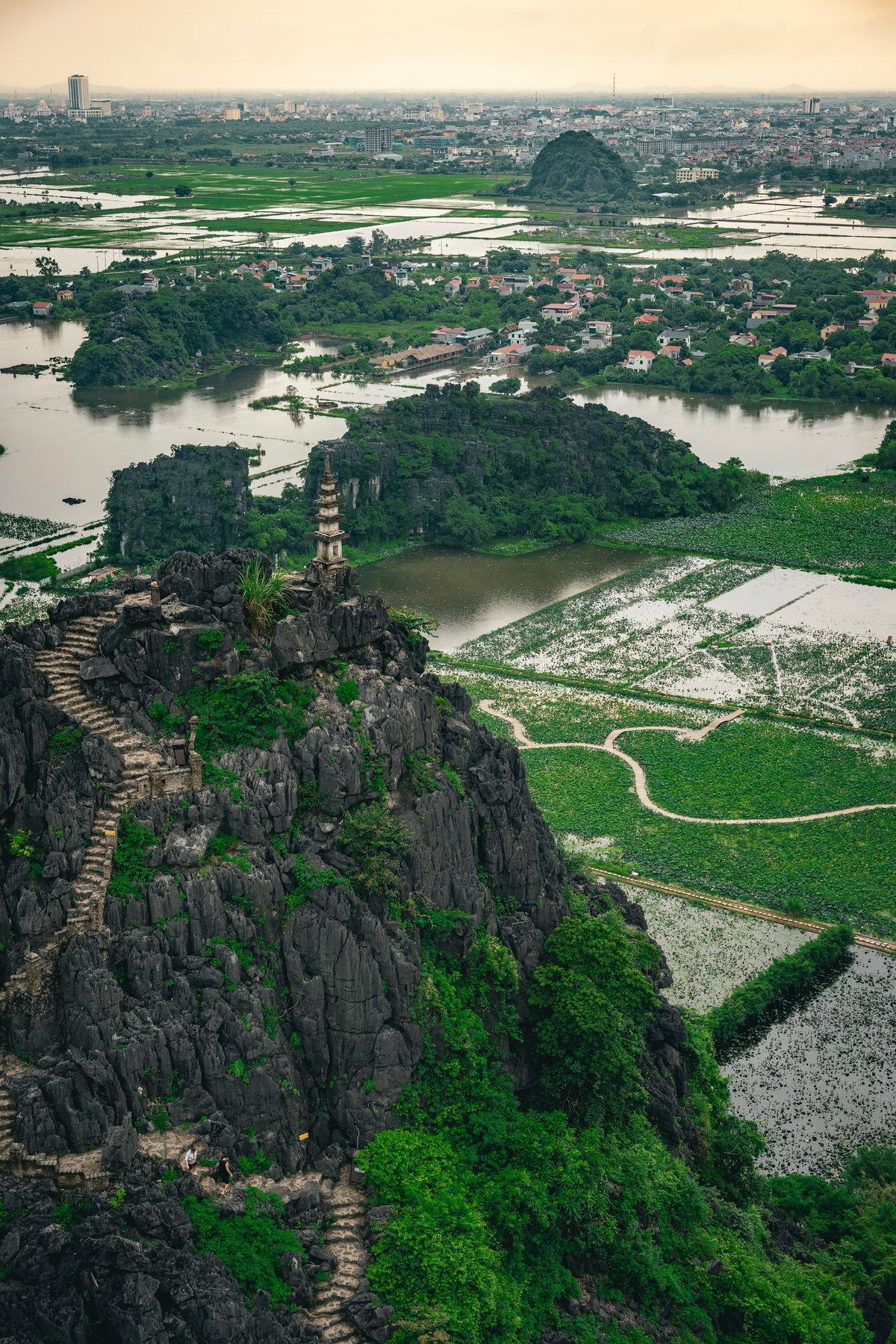
If there is one place that makes visitors say:
"I wish I stayed longer,"
it is usually Ninh Binh.
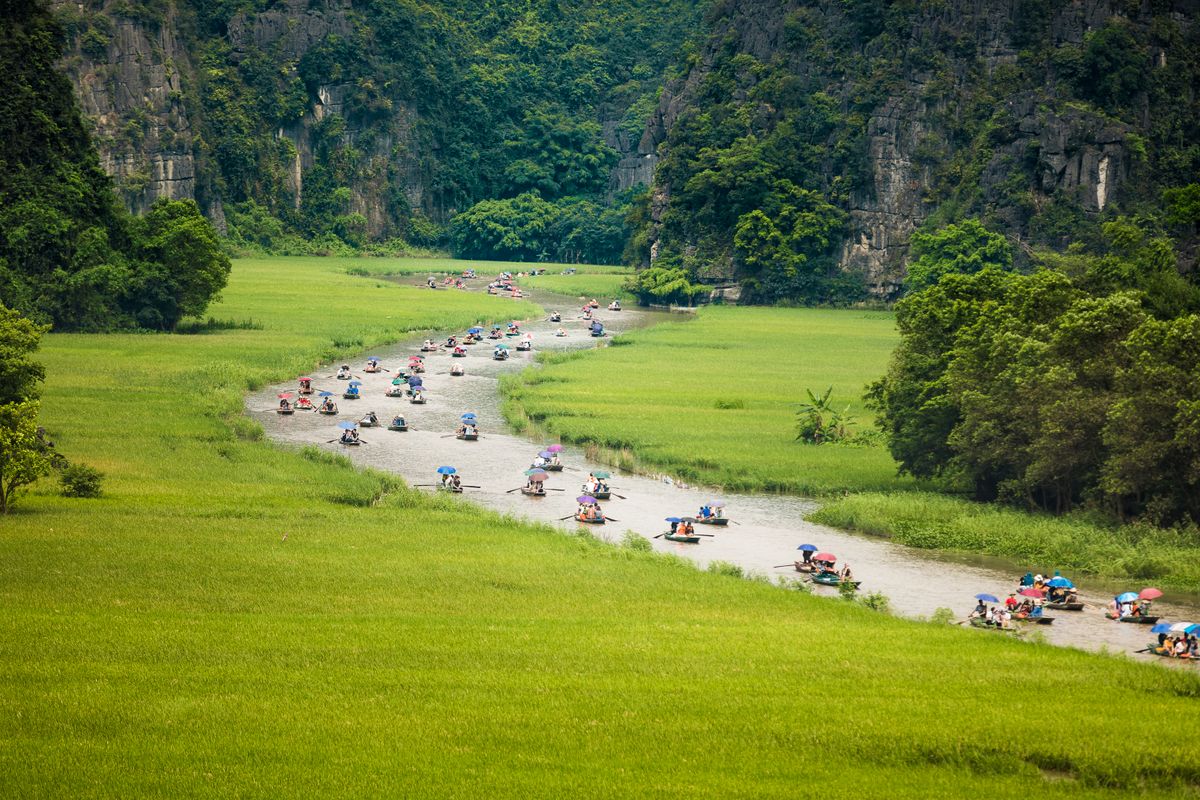
Only a few hours from Hanoi, Ninh Binh feels like another world.
Instead of traffic and tall buildings, you get:
Rice fields.
Limestone mountains.
Quiet villages.
Rivers winding through caves.
Stay around Tam Coc instead of the city center. The area is more peaceful and much easier to explore.
Day 6
Take the Trang An boat ride in the morning.
Go early if possible. The river is calmer, the light is better, and you avoid the largest crowds.
In the afternoon, rent a bicycle and explore the countryside.
There is no need for a strict schedule here.
Some of the best experiences come from simply cycling through small roads and stopping whenever something catches your attention.
Day 7
Wake up early and climb Mua Cave.
The stairs are challenging, but the view from the top is one of the most impressive landscapes in Vietnam.
Later, enjoy a slow lunch before continuing your journey south.
Local tip: Don't treat Ninh Binh as a quick day trip. One night is possible, but two nights lets you experience the peaceful side of the region.
Days 8–10: Da Nang & Hoi An — Beaches, Heritage, and Slow Travel
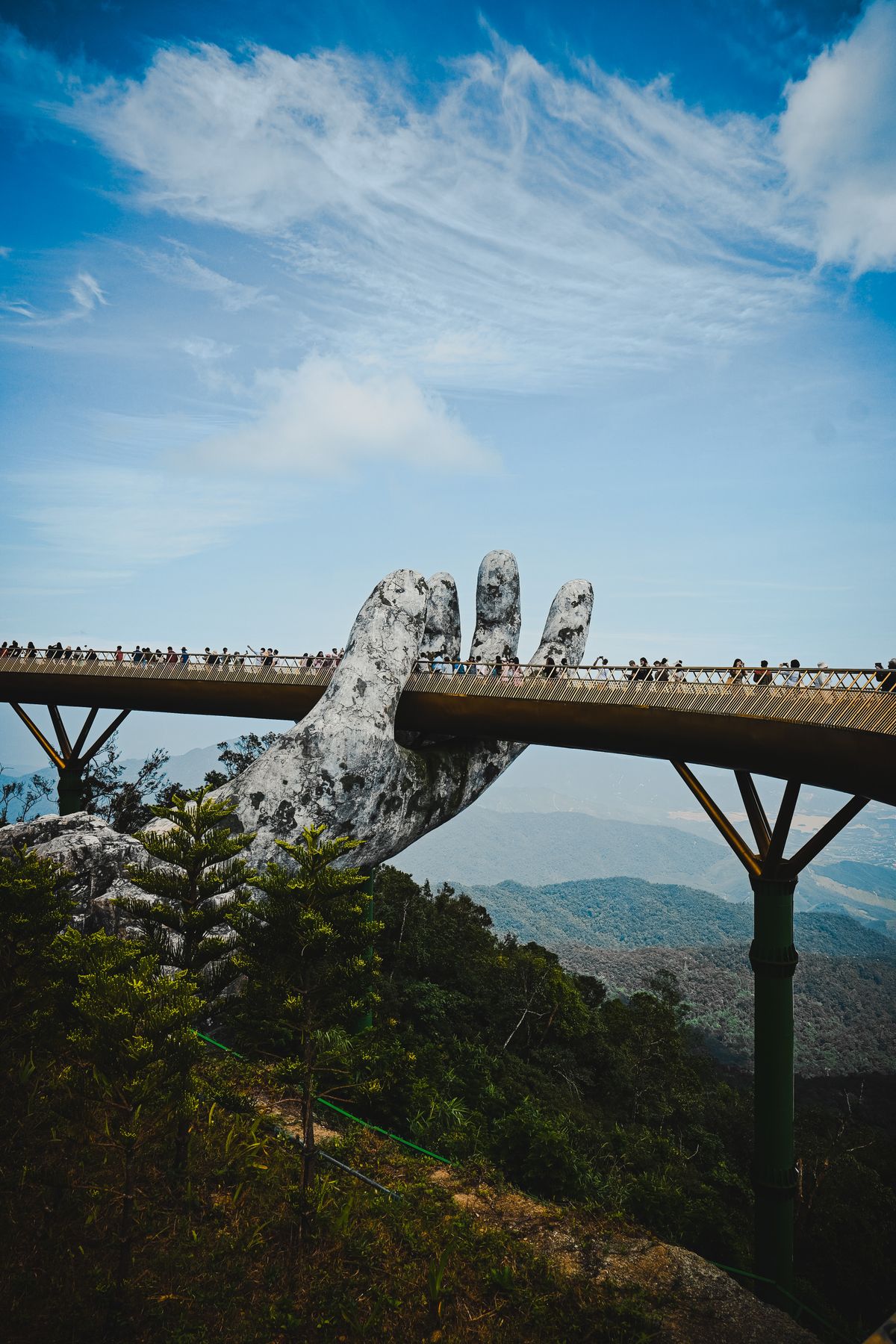

After exploring northern Vietnam, head to Central Vietnam — where the pace slows down, the food gets even better, and the scenery changes completely.
Many travelers ask:
"Should I stay in Da Nang or Hoi An?"
My recommendation:
Stay in Hoi An and explore Da Nang as a day trip.
The two places are only around 40–45 minutes apart, so there is no need to waste time packing and changing hotels.
Da Nang is modern, convenient, and has beautiful beaches. But Hoi An has something unique — an atmosphere you cannot find anywhere else in Vietnam.
Day 8: Arrive in Da Nang, Continue to Hoi An
Fly from Hanoi to Da Nang in the morning.
Before heading to Hoi An, spend some time exploring Da Nang.
Start with My Khe Beach, one of Vietnam’s most famous beaches. Even if you don't plan to swim, walking along the coastline and enjoying fresh seafood nearby is a great introduction to Central Vietnam.
If you have enough time, visit:
Marble Mountains for panoramic views.
Son Tra Peninsula for coastal scenery.
Linh Ung Pagoda and its famous Lady Buddha statue.
In the late afternoon, continue to Hoi An.
This is the perfect time to arrive.
As the sun sets, the yellow walls of the Ancient Town start glowing, lanterns slowly light up, and the streets become much more magical.
Don't rush.
Walk along the river, try local snacks, and simply enjoy the atmosphere.
Day 9: Experience Hoi An Slowly
Hoi An is not a place you should complete with a checklist.
The charm comes from slowing down.
Wake up early before the tour groups arrive.
Walk through the Ancient Town while locals open their shops and bicycles pass quietly through the streets.
During the day, explore:
Japanese Covered Bridge.
Old merchant houses.
Local markets.
Riverside cafés.
For lunch, try local specialties:
Cao Lầu — thick noodles found only in Hoi An.
White Rose Dumplings.
Bánh Mì Hội An.
In the afternoon, escape the heat at An Bang Beach.
Many visitors spend the entire day walking around the Ancient Town, but locals know that Hoi An is best enjoyed with a slower rhythm:
Morning — explore.
Afternoon — relax.
Evening — enjoy the lanterns.
Day 10: Da Nang Day Trip
On your final day in Central Vietnam, return to Da Nang.
Spend the morning exploring places you missed:
Son Tra Peninsula.
Marble Mountains.
Local coffee shops.
If your visit falls on Friday, Saturday, or Sunday evening, stay until night for the Dragon Bridge fire and water show.
Yes, it is popular with tourists.
But sometimes tourist experiences are popular because they are genuinely fun.
Before leaving Central Vietnam, enjoy one final seafood dinner by the beach.
GoPhuot tip: Central Vietnam has many small cafés, restaurants, and hidden viewpoints that are easy to miss. Save your favorites in GoPhuot before arriving so you can build your own flexible day plan.
Days 11–14: Ho Chi Minh City — The Modern Side of Vietnam
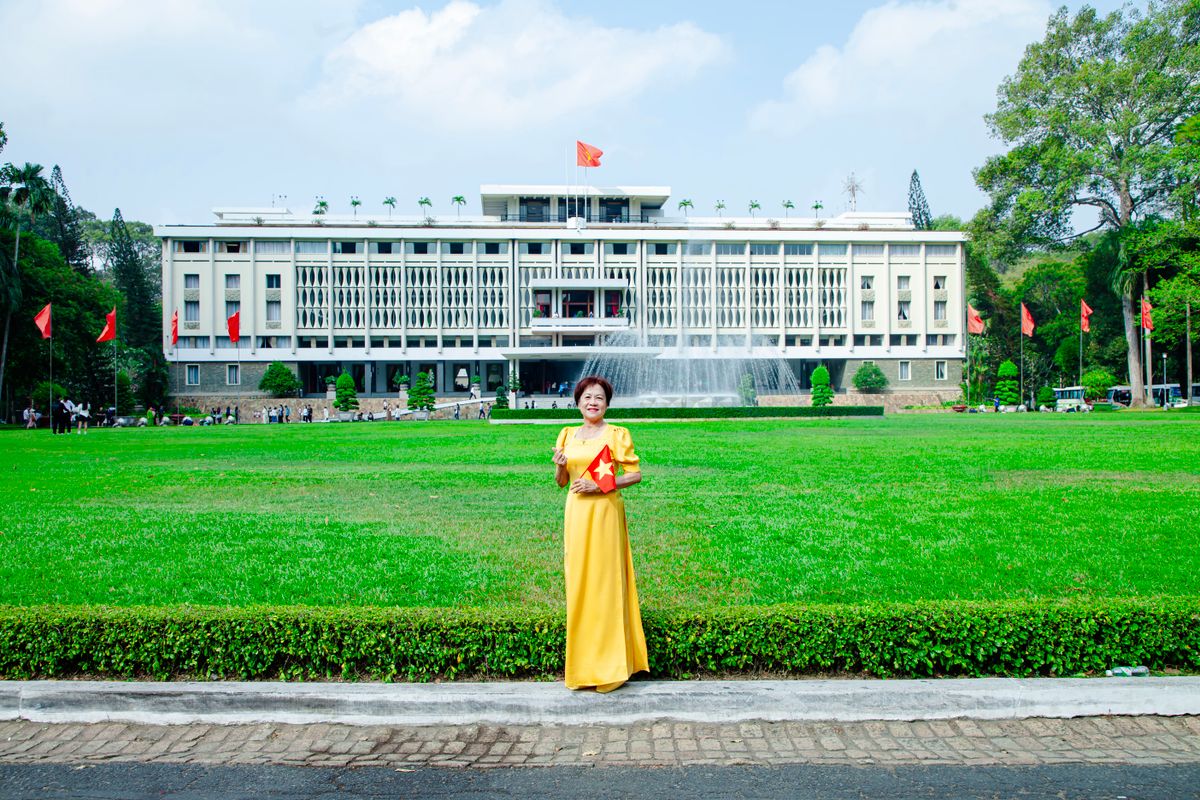
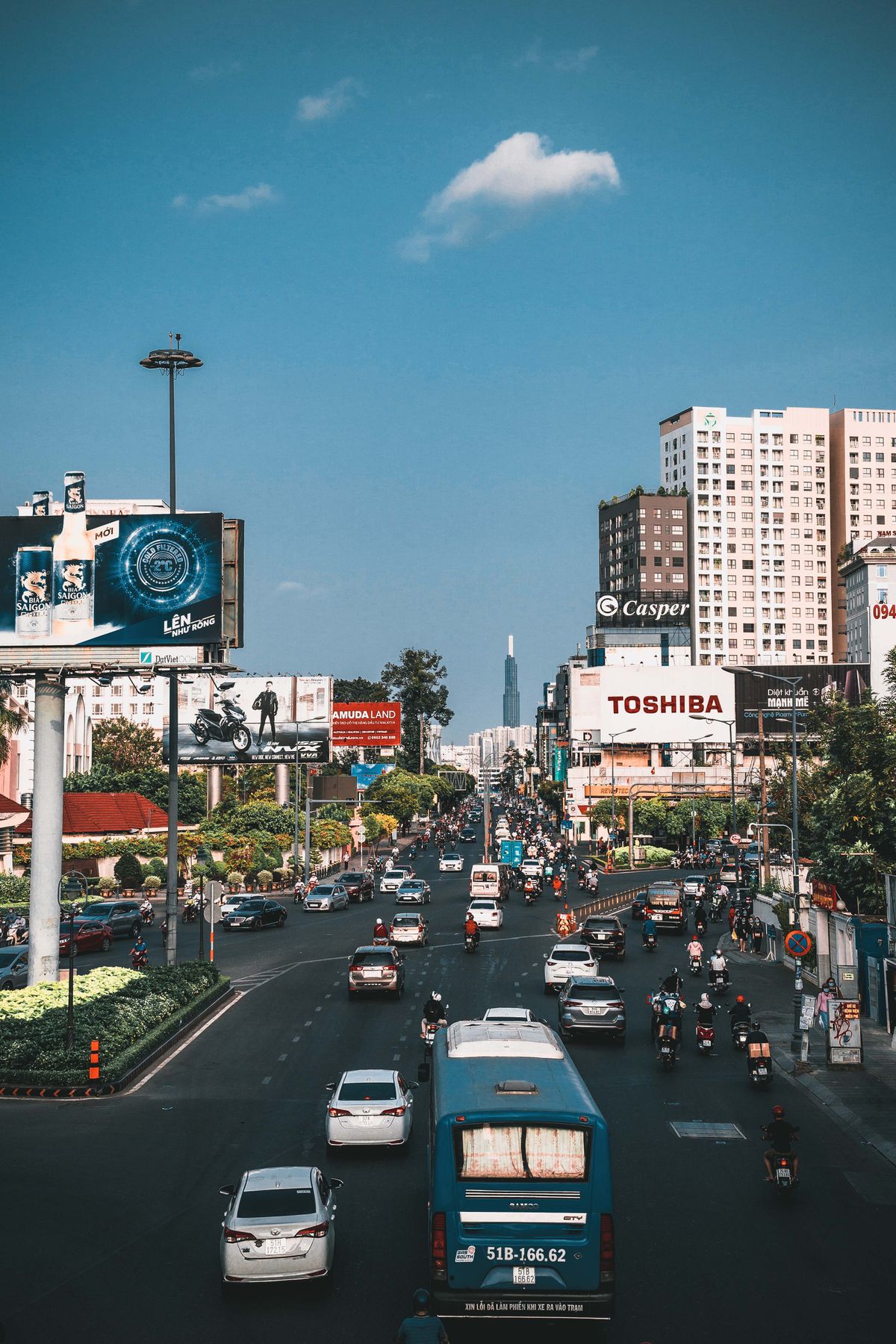
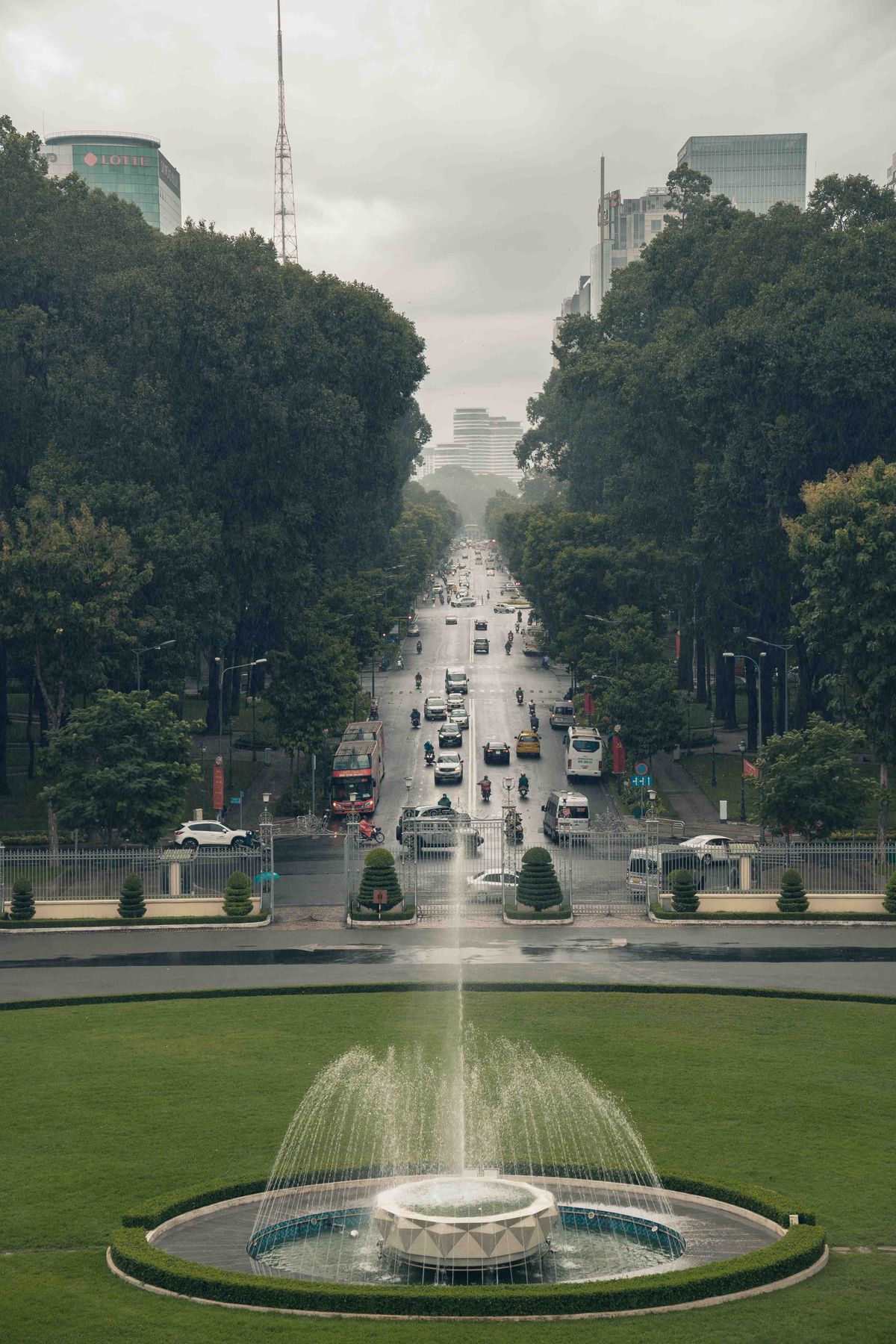
Your final stop is Ho Chi Minh City — Vietnam’s largest and most energetic city.
Compared with Hanoi, everything feels faster.
The streets are busier.
The cafés stay open later.
The city has a different kind of energy.
Some travelers love it immediately. Others need a day to adjust.
Give it time.
Day 11: Discover the City Center
Start your day walking through District 1.
A good route:
Central Post Office → Notre-Dame Cathedral area → Book Street → Nguyen Hue Walking Street
This area gives you a mix of Vietnam’s colonial history and modern lifestyle.
In the afternoon, escape the heat in one of the city's many cafés.
Ho Chi Minh City has one of the strongest coffee cultures in Vietnam.
Try:
Vietnamese iced coffee.
Coconut coffee.
Salt coffee.
At sunset, visit a rooftop bar.
Watching the city lights turn on from above is one of the best ways to experience Saigon.
Day 12: Choose Between History or Local Life
For your next day, choose the experience that matches your interests.
Option 1: Cu Chi Tunnels
Best for travelers interested in history.
You will learn about the underground tunnel system used during the war and understand an important part of Vietnam’s past.
Option 2: Mekong Delta
Best for travelers who want a slower experience.
You’ll see:
River communities.
Fruit gardens.
Local markets.
Traditional villages.
Personally, I prefer the Mekong Delta for first-time visitors who already explored several cities.
It shows a completely different side of Vietnam.
Day 13: A Flexible Day
Keep your final full day open.
Some ideas:
Shopping for souvenirs.
Exploring local cafés.
Visiting museums.
Taking a food tour.
Don't underestimate simple experiences.
Day 14: Your Last Vietnamese Morning
Before your flight, don't rush.
Have one last Vietnamese breakfast.
Maybe:
A bowl of phở.
A bánh mì.
A strong iced coffee.
Many travelers leave Vietnam thinking about the places they visited.
But what they often miss later are the small moments:
The street food.
The conversations.
The random cafés.
The feeling of sitting among locals and watching daily life happen.
How Much Does a 14-Day Vietnam Trip Cost?
Vietnam is still one of the best-value destinations in Southeast Asia.
A realistic budget:
Travel Style | Estimated Cost (14 Days) |
Backpacker | US$700–900 |
Comfortable Mid-range | US$1,100–1,500 |
Premium Experience | US$1,700–2,500+ |
Your biggest costs will usually be:
Accommodation.
Domestic flights.
Tours (Ha Long Bay cruise, Mekong Delta, etc.).
Food and local transportation remain very affordable.
A delicious local meal can often cost only a few dollars.
Plan smarter with GoPhuot: Instead of calculating everything manually, organize destinations, activities, bookings, and estimated costs in one place before your trip begins.
One of my favorite memories in Ho Chi Minh City is not a famous attraction — it is sitting at a street café, watching the endless flow of scooters while drinking coffee.
Local Tips for Your First Vietnam Trip
1. Don't overpack your itinerary
Vietnam is not difficult to travel, but moving around takes more time than expected.
A relaxed trip is always better than checking 20 destinations.
2. Wake up early
The best moments often happen before 8 a.m.:
Hanoi streets are quieter.
Ninh Binh has better light.
Hoi An is peaceful before crowds arrive.
3. Eat where locals eat
Don't choose restaurants only because they have beautiful photos online.
Look for:
Busy local restaurants.
Small family shops.
Places with limited menus.
Usually, they specialize in one thing — and they do it well.
4. Download Grab
Grab works in most major cities and is the easiest way to avoid transportation confusion.
5. Leave room for surprises
Some of your favorite Vietnam memories won't come from your itinerary.
They might come from:
A conversation with a café owner.
A roadside meal.
A small village you pass on the way.
That is the beauty of traveling in Vietnam.
Final Thoughts: Experience Vietnam, Don't Just Visit It
A two-week trip is not enough to see every corner of Vietnam.
But it is enough to understand why so many travelers return.
From Hanoi’s ancient streets to Ninh Binh’s peaceful countryside, Hoi An’s lantern-lit evenings, and Ho Chi Minh City’s endless energy, this route gives you a balanced first experience of Vietnam.
The goal is not to collect destinations.
The goal is to create memories.
And when you are ready to plan your own Vietnam adventure, GoPhuot helps you turn inspiration into a real itinerary — customized to your interests, organized in one place, and ready to follow. You can also open Ready-made "2-week in Vietnam" Itinerary in the App or click the link
Spend less time planning. Spend more time experiencing Vietnam.