Table of Contents15 sections
- .1Is Dengue Fever Common in Vietnam?
- .2When Is Dengue Season in Vietnam?
- .3Which Areas Have a Higher Risk?
- .4Should You Cancel Your Trip Because of Dengue?
- .5How to Reduce Your Risk
- .6Do Travelers Need a Dengue Vaccine?
- .7Symptoms to Watch For
- .8What Should You Do If You Think You Have Dengue?
- .9Final Thoughts
- 1Frequently Asked Questions
- 1..1Can I get dengue in Hanoi?
- 1..2Do dengue mosquitoes only bite at night?
- 1..3Should I bring insect repellent to Vietnam?
- 1..4Does air conditioning help keep mosquitoes away?
- 1..5Can I catch dengue directly from another person?
If you're planning a trip to Vietnam, you've probably come across articles or social media posts about dengue fever. It's one of the most common health concerns travelers search for before visiting the country.
The good news is that millions of people travel to Vietnam safely every year. With a little preparation and a few simple precautions, you can significantly reduce your risk and enjoy your trip with confidence.
Is Dengue Fever Common in Vietnam?
Yes.
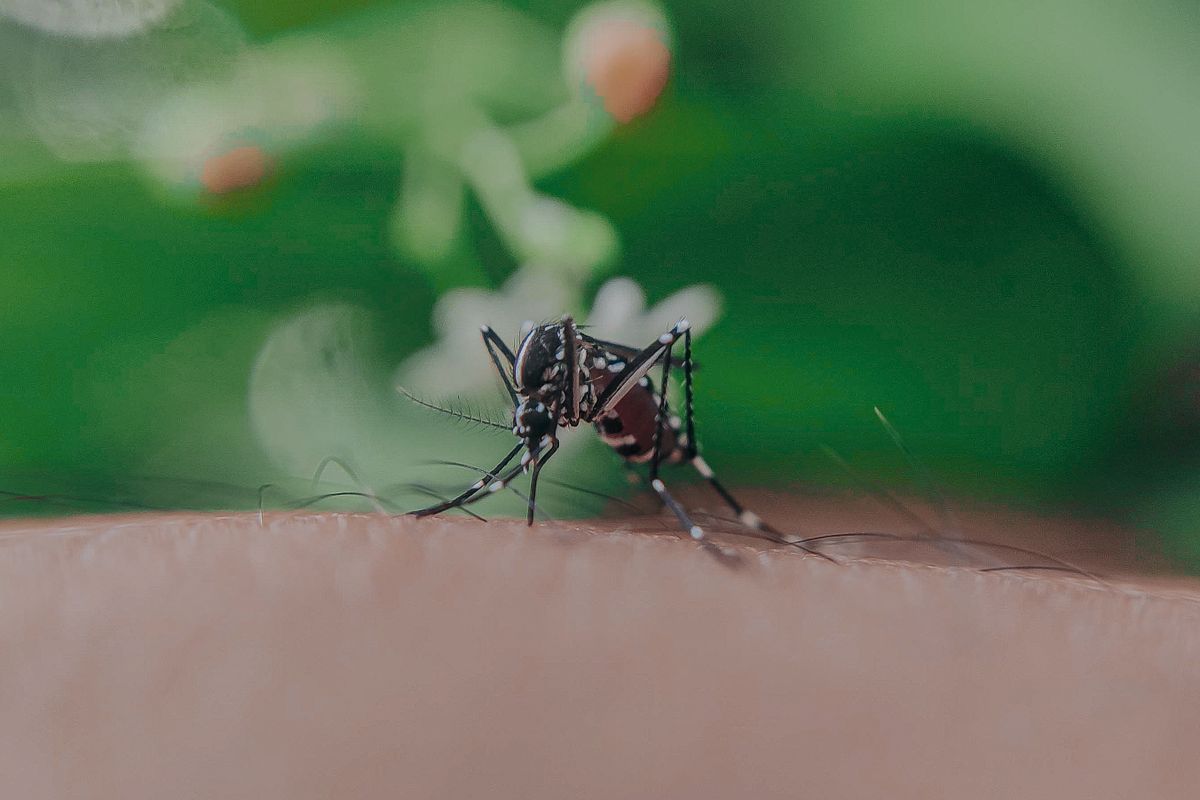
Dengue fever is a mosquito-borne viral illness found in many tropical countries, including Vietnam. Cases are reported every year, with numbers typically increasing during the rainy season when mosquitoes breed more easily.
The most reliable protection is not getting bitten in the first place — see how to avoid mosquito bites in Vietnam
However, this doesn't mean every traveler is at high risk. Most visitors stay for a short period, sleep in hotels or resorts with good mosquito control, and never experience any health issues.
Rather than worrying, it's more helpful to understand when and where the risk is higher so you can take sensible precautions.
When Is Dengue Season in Vietnam?
Dengue can occur year-round, but the risk is generally higher during the rainy season. The timing varies across different regions of Vietnam.
Region | Higher Risk | |
|---|---|---|
Northern | Hanoi | Jun - Oct |
Central | Hoi An, Hue | Sep - Dec |
Southern | Ho Chi Minh City, Mekong Delta | May - No |
If you're visiting during the dry season, the risk is generally lower, although mosquitoes can still be present.
Which Areas Have a Higher Risk?
Mosquitoes that carry dengue can be found in both cities and rural areas, but the risk tends to be higher in places with:
Standing water
Dense vegetation
Rural or suburban areas
The Mekong Delta
Areas experiencing seasonal outbreaks
If you're mainly sightseeing in major cities, staying in hotels, and following a typical tourist itinerary, your overall risk is generally considered low.
Should You Cancel Your Trip Because of Dengue?
In most cases, no.
Dengue fever is something travelers should be aware of, but it's not a reason to avoid visiting Vietnam.
The vast majority of tourists never contract dengue during their trip. Just like traveling to Thailand, Malaysia, Indonesia, or other destinations in Southeast Asia, knowing how to protect yourself from mosquito bites is usually enough.
How to Reduce Your Risk
Fortunately, preventing mosquito bites is straightforward.
Here are a few simple steps:

Pack an insect repellent containing DEET or Picaridin.
Reapply repellent according to the product instructions.
Wear long sleeves and long pants when hiking or spending extended time outdoors, especially in the early morning and late afternoon.
Choose accommodation with air conditioning or window screens whenever possible.
Keep doors and windows closed if mosquitoes are present.
If you're staying in homestays or remote areas, consider using a mosquito net while sleeping.
A good insect repellent is just as essential for Vietnam as sunscreen.
Do Travelers Need a Dengue Vaccine?
Dengue vaccines are available in some countries, but they are not routinely recommended for most short-term travelers simply because they're visiting Vietnam.
If you're planning to stay for several months, work outdoors, or have specific health concerns, it's best to consult a travel medicine clinic or your healthcare provider before your trip.
Symptoms to Watch For
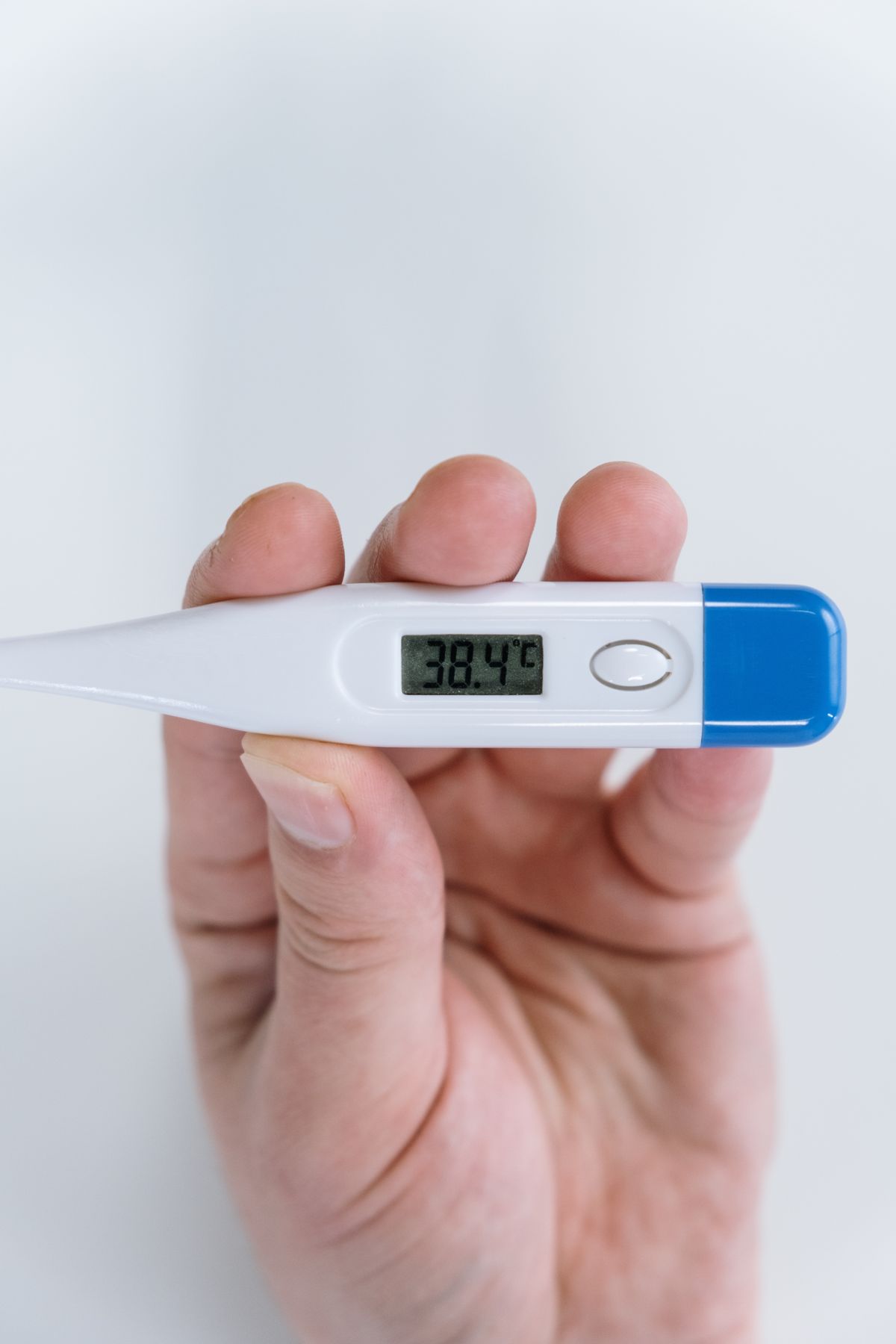
If you develop any of the following symptoms during or shortly after your trip, seek medical attention as soon as possible:
Sudden high fever
Severe headache
Pain behind the eyes
Muscle and joint pain
Skin rash
Nausea or vomiting
Early diagnosis can help doctors monitor your condition and provide appropriate care.
What Should You Do If You Think You Have Dengue?
If you develop a fever while traveling in Vietnam:
Drink plenty of fluids to stay hydrated.
Get plenty of rest.
Visit a hospital or clinic for a proper diagnosis.
Avoid taking aspirin or ibuprofen until dengue has been ruled out, as these medications may increase the risk of bleeding in people with dengue.
If your symptoms become severe, seek emergency medical care immediately.
Final Thoughts
Dengue fever is a real health risk in Vietnam, but it's also one that can be managed with simple preventive measures.
Packing insect repellent, choosing suitable accommodation, and knowing when to seek medical attention can greatly reduce your risk.
Vietnam remains one of Asia's most rewarding destinations, offering breathtaking landscapes, incredible food, rich culture, and warm hospitality. Don't let concerns about mosquitoes stop you from experiencing everything the country has to offer.
Frequently Asked Questions
Can I get dengue in Hanoi?
Yes, especially during the rainy season. However, the overall risk for short-term tourists who take basic precautions is relatively low.
Do dengue mosquitoes only bite at night?
No. The mosquitoes that spread dengue are most active during the daytime, particularly in the early morning and late afternoon.
Should I bring insect repellent to Vietnam?
Absolutely. Insect repellent is one of the most useful items you can pack for any trip to Southeast Asia.
Does air conditioning help keep mosquitoes away?
Yes. Air-conditioned rooms with closed windows generally have far fewer mosquitoes than naturally ventilated rooms.
Can I catch dengue directly from another person?
No. Dengue is not spread through normal person-to-person contact. It is transmitted through the bite of an infected mosquito.