Table of Contents17 sections
- 1Is The Ha Giang Loop Worth It?
- 2Best Time to Visit The Ha Giang Loop
- 3How Many Days Do You Need for the Ha Giang Loop?
- 4Suggested Ha Giang Loop Itinerary (4 Days)
- 4.1Day 0: Travel to Ha Giang
- 4.2Day 1: Ha Giang City → Quan Ba → Yen Minh
- 4.3Day 2: Yen Minh → Dong Van
- 4.4Day 3: Dong Van → Ma Pi Leng Pass → Meo Vac → Du Gia
- 4.5Day 4: Du Gia → Ha Giang City
- 4.64-Day Ha Giang Loop Route Overview
- 5Ha Giang Loop Cost: How Much Should You Budget?
- 5.1A Typical Budget for 4 Days
- 6Easy Rider vs Self-Ride: Which Option Is Better?
- 7Ha Giang Loop Safety Tips & Common Mistakes
- 7.1Safety Tips
- 7.2Common Mistakes First-Time Travelers Make
- 8Plan Your Ha Giang Loop with GoPhuot
Planning the Ha Giang Loop for the first time can feel overwhelming. With so many routes, tour options, and conflicting advice online, it's not always easy to know what actually works.
This guide brings together the practical information travelers need before setting off—from choosing the right itinerary and estimating your budget to deciding between an Easy Rider tour or self-riding. You'll also find local tips on when to visit, what to pack, and how to stay safe on one of Vietnam's most spectacular road trips.
GoPhuot Local Insight: Most first-time visitors enjoy the Ha Giang Loop most when they slow down. Instead of trying to cover every stop, plan around the journey itself—the mountain roads, small villages, and unexpected viewpoints are often what people remember long after the trip ends.
Quick Facts: Ha Giang Loop at a Glance
Category | Details |
|---|---|
Location | Ha Giang Province, Northern Vietnam (near the China border) |
Route Distance | Around 350 km |
Recommended Duration | 4 days |
Starting Point | Ha Giang City |
Best Time to Visit | March–May & September–November |
Average Budget | Around USD 150–220 per person |
Transport Options | Self-Ride Motorbike or Easy Rider |
Difficulty Level | Moderate mountain roads |
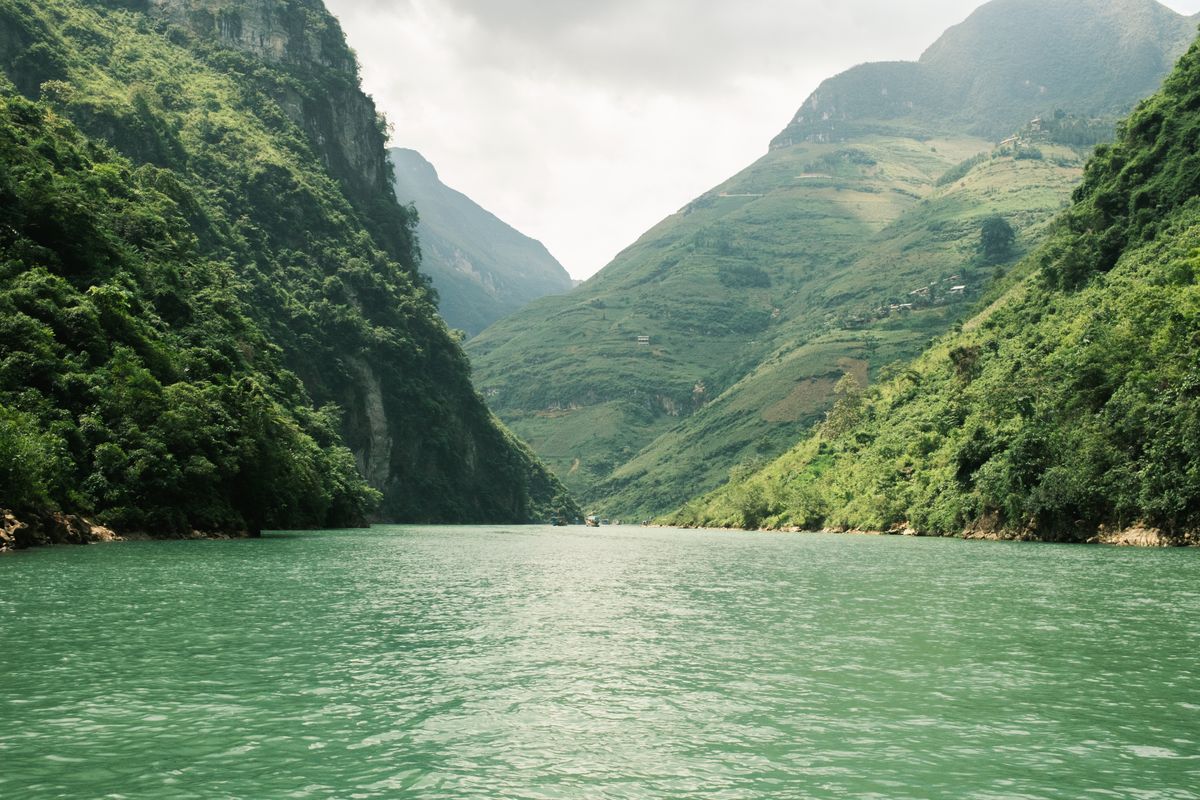
Main Highlights | Ma Pi Leng Pass, Nho Que River, Dong Van, Meo Vac |
Getting to Ha Giang
Most travelers start their Ha Giang Loop from Hanoi, which takes around 6–8 hours by sleeper bus or limousine bus. If you are already exploring Northern Vietnam, Ha Giang is easy to combine with destinations like Ninh Binh, Hanoi, or Sapa.
GoPhuot Local Tip
Ha Giang is located in the far north of Vietnam, so it works best as part of a Northern Vietnam itinerary rather than a quick stop. If you already plan to visit Hanoi, Ninh Binh, or Sapa, adding a few extra days for the Ha Giang Loop can give you a completely different side of Vietnam — from busy cities and famous landscapes to quiet mountain villages and local life.
Is The Ha Giang Loop Worth It?
Before planning your route, budget, or itinerary, the first question many travelers ask is simple: is the Ha Giang Loop really worth visiting?
For most travelers, the answer is yes. Unlike many popular destinations where the main attractions are the focus, Ha Giang is about the journey itself — winding mountain roads, dramatic landscapes, local villages, and unexpected stops along the way.
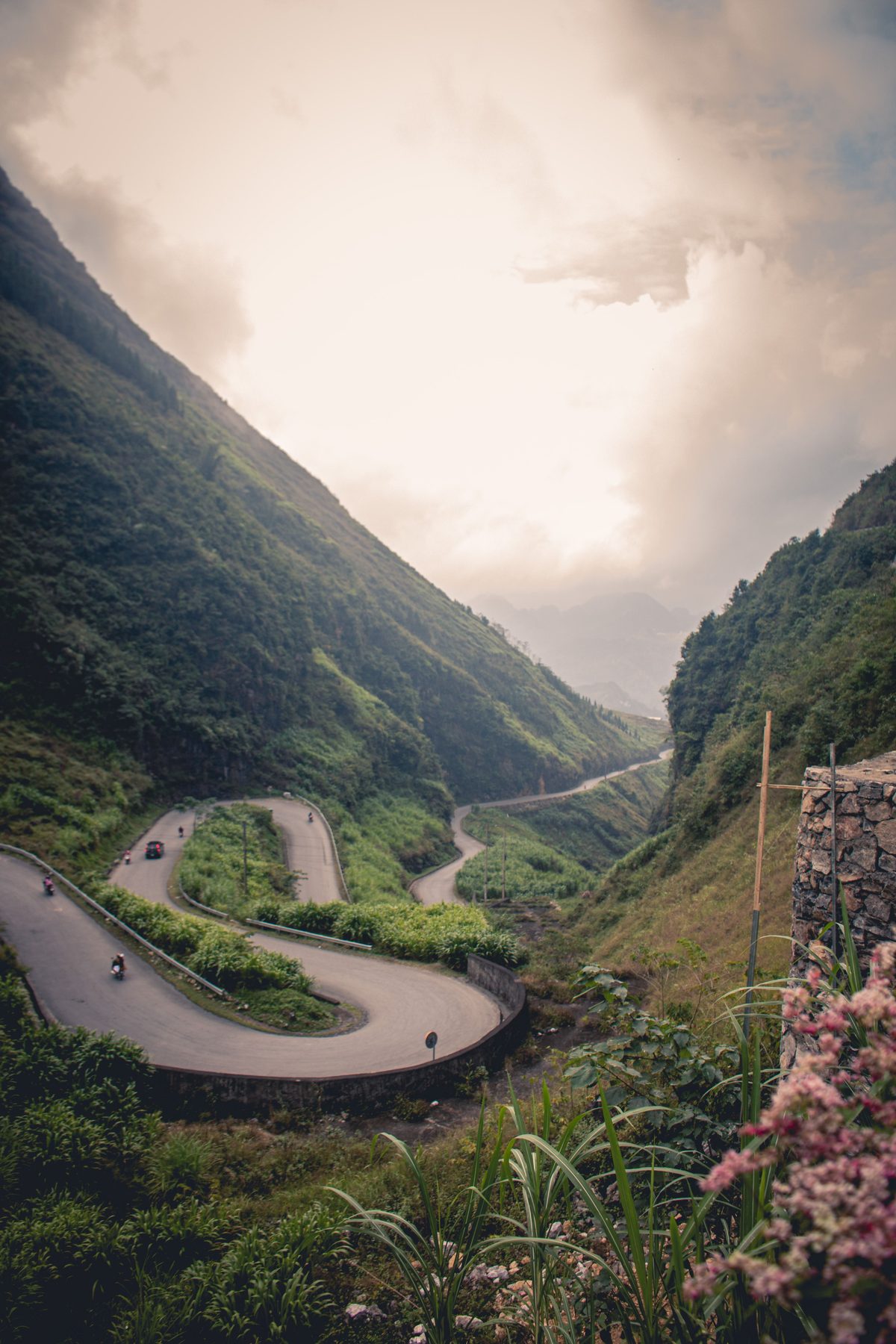
The route’s highlights include Ma Pi Leng Pass, Dong Van Old Quarter, and Nho Que River, but what makes Ha Giang special is the overall experience: waking up in a mountain homestay, trying local food, and seeing a side of Vietnam that feels far away from busy cities.

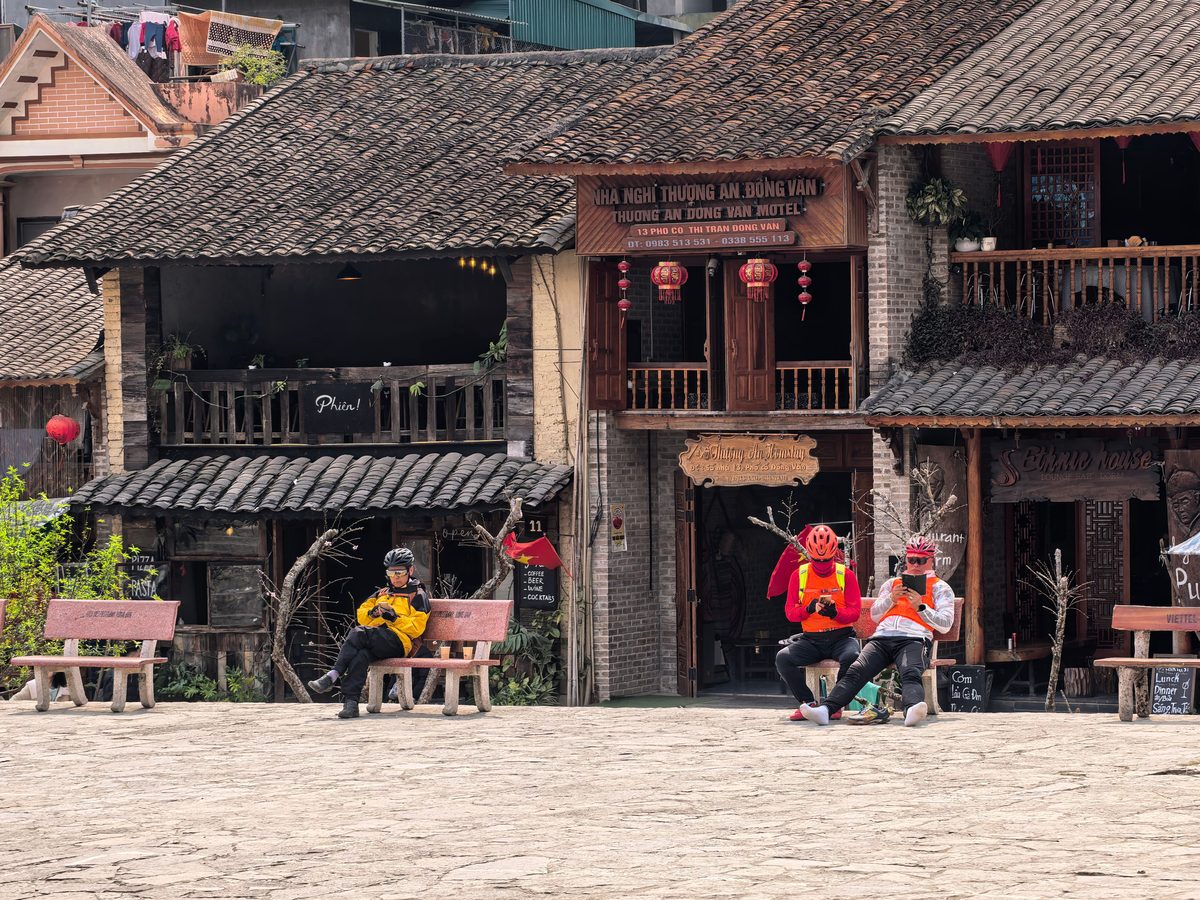

However, the Ha Giang Loop is not for everyone. The roads can be challenging, especially for first-time riders, and weather conditions can change quickly. If you are not confident riding a motorbike, an Easy Rider tour is a great option to enjoy the journey while letting a local driver handle the road.
GoPhuot Local Tip: Plan the Ha Giang Loop around the experience you want, not just the number of places you can check off your list.
Best Time to Visit The Ha Giang Loop
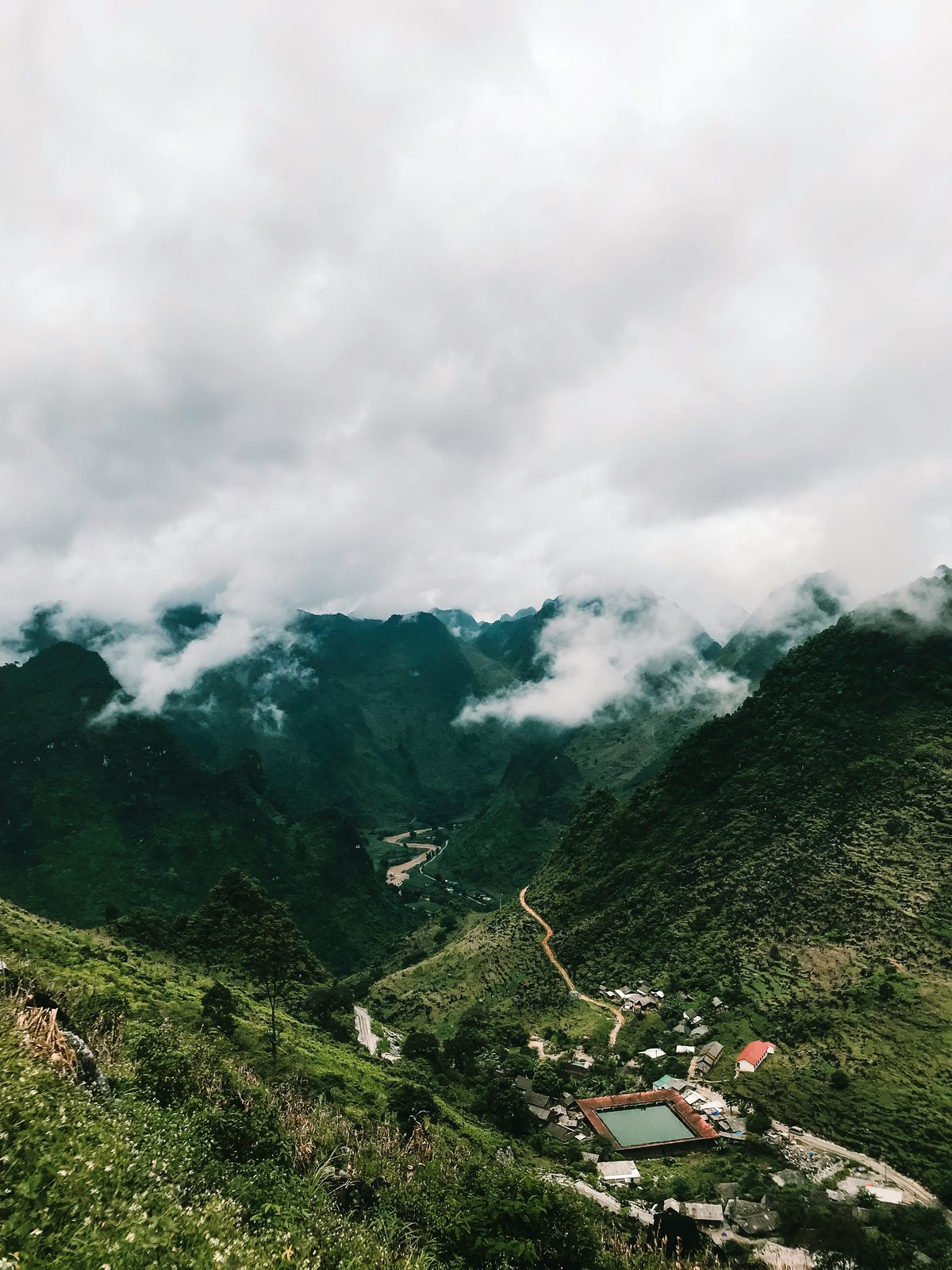
The Ha Giang Loop is located in the mountains of northern Vietnam, where the weather changes noticeably throughout the year. Each season offers a different experience, from blooming flowers in spring to golden rice terraces in autumn. For most travelers, March–May and September–November are the best months to visit thanks to pleasant temperatures, clearer skies, and ideal riding conditions.
Season | Weather | Why Visit? |
|---|---|---|
March – May | Mild, dry | Blooming flowers, clear views, comfortable riding |
June – August | Warm, frequent rain | Lush green landscapes, fewer tourists |
September – November | Cool, dry | Golden rice terraces, best mountain views |
December – February | Cold, sometimes foggy | Quiet roads, misty scenery, fewer crowds |



GoPhuot Local Tip: The best season doesn't always mean the safest trip. If you're new to the Ha Giang Loop, spend a little extra time planning your route and comparing trusted Easy Rider tours before you go. A well-planned trip is often the difference between a stressful ride and an unforgettable adventure.
GoPhuot helps you compare routes, plan your itinerary, and find trusted local travel services — all in one place.
How Many Days Do You Need for the Ha Giang Loop?
For most first-time visitors, 4 days is the ideal amount of time to experience the Ha Giang Loop. It gives you enough time to visit the route's highlights, enjoy the mountain scenery, and ride at a comfortable pace without feeling rushed.
Duration | Best For | What to Expect |
|---|---|---|
3 Days | Travelers with limited time | Covers the main highlights but involves longer riding days and fewer stops. |
4 Days ⭐ Recommended | First-time visitors | The best balance of sightseeing, riding time, and flexibility. |
5 Days | Slow travelers & photographers | More time for local experiences, short hikes, and exploring beyond the main route. |
If you're unsure which option to choose, go with 4 days. It allows enough time to enjoy famous stops like Dong Van, Ma Pi Leng Pass, Meo Vac, and Du Gia, while leaving room for the unexpected moments that often become the highlight of the trip.
GoPhuot Local Insight: The Ha Giang Loop isn't about ticking off every viewpoint. Before you go, check road conditions, compare route options, and choose an itinerary that matches your riding experience. A well-planned trip is not only more enjoyable—it’s also much safer.
Suggested Ha Giang Loop Itinerary (4 Days)
Day 0: Travel to Ha Giang
Ha Giang doesn't have an airport or railway station, so Hanoi is the main gateway. Most travelers take an overnight sleeper bus or limousine bus from Hanoi, which takes around 6–8 hours.
If you're travelling from Ho Chi Minh City, Da Nang, or other parts of Vietnam, you'll first need to fly or take a train to Hanoi before continuing by bus to Ha Giang.
Day 1: Ha Giang City → Quan Ba → Yen Minh
After collecting your motorbike or meeting your Easy Rider in Ha Giang City, begin your journey towards Quan Ba. The first day is relatively gentle and gives you time to get comfortable with the mountain roads.
Don't miss:
Quan Ba Heaven Gate
Twin Mountains Viewpoint
Bac Sum Pass
Small cafés overlooking the valleys
Spend the night in Yen Minh, a quiet town with several homestays and local restaurants.
Day 2: Yen Minh → Dong Van
The second day takes you deeper into the Dong Van Karst Plateau Geopark, one of Vietnam's most spectacular landscapes.
Along the way, consider stopping at:
Tham Ma Pass
Hmong King's Palace
Lung Cu Flag Tower (optional detour)
Dong Van Old Quarter
Dong Van is one of the most popular overnight stops on the loop, with a relaxed atmosphere and plenty of places to eat after a full day on the road.
Day 3: Dong Van → Ma Pi Leng Pass → Meo Vac → Du Gia
For many travelers, this is the highlight of the entire journey.
Start early to enjoy Ma Pi Leng Pass before it gets busy. The road offers some of the most dramatic mountain views in Vietnam, and it's well worth taking your time here.
If the weather is good, consider adding a boat trip on the Nho Que River before continuing towards Meo Vac and Du Gia.
The road to Du Gia is quieter and feels more remote, making it a great place to experience local life away from the busier tourist stops.
Day 4: Du Gia → Ha Giang City
The final day is more relaxed, with scenic roads leading back to Ha Giang City.
Instead of rushing back, leave enough time to stop at smaller villages, viewpoints, or coffee shops that you may have missed on the way.
Most travelers arrive back in Ha Giang during the afternoon, giving them enough time to catch an evening sleeper bus to Hanoi or stay one more night before continuing their trip.
4-Day Ha Giang Loop Route Overview
Day | Route | Overnight |
|---|---|---|
Day 0 |
✈️ Ho Chi Minh City → Fly to Hanoi → Take an overnight bus to Ha Giang 🚆 Ninh Binh → Travel to Hanoi → Take a bus to Ha Giang (or check for direct buses if available) 🏔️ Sapa → Take a direct bus to Ha Giang (limited schedules available) | Ha Giang City |
Day 1 | Ha Giang → Quan Ba → Yen Minh | Yen Minh |
Day 2 | Yen Minh → Dong Van | Dong Van |
Day 3 | Dong Van → Ma Pi Leng Pass → Meo Vac → Du Gia | Du Gia |
Day 4 | Du Gia → Ha Giang City | Trip ends |
GoPhuot Tip: This itinerary is designed as a starting point, not a strict schedule. Weather, road conditions, and unexpected discoveries often become the most memorable parts of the Ha Giang Loop. Leave yourself enough flexibility to enjoy them.
📍 Want a route you can follow without planning from scratch? Open the Ready-Made 4-Day Ha Giang Loop Itinerary in the GoPhuot app or click the link below: https://gophuot.com/templates/share/ykVLyx83lTCQ
Ha Giang Loop Cost: How Much Should You Budget?
The cost of a Ha Giang Loop trip depends mainly on your travel style. A budget traveler renting a basic motorbike, staying in local homestays, and eating local food will spend much less than someone joining an Easy Rider tour with more comfort.
For most travelers, a realistic budget for a 4-day Ha Giang Loop is around USD 150–220. If you choose an Easy Rider tour or prefer more comfortable accommodation, expect to spend around USD 220–350.
A Typical Budget for 4 Days
Expense | Estimated Cost (USD) |
|---|---|
Round-trip bus from Hanoi | 20–45 |
Motorbike rental (4 days) | 35–70 |
Fuel | 10–15 |
Accommodation (3 nights) | 25–60 |
Food & drinks | 25–50 |
Boat trip, entrance fees & small extras | 15–30 |
Estimated Total | 150–220 |
GoPhuot Local Insight: Don't choose your motorbike rental based on price alone. A reliable bike and experienced Easy Rider can make a big difference, especially on Ha Giang's mountain roads. Before booking, check reviews, compare what's included, and choose an option that fits your riding experience.
GoPhuot helps travelers organize their Ha Giang journey, from planning routes to keeping important trip details in one place. Remember to carry enough cash before starting the loop, as ATMs are limited and many local restaurants and homestays still prefer cash payments.
Also, leave some extra budget for unexpected experiences—such as a Nho Que River boat trip, a longer coffee stop, or an extra night at a memorable homestay.
Easy Rider vs Self-Ride: Which Option Is Better?
Choosing between an Easy Rider tour and self-riding depends on your riding experience and how comfortable you feel on mountain roads.
Feature | Easy Rider | Self-Ride |
|---|---|---|
Best for | First-time visitors | Experienced riders |
Safety | Higher | Depends on your skills |
Freedom | Moderate | High |
Cost | Higher | More budget-friendly |
For most first-time visitors, we recommend an Easy Rider tour. Ha Giang's mountain roads can be challenging, and a local driver knows the route, road conditions, and safer ways to handle difficult sections.
Self-riding is a great option if you already have experience with motorbikes and want more freedom to explore at your own pace. However, Ha Giang is not the place to learn riding for the first time.
GoPhuot Local Insight: Even experienced Vietnamese travelers can find the Ha Giang Loop challenging. Choose the option that matches your skills—the best trip is not the one you complete fastest, but the one you enjoy safely.
Ha Giang Loop Safety Tips & Common Mistakes
Safety Tips
"If this is your first Ha Giang Loop trip, take it slow. The mountains are not going anywhere—enjoy the journey."
This is the advice many local riders share with first-time visitors. Ha Giang is beautiful, but mountain roads, sharp turns, and changing weather can be challenging if you are not prepared.
Before leaving Ha Giang City, always check your motorbike carefully, especially the brakes, tyres, and lights. A reliable bike is worth much more than saving a small amount of money.
Locals also recommend starting early and avoiding riding after dark, as fog and poor visibility can make mountain roads much harder to handle.
Weather in Ha Giang can change quickly, so bring a light jacket and rain protection even on sunny days.
Most importantly, don't rush. The Ha Giang Loop is not a race—ride at your own pace, take breaks, and enjoy the landscapes and local life along the way.
Common Mistakes First-Time Travelers Make
The biggest mistake is trying to do too much in too little time. A tight schedule often leads to longer riding hours, less time to rest, and unnecessary pressure on unfamiliar roads.
Another common mistake is choosing the cheapest motorbike rental without checking its condition. A well-maintained bike is far more important than saving a small amount of money.
Some travelers also underestimate mountain weather. A sunny morning can quickly turn into heavy rain or thick fog, so carrying a lightweight rain jacket and waterproof cover for your backpack is always a smart idea.
Finally, don't feel pressured to keep up with faster riders. The Ha Giang Loop is not a race. Ride at a pace that feels comfortable, stop when you need a break, and enjoy the journey rather than focusing on the distance.
GoPhuot Tip: The best Ha Giang Loop memories rarely come from riding the fastest—they come from traveling safely enough to enjoy every kilometre of the journey.
Plan Your Ha Giang Loop with GoPhuot
Download the GoPhuot app and start planning your Ha Giang Loop today.