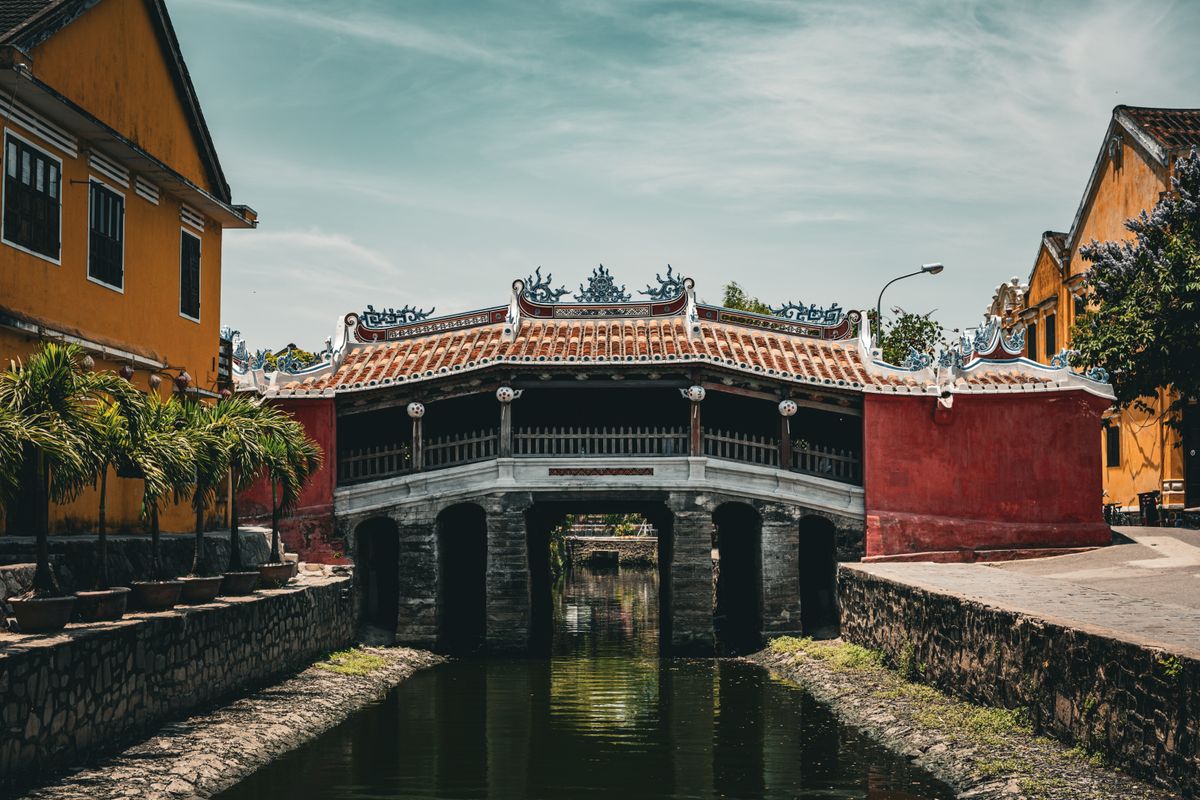
Japanese Covered Bridge
Chùa Cầu Hội An
Hoi An’s iconic 17th-century covered bridge, blending Vietnamese, Japanese, and Chinese influences in the heart of the Ancient Town.
Photos
What to know before you go
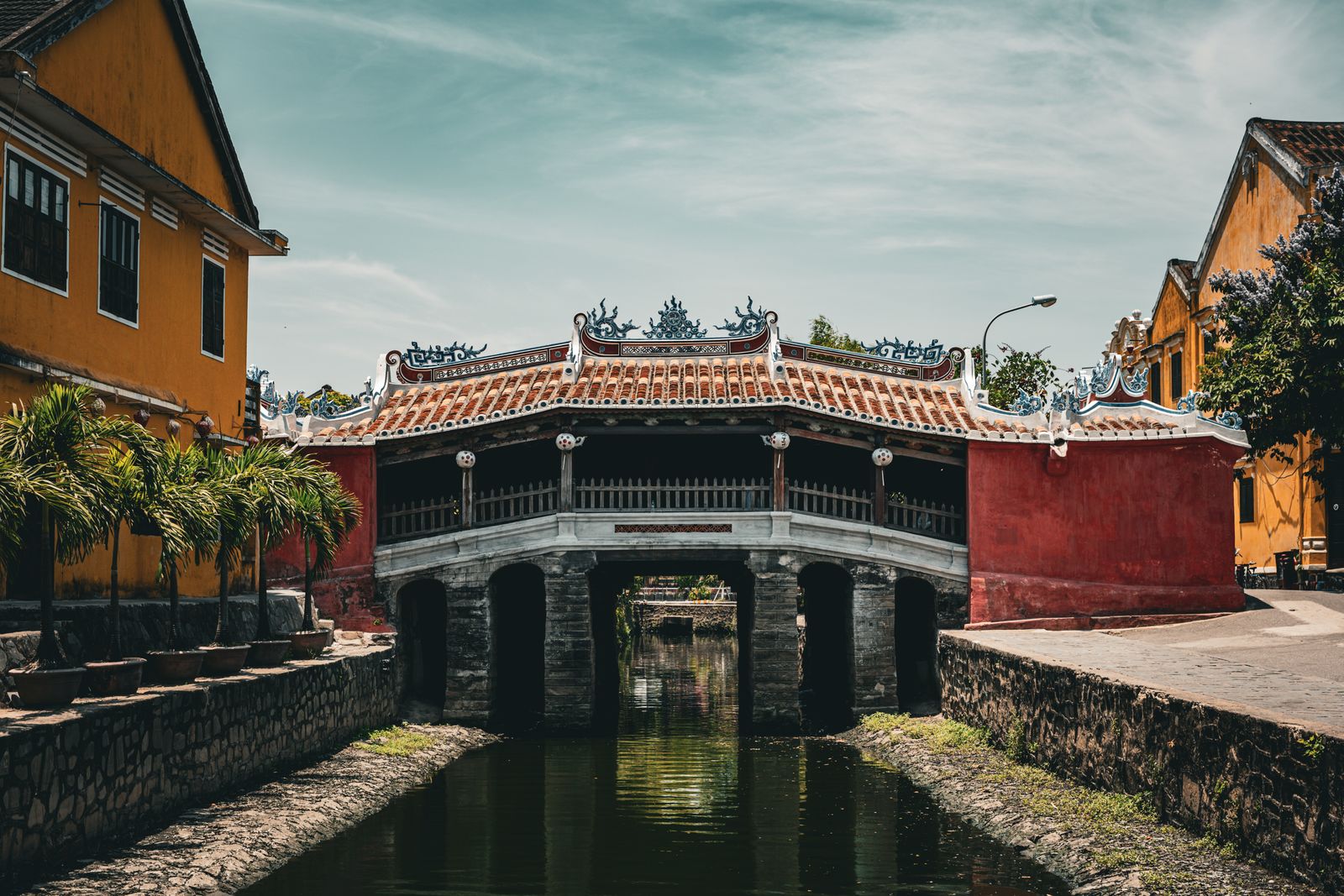
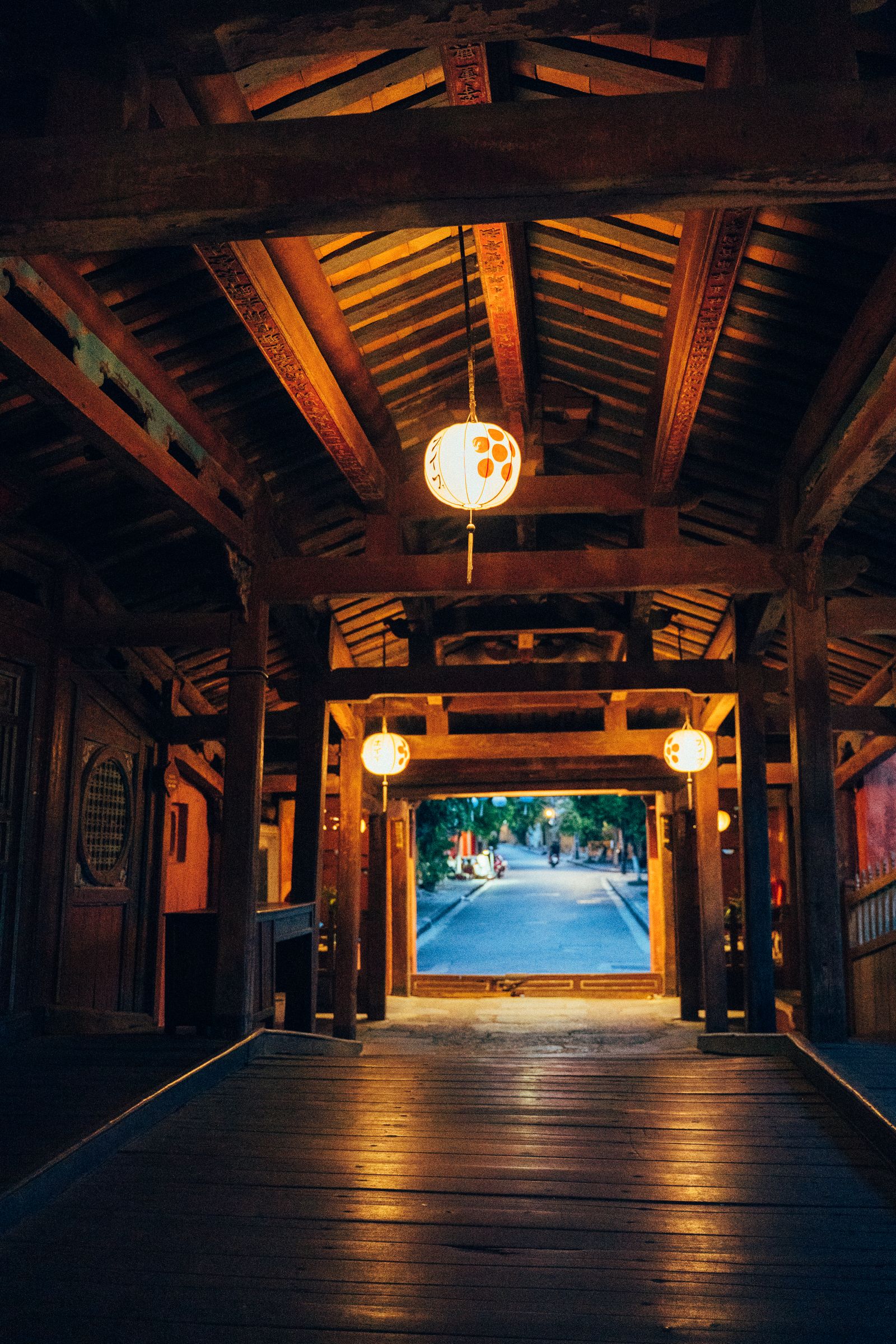
- Chùa Cầu is one of the defining symbols of Hoi An Ancient Town and is commonly called the Japanese Covered Bridge in English. It dates back to the early 1600s, when Hoi An was a major international trading port, and reflects the town’s blend of Japanese, Vietnamese, and Chinese cultural influences.
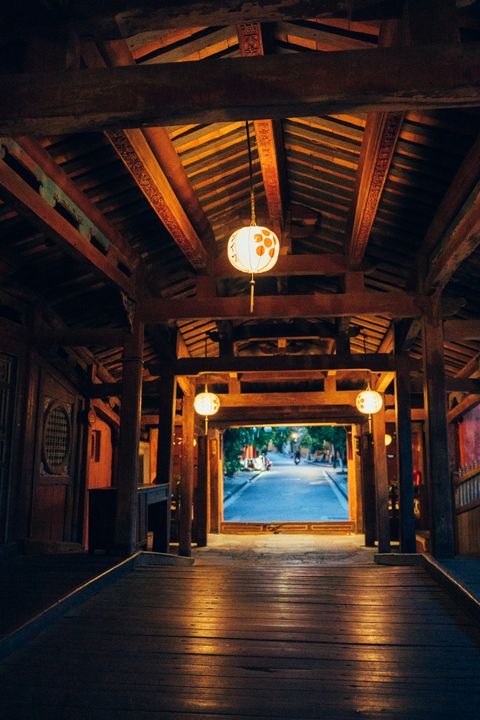
- The bridge is compact but highly photogenic, with a roofed wooden structure, decorative details, and a small temple-like space at one end. Solo travelers often combine it with a walking route through Hoi An Ancient Town, especially in the early morning or after sunset when the atmosphere is calmer and the lanterns create the best photos.
Culture, safety & access
Culture & etiquette
This is a heritage symbol of Hoi An, so be respectful, avoid loud behavior, and do not sit or climb on restricted parts of the bridge
Safety & health
Safe and walkable, but the area gets congested; keep valuables secure and use a crossbody bag in crowds
Weather
Rain can make the surrounding cobblestones slippery, while evening visits are most atmospheric during dry weather
Walking Access
Best reached on foot; the surrounding Ancient Town streets are pedestrian-friendly but can be crowded and uneven
Accessibility
The bridge and nearby lanes are not fully wheelchair-friendly due to steps, narrow paths, and uneven paving
Visitor Etiquette
Keep noise low, avoid blocking the bridge for photos, and dress respectfully when visiting heritage areas
Safety Tips
Generally safe for solo travelers; watch for wet, slippery surfaces after rain and stay alert for bicycle and scooter traffic at the edges of the old town
Money-Saving Tip
You can enjoy the bridge from outside without paying; buy the Ancient Town ticket only if you plan to enter multiple heritage houses, temples, or museums
