City guide

    Ha Giang

    Explore Ha Giang, Vietnam

    Overview

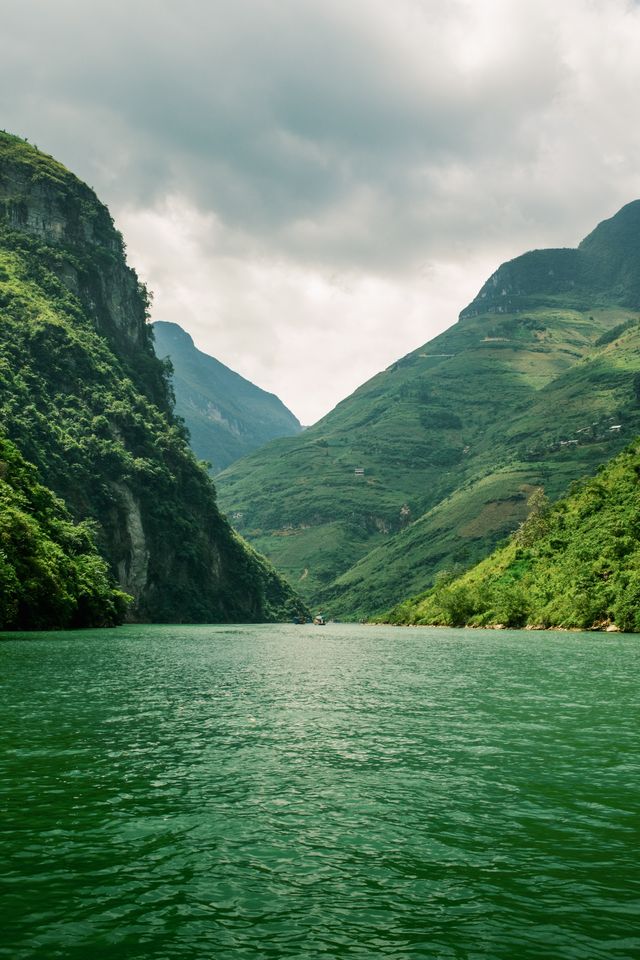
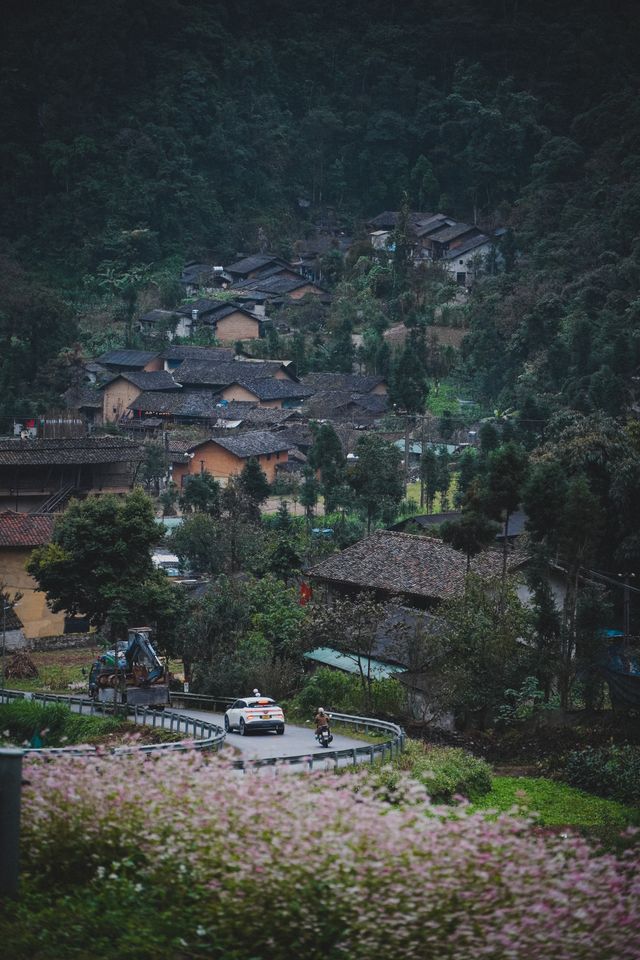
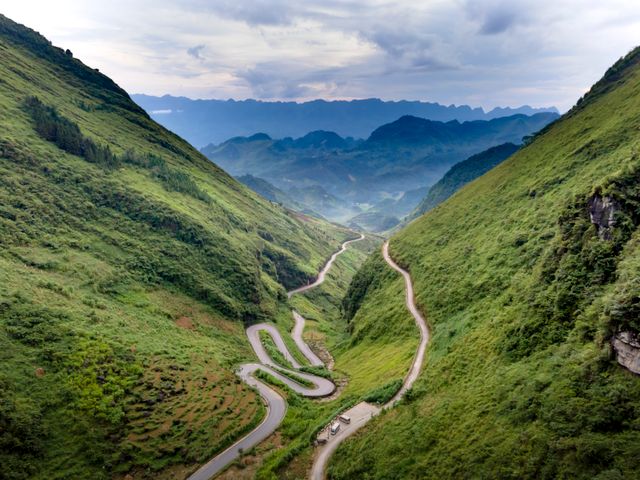
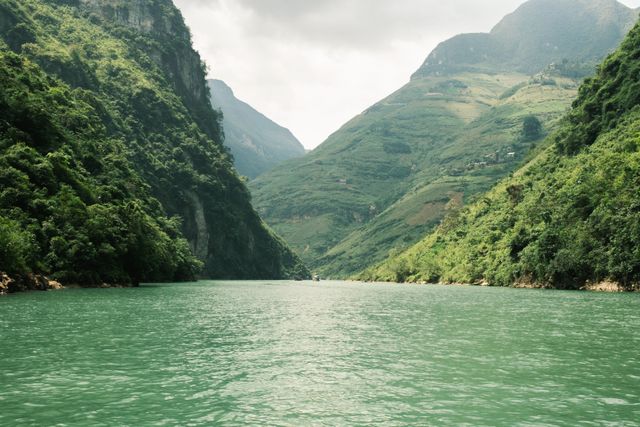
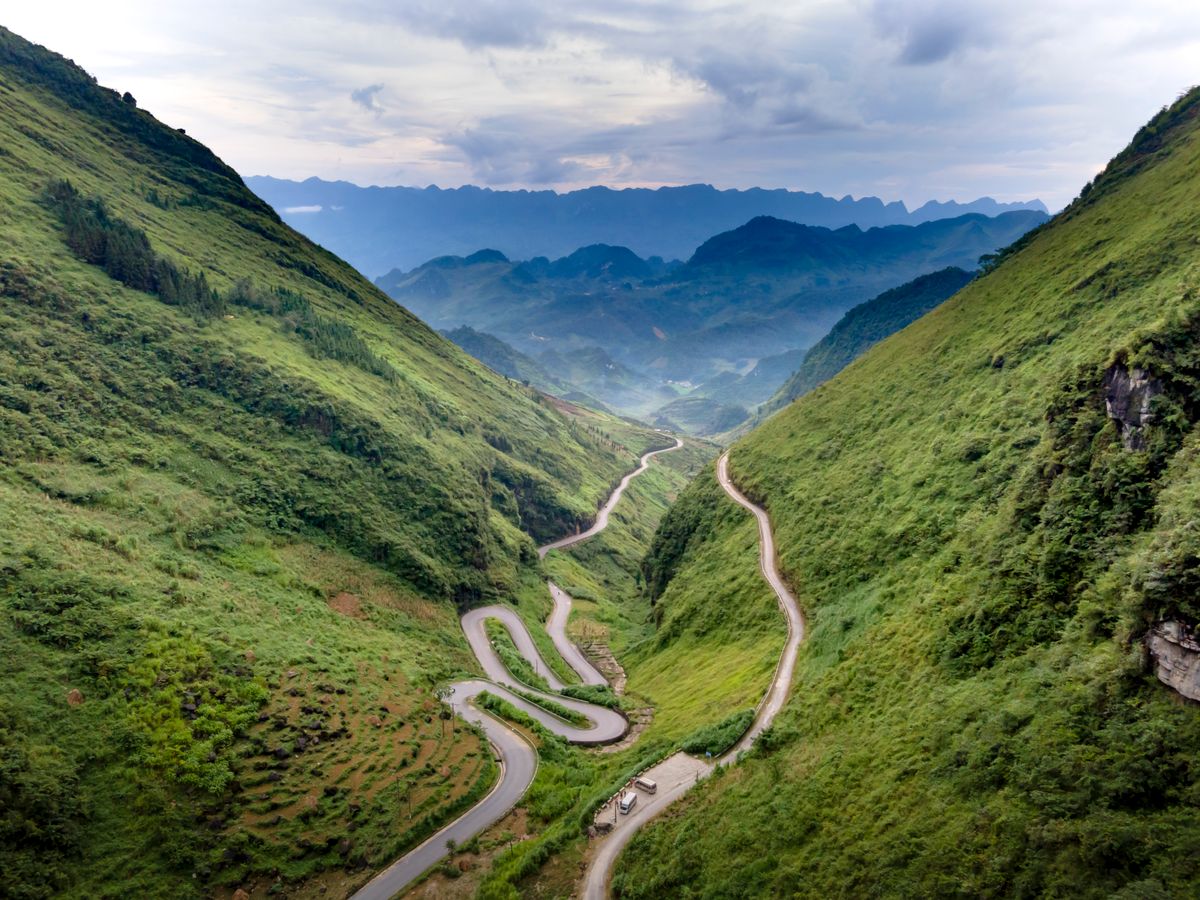
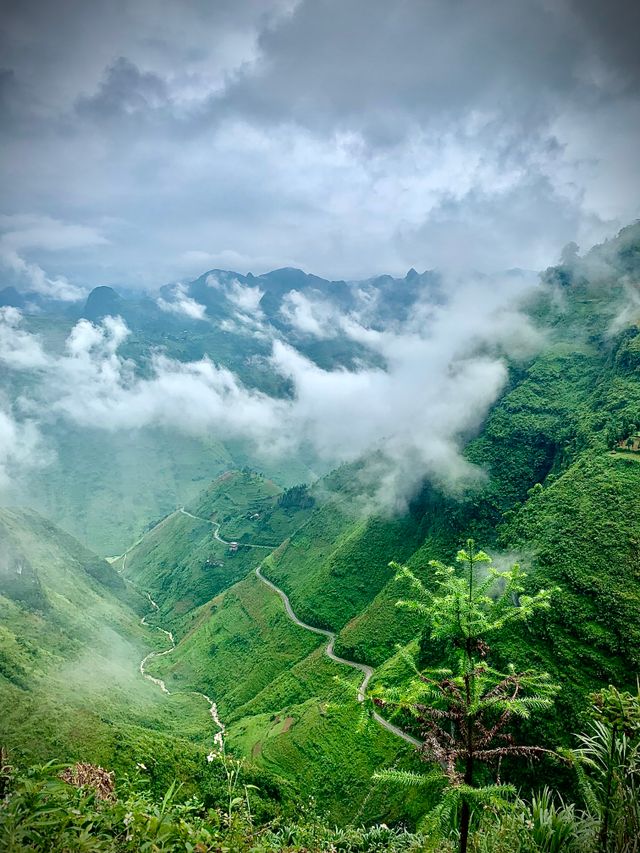
    A rugged mountain province in far northern Vietnam, famous for the Ha Giang Loop motorbike route through dramatic karst landscapes, ethnic minority cultures, and remote highland scenery.
    At a glanceHa Giang · City guide
    Country
    Vietnam
    Region
    Northeast Vietnam
    Recommended stay
    3-5 days
    Daily cost
    ≈ $30 / day
    Best time to visit
    Mar - May, Sep - Nov
    ha-giang · Guide
    Good to know

    Before you go to Ha Giang

    When to go

    Climate through the year

    Rainfall mm/inchesTemperature °C/°F0/0.05/41100/3.911/52200/7.917/63300/11.823/73400/15.729/84500/19.735/95JFMAMJJASOND
    Monthly temperature and rainfall
    MonthMin °CMax °CRainfall mm
    J81820
    F102025
    M132345
    A172790
    M2029180
    J2231250
    J2331320
    A2330300
    S2129220
    O1726110
    N132240
    D91920

    Spring (Feb-Apr)

    Mild to cool weather in the mountains, with spring blossoms and post-Tet cultural activity. Northern Vietnam’s dry season generally runs from November to April, making this a good time for Ha Giang’s outdoor scenery. Tet may fall in late January or February depending on the lunar calendar.

    Good for trekking, scenic drives, and village visits; festive atmosphere around Tet and early spring markets.
    Can be busy around Tet; occasional drizzle and fog in the highlands.

    Ideal for: Dong Van Karst Plateau, local markets, cultural villages, and road trips.

    Pack: Light layers, a warm jacket for evenings, and a compact umbrella.

    Summer (May-Aug)

    Warm, humid, and rainier conditions; this is the main wet season in northern Vietnam, but Ha Giang can still be rewarding with lush green landscapes.

    Fewer crowds, greener scenery, and often better value on rooms and tours.
    Heavy rain, slippery roads, and occasional landslides on mountain routes.

    Ideal for: Flexible travelers, photography after rain, and lower-cost stays.

    Pack: Breathable clothes, rain jacket, waterproof shoes, and dry bags for electronics.

    Autumn (Sep-Nov)

    Generally the best time to visit Ha Giang, with clearer skies, cooler temperatures, golden rice terraces in Hoang Su Phi, and buckwheat flower season in many areas.

    Best overall weather, excellent scenery, and major festivals/events.
    Peak demand for accommodation and transport, especially in October and November.

    Ideal for: Hoang Su Phi terraces, Ma Pi Leng Pass, Dong Van, and photography trips.

    Pack: Layers, comfortable walking shoes, and a light windproof jacket.

    Winter (Dec-Jan)

    Cool to cold, often foggy in the highlands, with dry conditions in many areas. This is quieter and can feel atmospheric in the mountains.

    Lower prices, fewer tourists, and strong cloud-hunting conditions on some mornings.
    Chilly nights, reduced visibility, and less comfortable motorbike travel.

    Ideal for: Cozy homestays, local food, and slow travel.

    Pack: Warm jacket, scarf, gloves, and thermal layers.

    Daily budget

    Low season / day
    20-35 USD (rainy season, excluding accommodation)
    Peak season / day
    30-55 USD (dry season, excluding accommodation)
    Cash
    Carry 500,000-1,000,000 VND in small bills for homestays, local food, and remote villages.
    Exchange
    Use official banks or licensed exchange counters; the VND has been around the mid-20,000s per USD in 2025, so check the live rate before exchanging.
    ATMs
    Available in Ha Giang city and larger towns, but less reliable in remote districts; expect a small withdrawal fee from your home bank and/or local ATM operator.
    Cards
    Moderate - cards are common in hotels and larger restaurants, but cash is still preferred for street food, markets, homestays, and rural transport.

    Events & festivals

    • Tet (Lunar New Year)Late January or February (varies by lunar calendar)

      Family gatherings, flower markets, festive decorations, and a strong holiday atmosphere across northern Vietnam.

      Tip: Book transport and accommodation early; many businesses close for several days, so bring enough cash and plan food options in advance.

    • Khau Vai Love Market FestivalUsually in late April or May

      A famous Ha Giang cultural event with traditional performances, local food, handicrafts, and the historic love market tradition in Meo Vac district.

      Tip: Go early and stay overnight if possible; it gets busy, and transport back can be limited.

    • Buckwheat Flower FestivalTypically October to November

      Seasonal flower displays, cultural performances, and scenic viewpoints across the Dong Van Karst Plateau.

      Tip: Best combined with a loop trip through Dong Van, Yen Minh, and Ma Pi Leng for the strongest scenery.

    • Hoang Su Phi Terraced Rice Harvest SeasonSeptember to October

      Golden rice terraces, village life, and some of the best landscape photography in northern Vietnam.

      Tip: Reserve homestays early during harvest season, especially on weekends and around local festival dates.

    Getting there

    How to reach Ha Giang from abroad or within Vietnam.

    Arriving internationally

    • Fly into Hanoi first; Ha Giang does not have a commercial airport. Hanoi is the main gateway for reaching Ha Giang, which is about 300 km away by road. ([vietnam.travel](https://www.vietnam.travel/places-to-go/northern-vietnam/ha-giang?utm_source=openai))
    • From Hanoi, take an overnight sleeper bus, daytime bus, or a private car/tour transfer to Ha Giang city. Vietnam Tourism notes that buses depart regularly from My Dinh bus station in Hanoi, and private car or motorbike-tour options are also common. ([vietnam.travel](https://www.vietnam.travel/things-to-do/ha-giang-loop-four-day-road-trip?utm_source=openai))
    • If you are arriving internationally, connect through Noi Bai International Airport in Hanoi, then continue overland to Ha Giang. Hanoi is served by Noi Bai International Airport, about 45 km from the city center. ([vietnam.travel](https://vietnam.travel/places-to-go/northern-vietnam/ha-noi?utm_source=openai))

    From within the country

    • Ha Giang is best reached from Hanoi by road; the trip is commonly done by sleeper bus, VIP limousine van, private car, or motorbike tour. ([vietnam.travel](https://www.vietnam.travel/places-to-go/northern-vietnam/ha-giang?utm_source=openai))
    • For solo travelers, the most efficient option is usually an overnight sleeper bus from Hanoi to Ha Giang city, then renting a motorbike or joining a loop tour locally. ([vietnam.travel](https://www.vietnam.travel/things-to-do/ha-giang-loop-four-day-road-trip?utm_source=openai))
    • If you prefer flexibility, book a private transfer or a guided motorbike-back tour from Hanoi or Ha Giang city. ([vietnam.travel](https://www.vietnam.travel/places-to-go/northern-vietnam/ha-giang?utm_source=openai))

    Booking & arrival tips

    • Book Hanoi-to-Ha Giang transport in advance during weekends, holidays, and the Tet period, when seats sell out quickly. This is an inference based on the route’s popularity and the regular overnight/daytime departures noted by Vietnam Tourism. ([vietnam.travel](https://www.vietnam.travel/things-to-do/ha-giang-loop-four-day-road-trip?utm_source=openai))
    • For solo safety, choose reputable sleeper bus operators or hotel-arranged transfers rather than street-booked rides. This is an inference based on the long-distance route and the remote terrain around Ha Giang. ([vietnam.travel](https://www.vietnam.travel/places-to-go/northern-vietnam/ha-giang?utm_source=openai))
    • Carry cash in Vietnamese dong for bus tickets, local transfers, and small-town expenses, since remote areas around Ha Giang have limited resources outside the city. ([vietnam.travel](https://www.vietnam.travel/things-to-do/ha-giang-loop-four-day-road-trip?utm_source=openai))
    • If you plan to ride yourself, check weather and road conditions before leaving Hanoi or Ha Giang city, because the loop is mountainous and remote. ([vietnam.travel](https://vietnam.travel/things-to-do/ha-giang-loop?utm_source=openai))

    Getting around

    Motorbike rental

    Varies by bike and season

    Best for the Ha Giang Loop and flexible solo travel.

    Sleeper bus / limousine van

    Budget to mid-range

    Main overland connection between Hanoi and Ha Giang city.

    Private car / tour transfer

    Higher cost

    Most comfortable option for solo travelers with luggage.

    Local taxi / hotel transfer

    Short-trip pricing varies

    Useful for getting between bus station, hotel, and town center.

    Good to know. In Ha Giang, the most practical transport is motorbike or pre-booked tour transfer; public urban transit is limited compared with major Vietnamese cities. Vietnam Tourism describes Ha Giang as best experienced by road trip, especially on two wheels. ([vietnam.travel](https://www.vietnam.travel/places-to-go/northern-vietnam/ha-giang?utm_source=openai))

    Handy apps

    GGoogle Maps

    Navigation and offline route planning.

    Download offline maps before leaving Hanoi; mountain coverage and signal can be patchy on remote roads.

    GGrab

    Ride-hailing and food delivery in Vietnam.

    Useful in Hanoi and some Vietnamese cities; check availability locally before relying on it in Ha Giang.

    XXanh SM

    Ride-hailing with electric vehicles.

    Good backup in Vietnam’s larger cities; verify local coverage before arrival in Ha Giang.

    BBe

    Ride-hailing and delivery.

    Can be a cheaper alternative in some Vietnamese cities; availability in Ha Giang may be limited.

    SShopeeFood

    Food delivery.

    Useful for hotel delivery in larger towns; coverage may be limited outside central areas.

    Backup. Save your hotel address in Vietnamese and keep a paper note of your bus company, pickup point, and emergency contact.

    Where to stay

    Nightly rates: 8-25 USD/night for hostels and basic guesthouses, 25-60 USD for mid-range hotels, more for boutique stays

    Ha Giang City Center

    Solo travelersLoop startersBudget travelers

    Best base for the Ha Giang Loop, with easy access to bus stations, motorbike rentals, cafes, and guesthouses.

    Lo River Riverside

    RelaxationCouplesLonger stays

    Quieter riverside stays with local views and a more relaxed atmosphere than the main road.

    Near Ha Giang Bus Station

    Transit travelersShort staysSolo travelers

    Practical area for late arrivals and early departures, especially if you are connecting from Hanoi overnight.

    Phuong Thien

    Nature loversHomestay seekersSlow travel

    Semi-rural area just outside the city with homestays, rice-field views, and a quieter local feel.

    Minh Khai Ward

    Convenience seekersFirst-time visitorsBudget travelers

    Central ward with convenient access to shops, food, and transport links in the city core.

    Tran Phu Ward

    Business travelersShort staysPractical base

    Another central option close to services, local eateries, and the main urban area.

    Booking tip: Book early for weekends, Vietnamese holidays, and the Ha Giang Loop high season; for solo travelers, choose a hostel or homestay with group dinners to meet riding partners.

    Health & safety

    Emergency numbers

    ambulance
    115
    fire
    114
    police
    113
    national emergency hotline
    112

    Medical facilities

    • Bệnh Viện Đa Khoa Tỉnh Hà Giang0965361717

      Tổ 10, Phường Minh Khai, Thành Phố Hà Giang

      Provincial general hospital; main public emergency option in Ha Giang city.

    • Sở Y Tế Tỉnh Hà Giang0965371717

      338 Nguyễn Trãi, Phường Nguyễn Trãi, Thành Phố Hà Giang

      Provincial health authority; useful for guidance and referrals.

    • Bệnh Viện Đa Khoa Huyện Đồng Văn0965311717

      Tổ 7, Thị Trấn Đồng Văn, Huyện Đồng Văn

      Important backup facility for travelers in the Dong Van area.

    Staying safe

    General safety
    Use extra caution on motorbike routes and in crowded markets; petty theft and bag snatching can happen, and road conditions can be risky.
    Notes
    Do not drink tap water; use sealed bottled or boiled water only. Traffic can be chaotic on mountain roads and in town, so cross carefully and avoid riding at night if possible.
    What to carry
    Comfy walking shoes, refillable water bottle, basic meds (painkillers, antidiarrheal, oral rehydration salts), mosquito repellent, sunscreen, and a light rain jacket for mountain weather.
    Lost items
    Nearest local police
    • Carry hand sanitizer for street food and public restrooms.
    • Use sunscreen, a hat, and hydration breaks in hot weather.
    • Rest immediately if you feel dizzy, overheated, or motion-sick on mountain roads.
    • Carry your travel insurance details and passport copy for faster registration.
    • Call ahead or ask your hotel/host to help with Vietnamese-language communication in emergencies.
    • If you lose valuables, report it to the nearest police station as soon as possible.
    • Emergency numbers are commonly used nationwide; 112 also receives disaster and emergency reports.

    Local customs

    Etiquette & local habits

    • Dress modestly in temples, pagodas, and ethnic minority villages; cover shoulders and knees when visiting sacred places.
    • Ask before photographing people, especially in ethnic minority communities; a smile and a small greeting go a long way.
    • Carry cash in small denominations because many homestays, markets, and rural services do not accept cards.
    • On mountain roads, ride or travel defensively and avoid rushing; local traffic can be unpredictable, especially in wet weather.

    When the city is open

    Most shops and attractions in Ha Giang city wind down early, often around 5-6 PM; night markets and some cafes stay open later, but rural areas close much earlier.