Must seeArchitectural LandmarkCultural HeritageHistorical Site
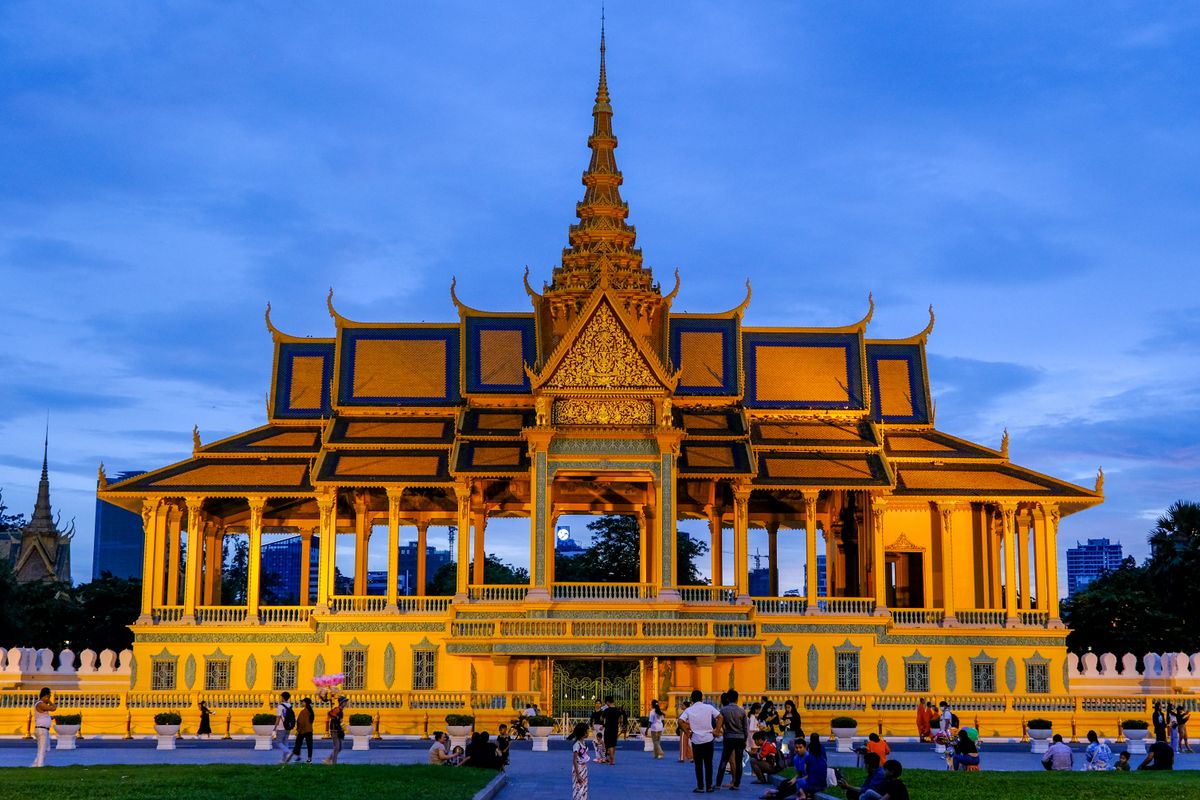
Royal Palace of Cambodia
ព្រះបរមរាជវាំង
4.5(18,000 reviews)From ៛40k2-3 hours
The majestic residence of Cambodia's King
A grand complex of gilded Khmer-style buildings. It serves as the official royal residence and a striking symbol of national heritage.
Gallery
Photos
What to know before you go
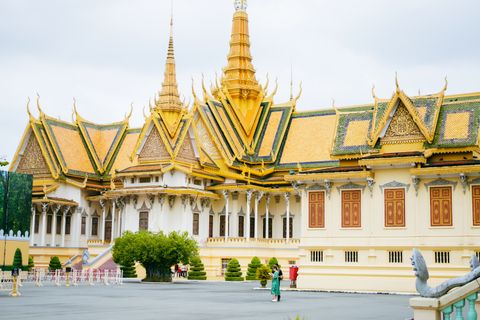
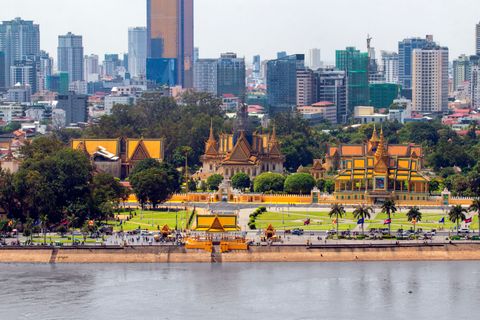
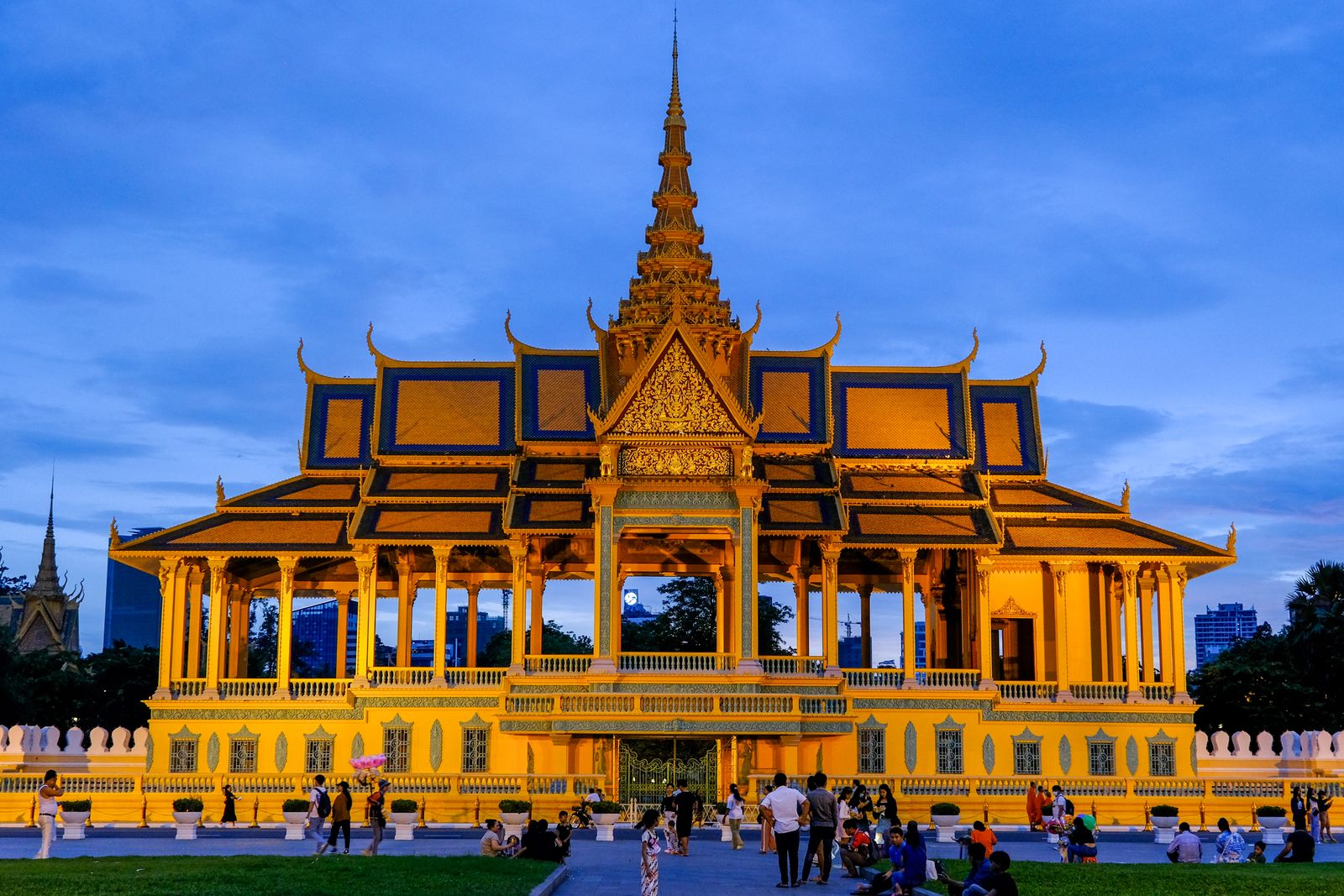
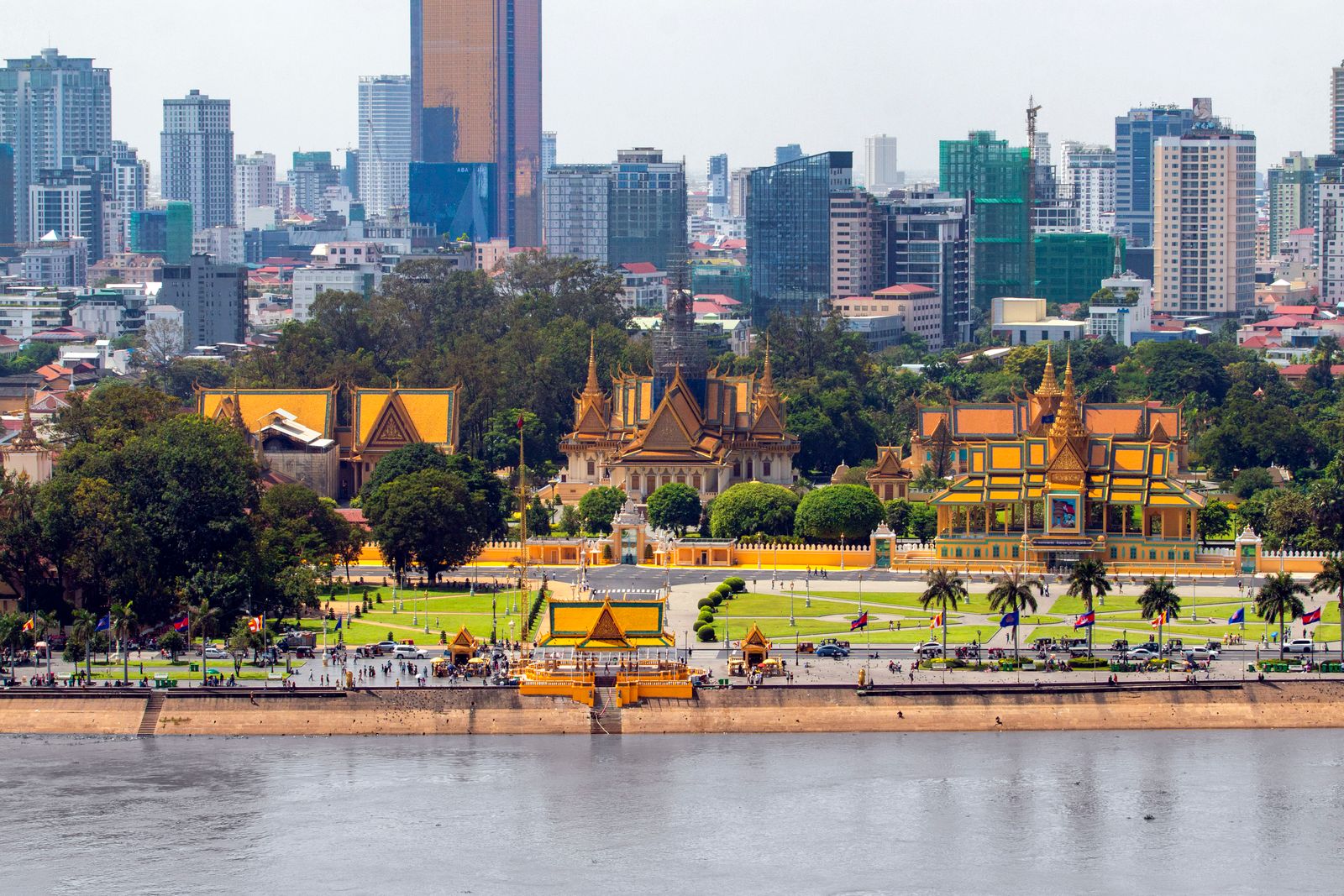
- The Royal Palace of Cambodia, located in the capital city of Phnom Penh, was constructed in the 1860s when King Norodom moved the royal seat from Oudong. The complex faces the confluence of the Tonle Sap and Mekong Rivers, serving as a stunning example of classic Khmer architecture decorated with sweeping golden roofs and ornate gables.
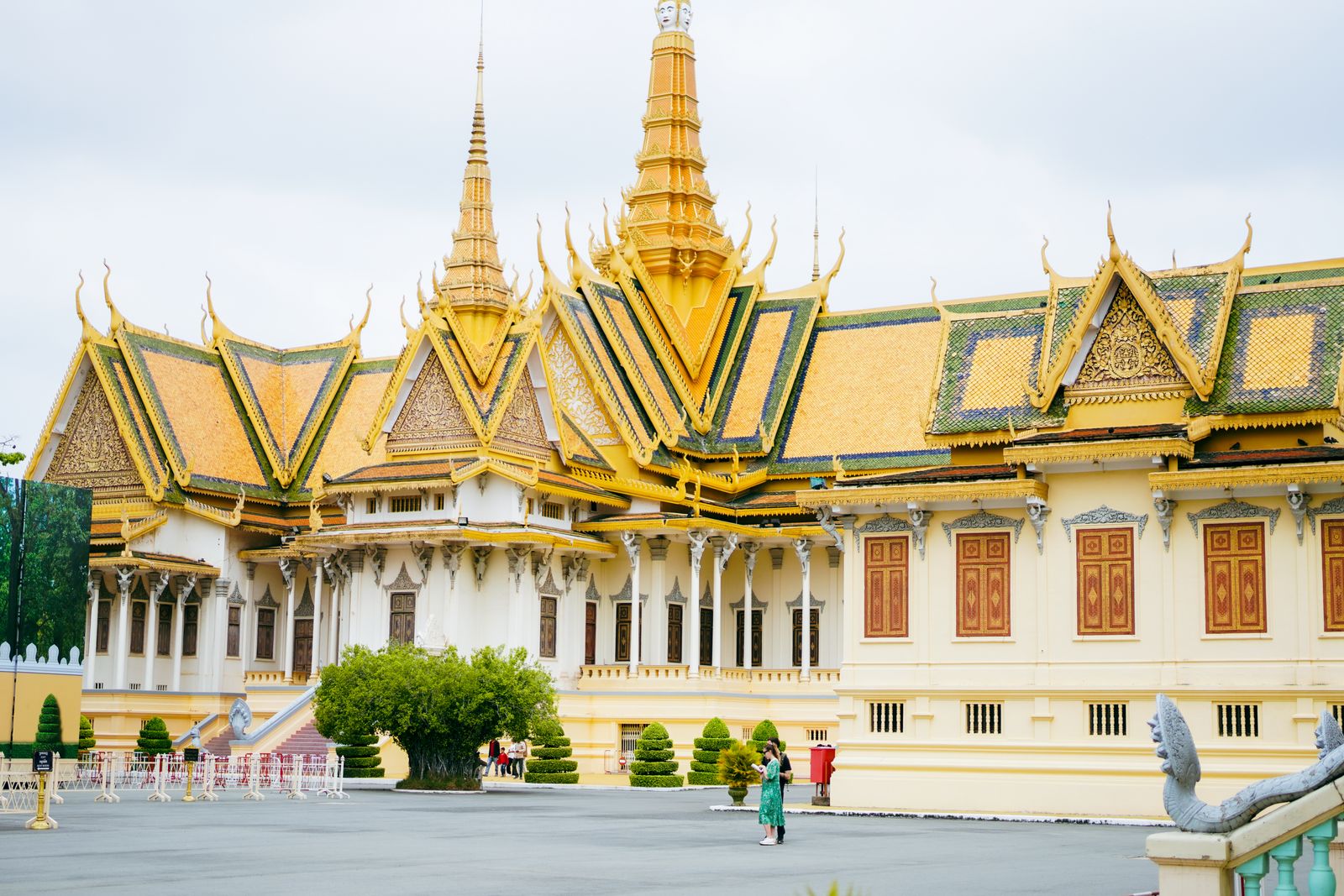
- While the King’s private living quarters remain off-limits, visitors can explore several magnificent structures within the sprawling manicured grounds. The highlight of the complex is the majestic Throne Hall, used for coronations and official ceremonies, and the famous Silver Pagoda, which features a floor inlaid with over 5,000 solid silver tiles and houses a collection of priceless emerald and gold Buddha statues.
What's on
Events & festivals here
- AnnouRoyal Ceremony Days
- AprilKhmer New Year Public Holiday Period
Good to know
Culture, safety & access
Culture & etiquette
Crowd: Moderately busy; packed on weekends and national holidays.Best season: Best from Nov–Feb during the cooler, drier months.
No photography inside sacred buildings. Remove shoes before entering.
Safety & health
Buy tickets only at the official inside booth; ignore outside scammers.
Weather
Mostly outdoors with minimal shade; midday sun reflects intensely.
Dress Code
Strict dress code. Cover shoulders and knees (shawls not accepted).
Best Time to Visit
8:00 AM opening. Note the lunch closure (11:00 AM – 2:00 PM).
Accessibility
Outdoor gardens are flat, but pavilion interiors require climbing steps.