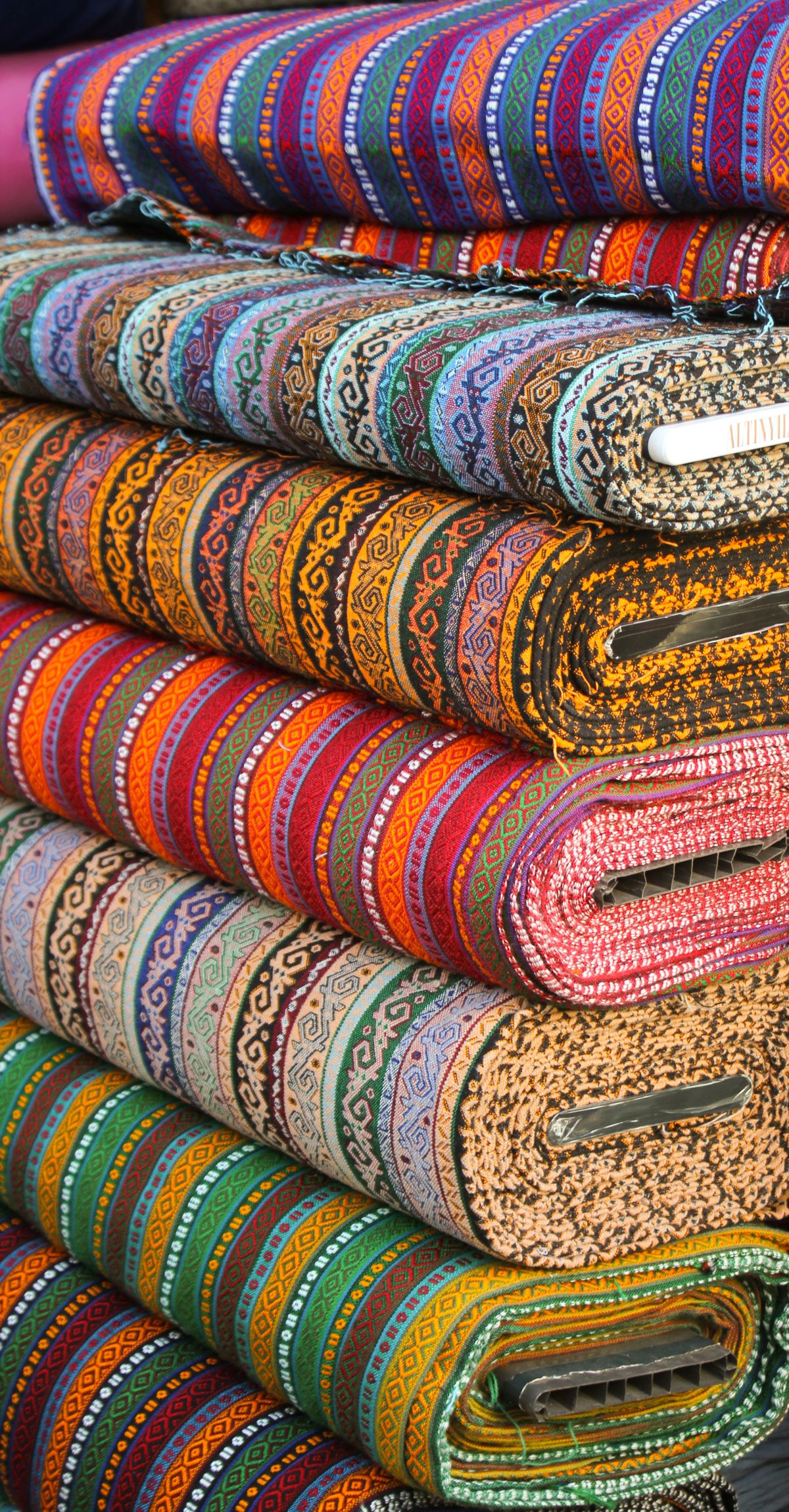
A fascinating look at the entire journey from tiny worm to finished silk.
Photos


What to know before you go
- This spot is a huge win for local heritage. They’re all about keeping ancient Khmer techniques alive while providing solid training and fair wages for local craftspeople. You aren't just buying a souvenir; you’re backing a program that keeps these incredible traditional skills from fading away.
- The main highlight is the walk-through tour. You’ll see the mulberry bushes, the hungry silkworms spinning their cocoons, and the mesmerizing pace of the weavers working those massive, clacking looms. Seeing someone pull a finished design out of a tangle of threads is honestly kind of hypnotic.
Culture, safety & access
Culture & etiquette
The weavers are working, not performing—keep the chatter down and respect their focus. A friendly smile goes a long way.
Safety & health
Totally safe. Just watch where you’re walking in the garden areas and don’t touch the equipment unless invited.
Weather
It’s an open-air setup in parts; if it’s pouring rain, you’ll be ducking under roofs, but the weaving areas are covered and dry.
Dress Code
Casual, but keep it modest out of respect for the working environment; shoulders and knees covered is the standard move.
Best Time to Visit
10:00 or 14:00 — go when the weavers are in full swing so you actually get to see the action happening at the looms.
Accessibility
Pretty decent; most of the paths are flat, making it one of the more accessible spots in the Siem Reap area compared to the temple ruins.
Public Transport
A tuk-tuk trip from Siem Reap town takes about 20 minutes (roughly ៛20k to ៛40k one way).