Tonle Sap Lake
Southeast Asia’s largest freshwater lake and a shifting, seasonal lifeline.
Photos
What to know before you go
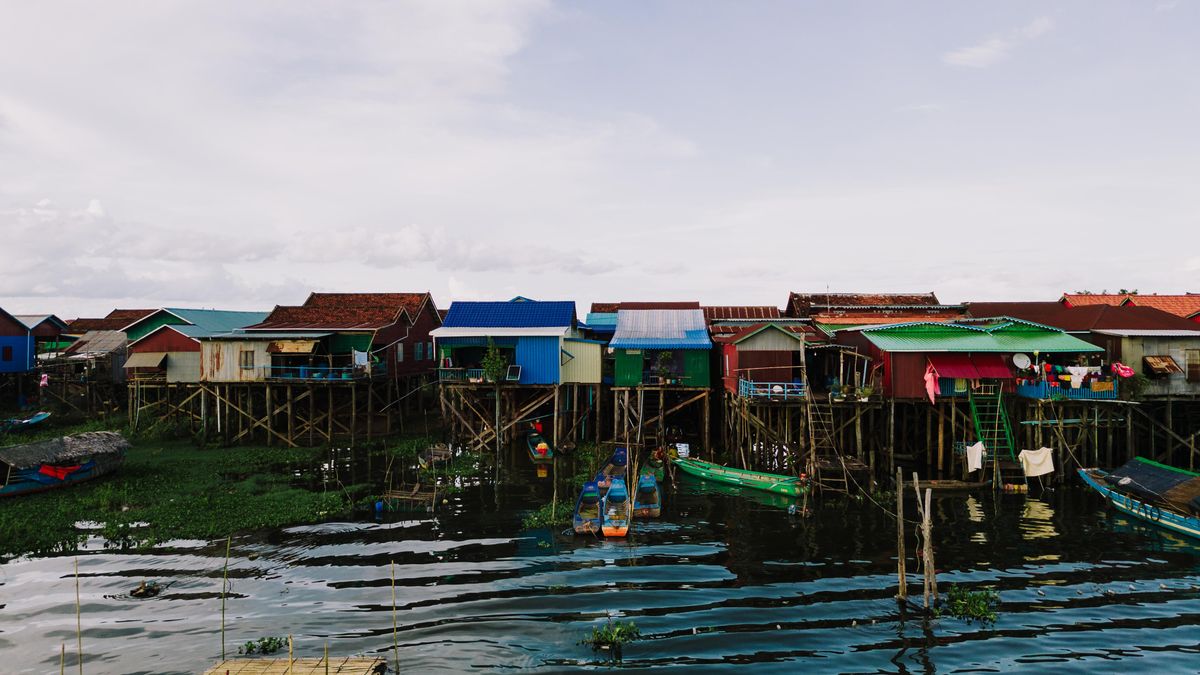
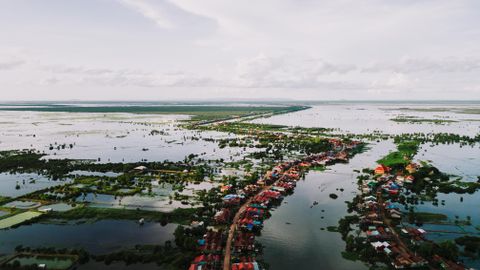
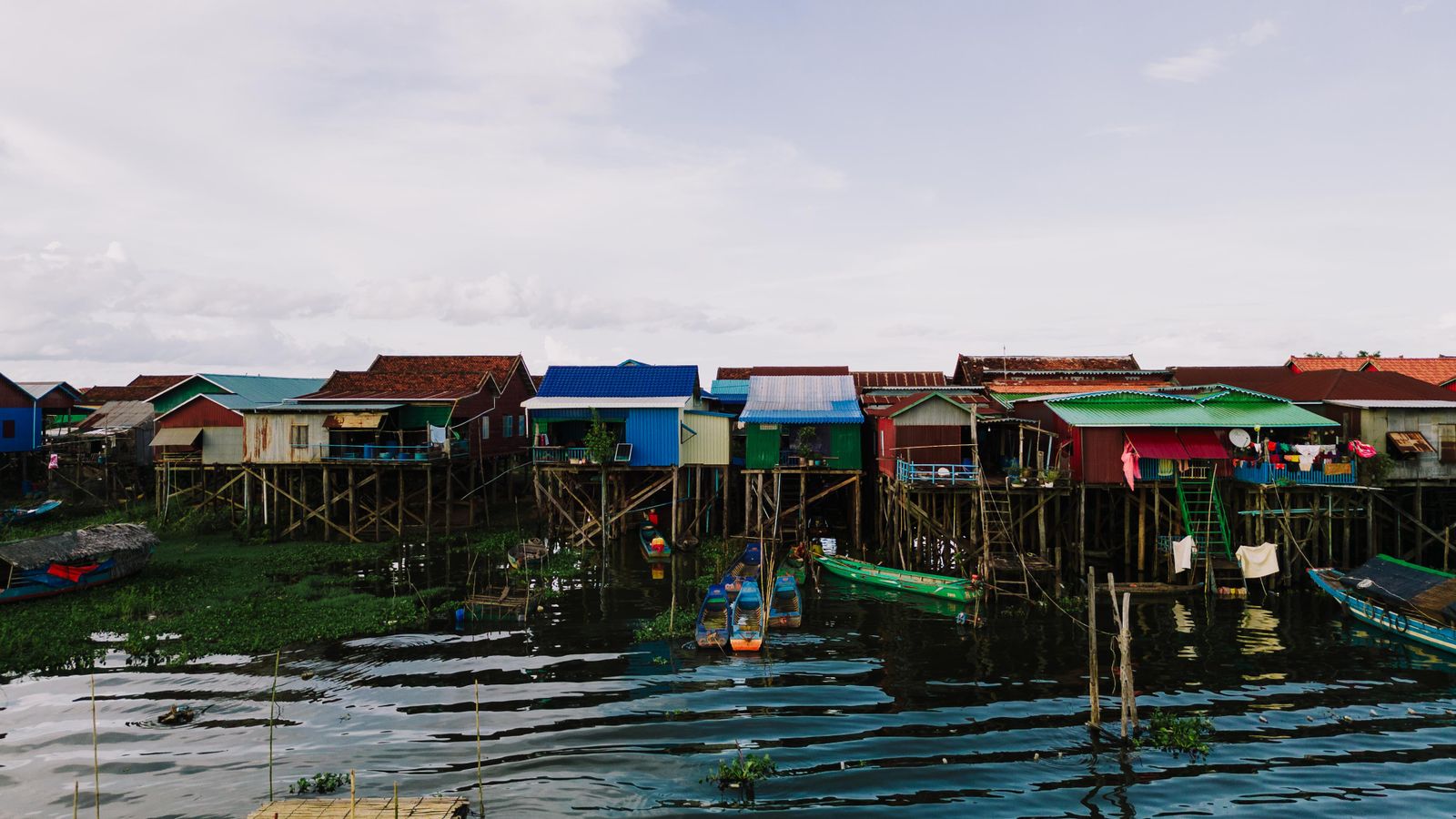
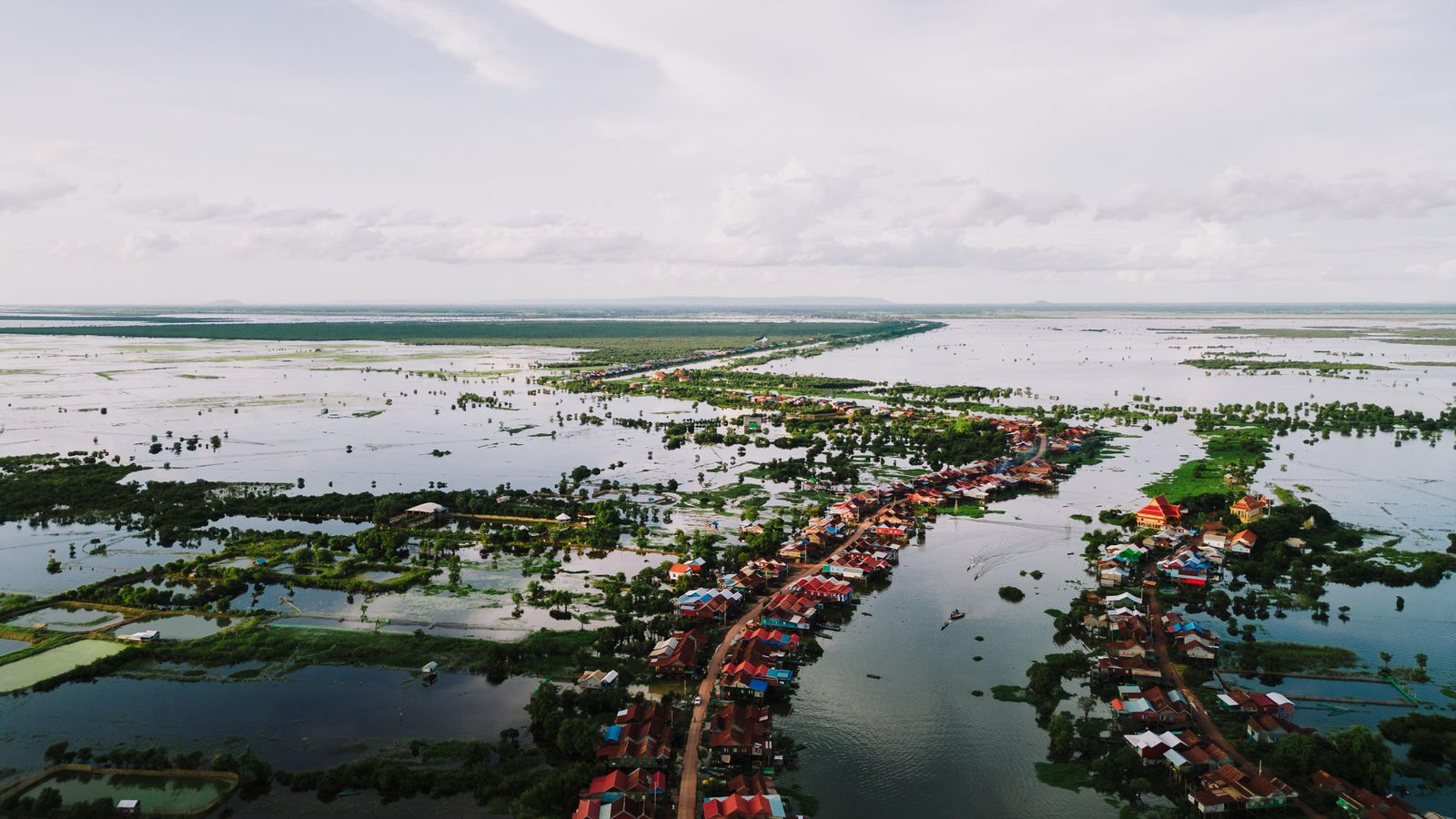
- The lake is a UNESCO Biosphere Reserve, vital to Cambodia's survival. Entire villages move, expand, and contract with the rising and falling waters, creating a surreal landscape where schools, markets, and police stations all drift on the surface.
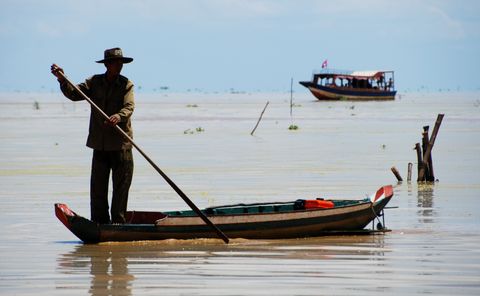
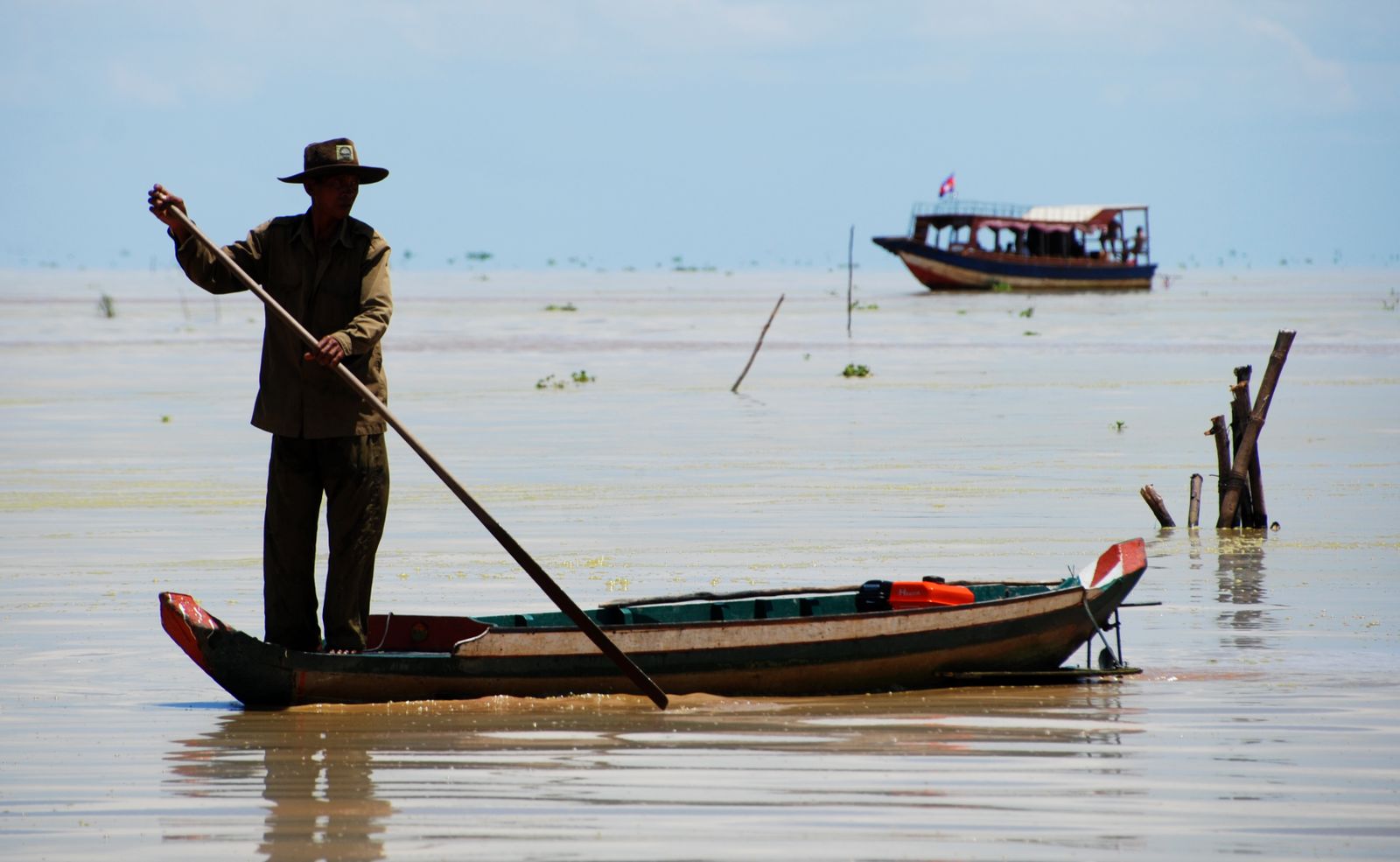
- The main highlight is the boat journey through the flooded forests or stilt villages. Seeing how these communities adapt—paddling to school, fishing in the mangroves, and living entirely on the water—offers a perspective on resilience you won't find anywhere else in the region.
Culture, safety & access
Culture & etiquette
Don’t be the tourist with the invasive lens. Always ask before snapping photos of people in their homes, and throw a quick "arkun" (thank you) their way if they let you look around.
Safety & health
Avoid the aggressive touts at the main docks. Book your boat through your hostel or a local friend to make sure you’re actually getting a fair price and not some weird "tourist trap" detour.
Weather
The water levels are a wild card; if it’s the peak of the dry season, some smaller channels might be too shallow for boats to pass through.
Dress Code
Keep it respectful—cover your shoulders and knees. You’ll be in the sun all day, so a light linen shirt and a hat are your best friends.
Best Time to Visit
Early morning (07:00) — the light is soft, the water is calm, and you beat the soul-crushing afternoon heat.
Accessibility
Not a chance. You’re dealing with steep, wobbly wooden docks and narrow boat entries; it’s definitely not built for wheelchairs.
Public Transport
Grab a tuk-tuk from town—it’s the classic way to go, costing around ៛20k to ៛40k depending on your haggling skills.