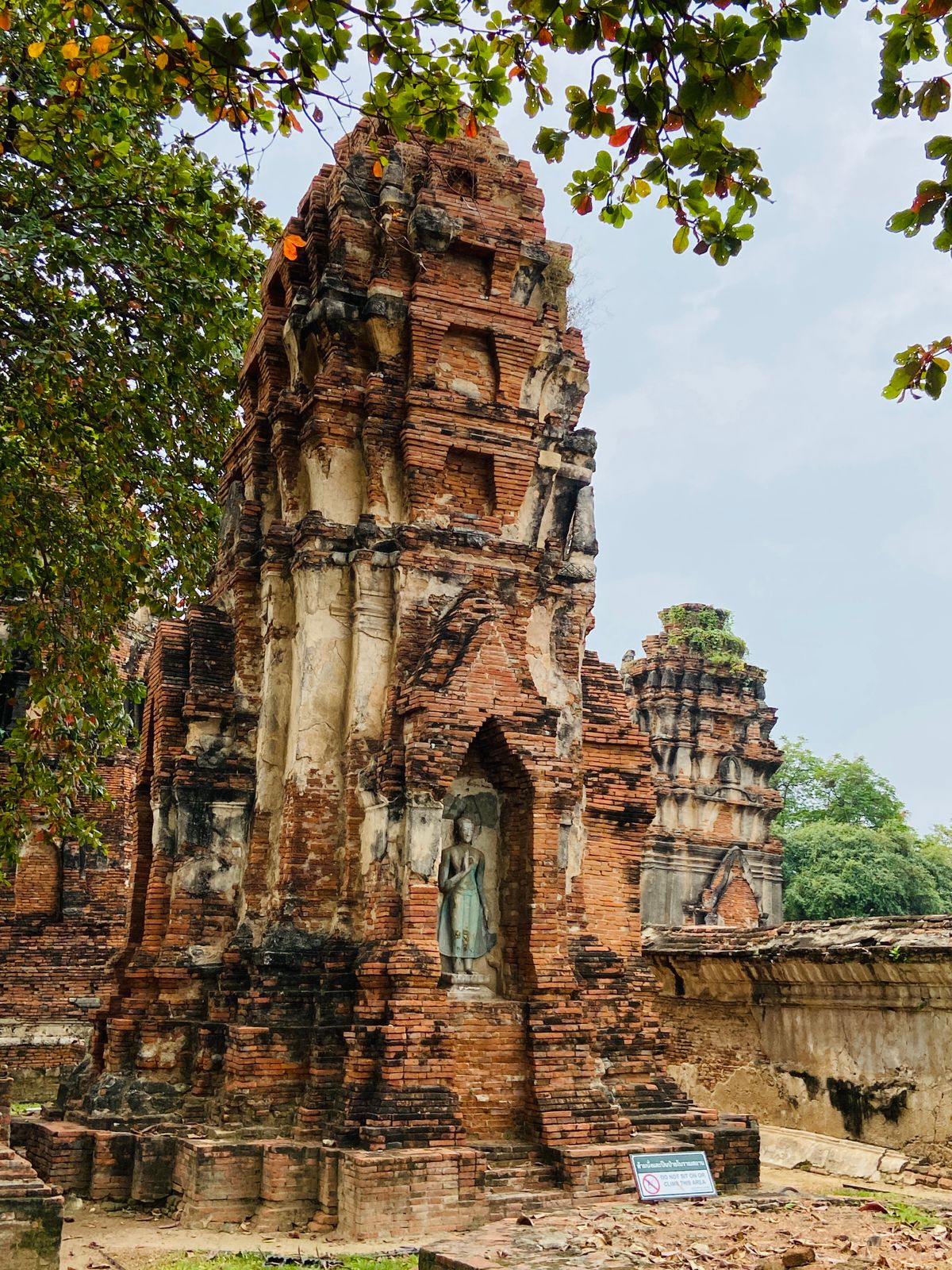
Wat Mahathat
วัดมหาธาตุ
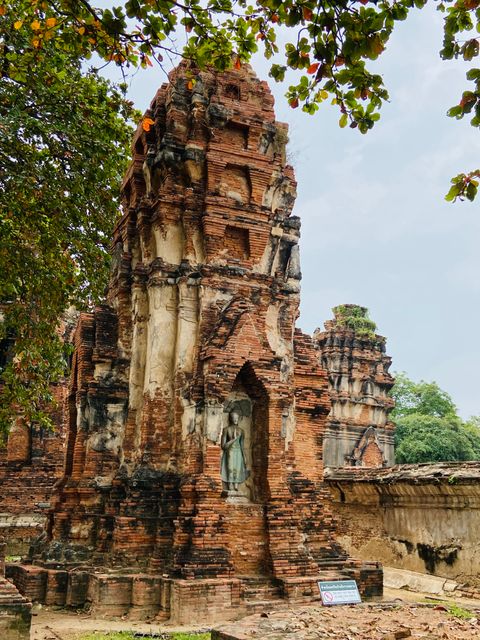
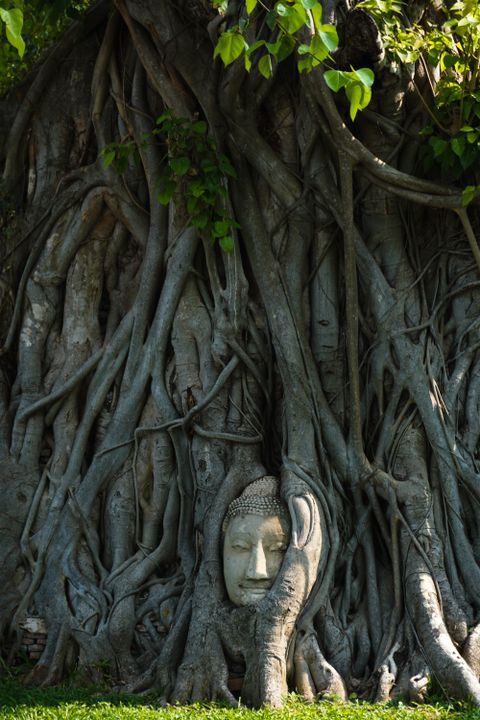
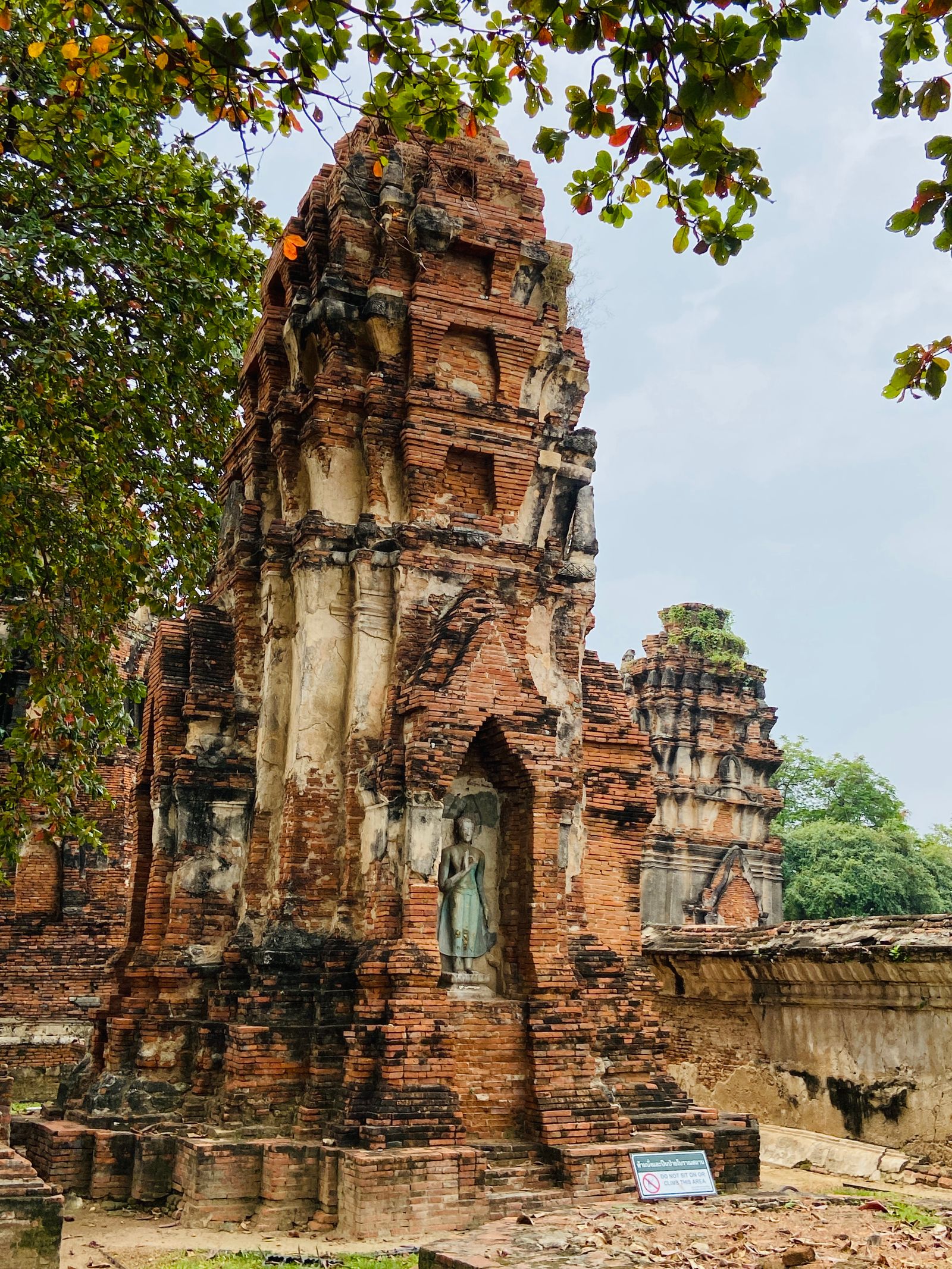
A historic Ayutthaya temple ruin famous for the iconic Buddha head entwined in tree roots and its atmospheric ancient prang.
Photos
What to know before you go
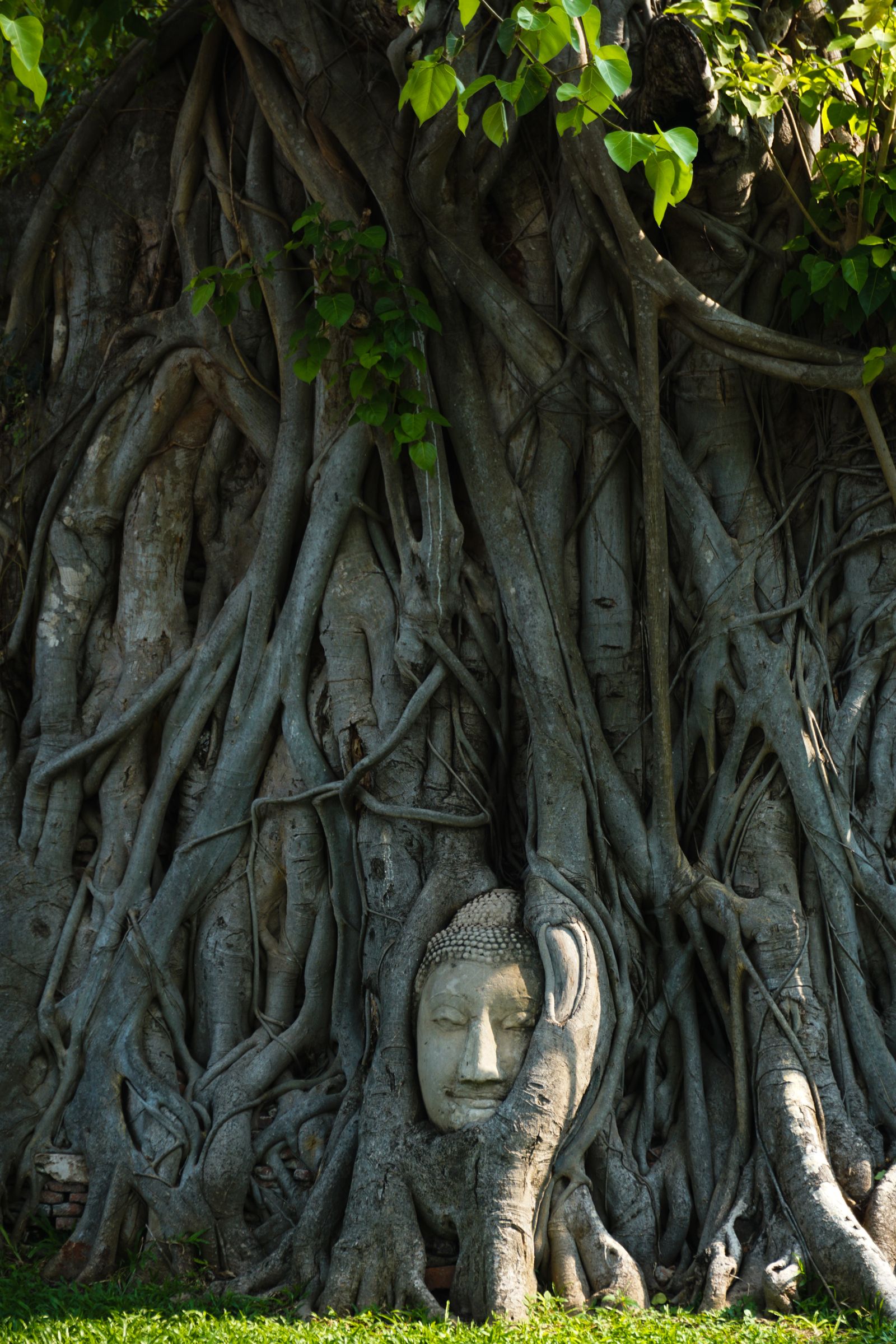
- Wat Mahathat is one of Ayutthaya’s most photographed temples and a highlight of the Ayutthaya Historical Park. Its most famous feature is the Buddha head naturally enclosed by the roots of a bodhi tree, a scene that has become a symbol of Thailand’s ancient capital.
- The temple was likely established in the late 14th century and once served as an important religious center and the seat of the Supreme Patriarch. Much of the original structure was damaged during the Burmese invasion of 1767, but the remaining prang, chedis, and ruins still convey the scale and importance of the site.
- For solo travelers, Wat Mahathat is easy to visit independently, especially by bicycle, tuk-tuk, or Grab from central Ayutthaya. The site is compact, walkable, and generally safe during daytime hours, making it a practical stop to pair with nearby ruins.
Culture, safety & access
Culture & etiquette
Dress modestly, speak quietly near sacred ruins, and never pose disrespectfully with Buddha images.
Safety & health
Very manageable for solo travelers in daylight, but avoid isolated areas after dark and stay aware of traffic around the park roads.
Weather
Hot midday temperatures and rainy-season showers can make the site less comfortable; mornings are best year-round.
Wheelchair Accessibility
Partial access only; some main paths are flat, but many areas are uneven, grassy, or stepped.
Visitor Guidelines
Dress modestly, avoid climbing on ruins, and be respectful when photographing Buddha images.
Safety Measures
Daytime visits are generally safe; keep valuables secure and watch for uneven ground and low barriers.
Parking Info
Paid parking is typically available nearby, with tuk-tuks and bike parking commonly used by visitors.
Public Transport
Accessible by tuk-tuk, bicycle, or ride-hailing from Ayutthaya city center and the train station area.