Cultural HeritageHistorical SiteWar Memorial
Cu Chi Tunnels
Địa Đạo Củ Chi
4.5From ₫110,000 VND3-4 hours (including travel from HCMC)
Chirido Lai
Vietnam's most significant WWII underground tunnel network — 250 km of tunnels used by Viet Cong guerrillas as hidden bases, hospitals, and supply routes during the Vietnam War.
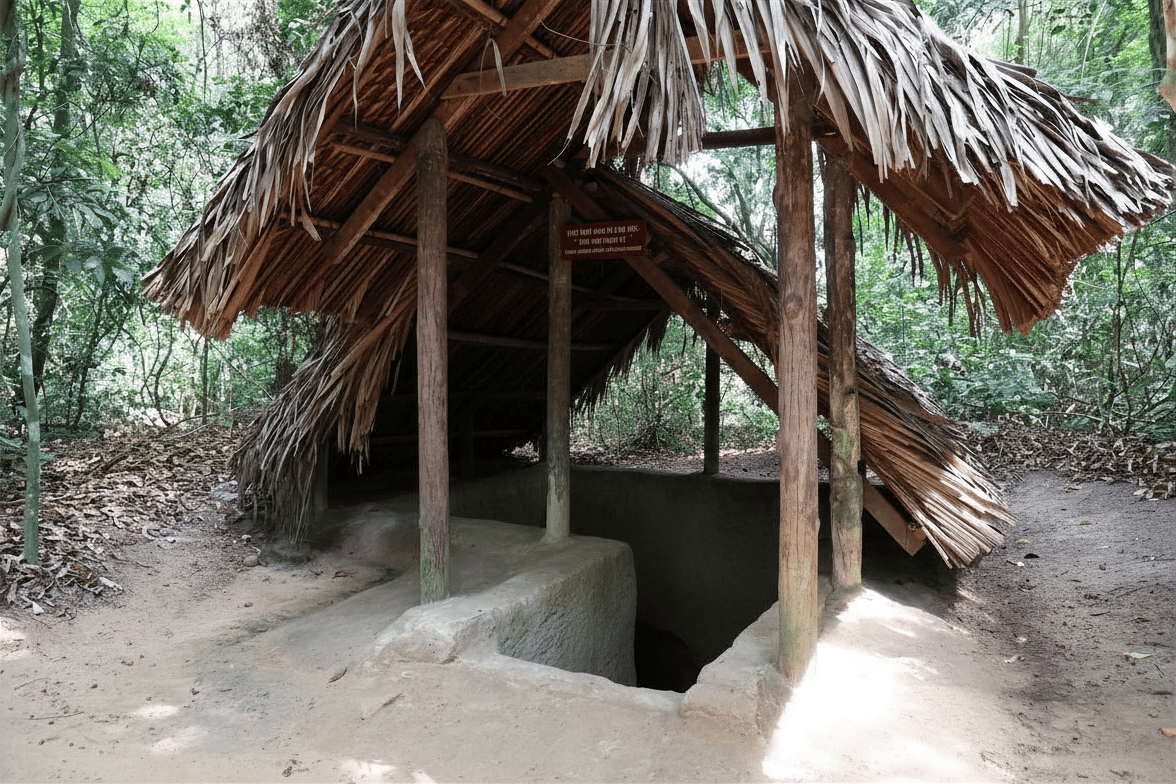
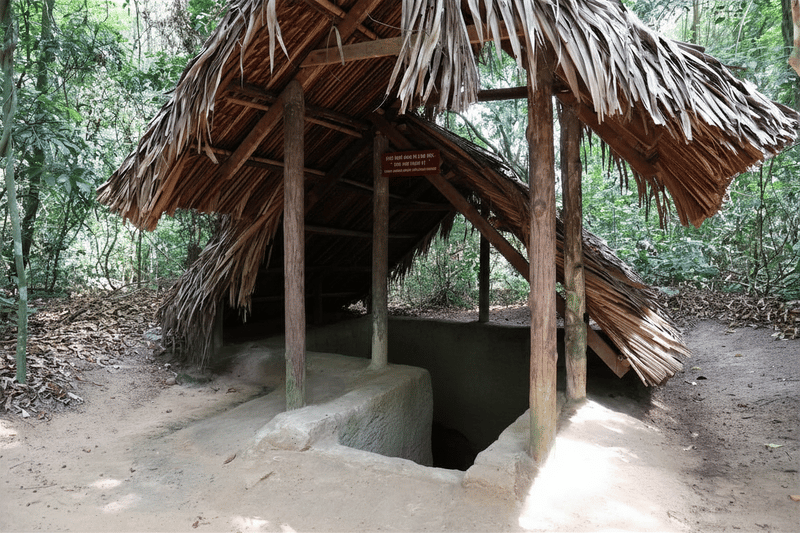
The Cu Chi Tunnels are an extraordinary engineering feat of the Vietnam War — an interconnected network stretching 250 km beneath the Cu Chi district, running from Saigon's outskirts to the Cambodian border. Constructed by Viet Cong guerrillas beginning in the 1940s and massively expanded through the 1960s, the tunnels served as complete underground communities housing thousands of troops, with kitchens, hospitals, weapons factories, and command centers concealed beneath American-occupied territory. Today, two sites are open to the public: Ben Dinh (more accessible, 50 km from HCMC) and Ben Duoc (more authentic, 70 km from HCMC). Visitors can crawl through widened tunnel sections, see wartime artifacts, and watch documentary footage.
Gallery
Photos


What to know before you go
- The Cu Chi Tunnels extend 250 km beneath the Cu Chi district, built by Viet Cong guerrillas starting in the late 1940s and expanded through the Vietnam War. At peak operations, the network housed entire underground communities of thousands of soldiers.
- Underground rooms included sleeping quarters, a field hospital, kitchens with smoke-diffusing systems, weapons workshops, and command centers — all concealed just meters below American patrols. The ingenuity of the construction, with trapdoors, ventilation shafts, and booby traps, was extraordinary.
- Two sites are open for visitors: Ben Dinh (the more touristy option, tunnels widened for international visitors) and Ben Duoc (more historically intact). Both have a shooting range where visitors can fire period weapons. Half-day and full-day guided tours from HCMC are widely available.
Good to know
Culture, safety & access
Culture & etiquette
Crowd: Tour buses arrive en masse at 9-11 AM. Go on morning tours departing 7-8 AM for fewer crowds.Best season: November to April (dry season) when heat is more bearable underground.
The tunnels are a war memorial — show respect for the historical significance. Photography allowed throughout.
Safety & health
Narrow tunnels can be claustrophobic — skip if you have severe claustrophobia. Wear dark, lightweight clothing. Bring water as it's very warm underground.
Weather
Open year-round. Avoid rainy season days — tunnels can flood slightly and paths become muddy.
From the Journal
