Hue's iconic river, known for scenic cruises, imperial history, and peaceful views of the city's cultural landmarks.
Photos


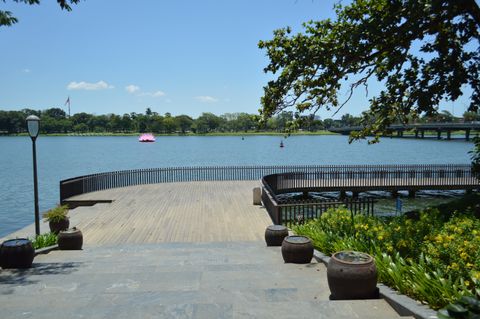


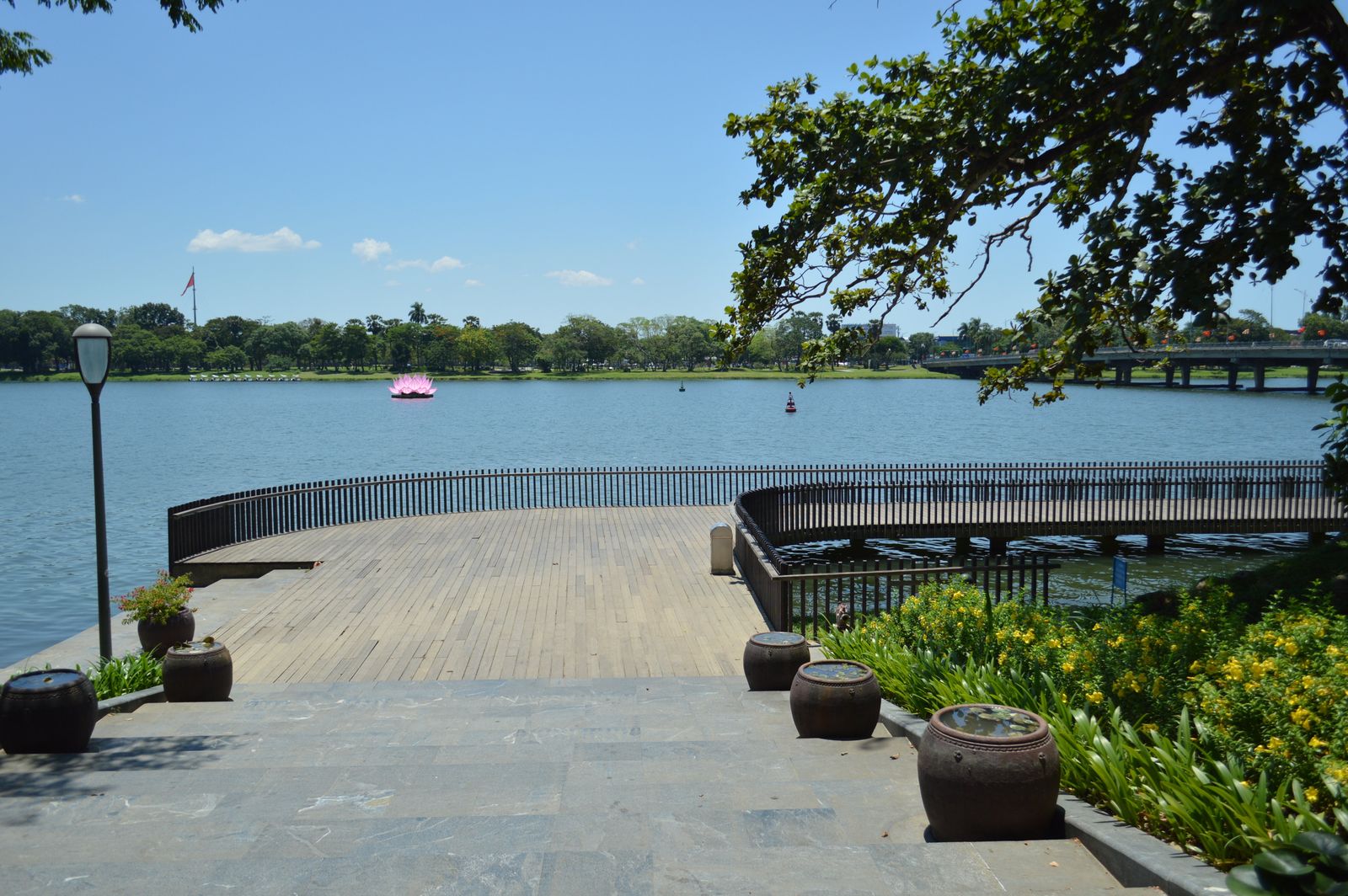
What to know before you go
- The Perfume River is the defining natural feature of Hue and one of the city's most recognizable symbols. Its name is commonly said to come from fragrant flowers and forest products carried downstream in autumn, though local explanations vary.
- The river is central to Hue's identity as a former imperial capital. A walk along the riverbanks or a short dragon boat ride gives solo travelers an easy way to see the city's landmarks, enjoy sunset light, and experience Hue at a slower pace. It is especially popular for evening strolls near Truong Tien Bridge, river cruises to Thien Mu Pagoda, and photography.
Events & festivals here
- 13/06Hue Festival
Culture, safety & access
Culture & etiquette
Dress casually but respectfully, especially if you plan to visit pagodas or temples along the Perfume River. Bargaining is generally acceptable for boat rides when prices are not clearly posted.
Safety & health
Stay on lit riverfront sections at night, use Grab or a known taxi for return trips, and do not accept unsolicited boat offers without confirming the route and total cost
Weather
Best experienced in dry season; heavy rain can reduce visibility, raise water levels, and limit boat operations
Riverfront Access
The main river promenade areas are generally walkable, but some sections have uneven pavement and steps.
Solo Traveler Safety
Best visited in daylight or early evening; the busiest waterfront areas are usually the safest and easiest for solo exploration.
Boat Ride Safety
Use licensed boat operators and agree on the total price before boarding. Avoid unofficial touts around tourist piers.
Public Transport
Easy to reach by taxi, Grab, bicycle, or on foot from central Hue hotels and the Imperial City.
Crowd Tips
Visit at sunrise or before sunset to avoid peak crowds and get the best light for photos.