Table of Contents15 sections
- 1What Makes Ha Giang Special?
- 2How to Get to Ha Giang
- 3Best Time to Visit Ha Giang
- 3.1January – March: Spring and Flower Season
- 3.2April – May: Watering Season
- 3.3June – August: Green Season
- 3.4September – October: Rice Harvest Season
- 3.5October – December: Buckwheat Flower Season
- 4Recommended Ha Giang 3 Days 2 Nights Itinerary
- 4.1Day 1: Ha Giang City – Quan Ba – Yen Minh – Dong Van
- 4.2Day 2: Dong Van – Hmong King’s Palace – Ma Pi Leng Pass – Meo Vac
- 4.3Day 3: Meo Vac – Du Gia – Ha Giang City
- 5Ha Giang Travel Cost: How Much Does a 3-Day Trip Cost?
- 6Essential Ha Giang Travel Tips
- 7Ha Giang Travel FAQs
ocated in Vietnam’s far north, Ha Giang is one of the country’s most spectacular destinations for travelers seeking dramatic landscapes, authentic local culture and an off-the-beaten-path experience.
Today, let’s discover Ha Giang with our 2026 travel guide, including the best time to visit, how to get there, a 3-day itinerary, costs and travel tips.
What Makes Ha Giang Special?
Unlike Vietnam’s major beach destinations or bustling cities, Ha Giang is best known for its towering limestone mountains, winding mountain roads, deep valleys, terraced rice fields and ethnic minority communities.
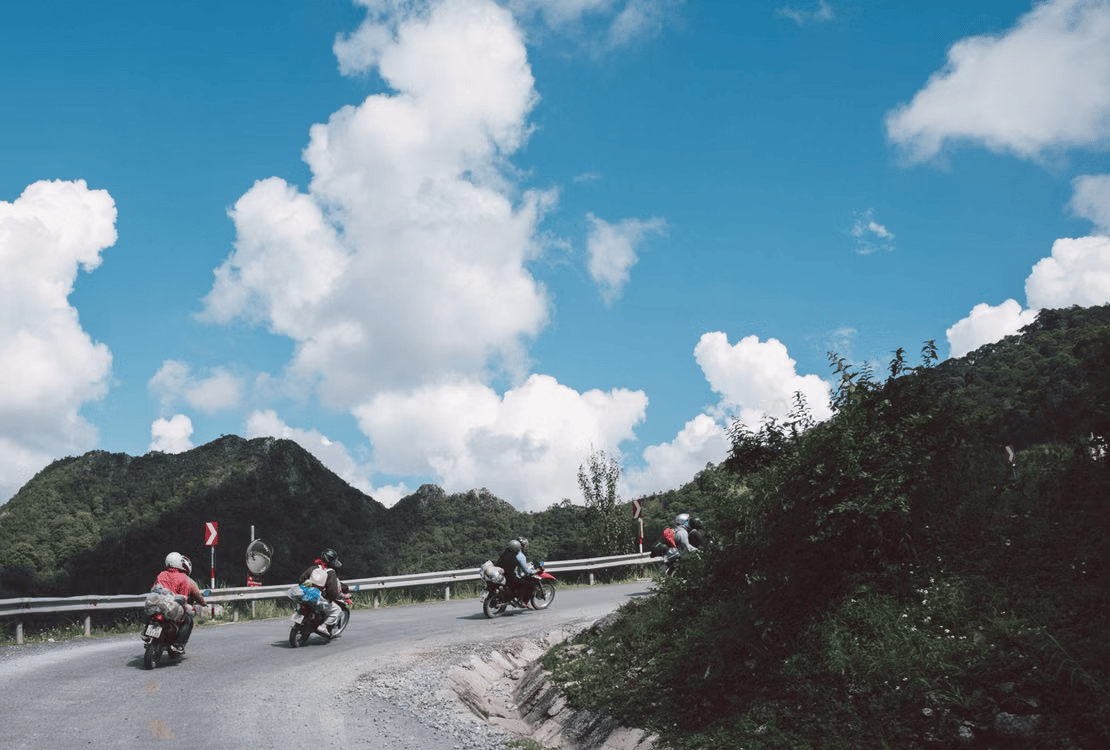
The highlight of any trip is the famous Ha Giang Loop, a scenic route through the northern provinces of Vietnam. The classic route passes through Quan Ba, Yen Minh, Dong Van and Meo Vac, with spectacular viewpoints and cultural experiences along the way.
Here are some of the places and experiences you should not miss:
Quan Ba Heaven Gate: One of the first major viewpoints on the Ha Giang Loop, offering panoramic views of the surrounding mountains and valleys.
Quan Ba Twin Mountains: One of Ha Giang’s most recognizable natural landmarks.
Dong Van Old Quarter: A charming historic area where travelers can experience the atmosphere of a traditional highland town.
Hmong King’s Palace: A historic residence showcasing the architecture and history of the Hmong community.
Ma Pi Leng Pass: One of the most spectacular mountain passes in Vietnam, connecting Dong Van and Meo Vac.
Nho Que River: A striking emerald-green river winding through towering limestone cliffs.
Tu San Canyon: A dramatic canyon associated with the Nho Que River and one of the highlights of the Ha Giang Loop.
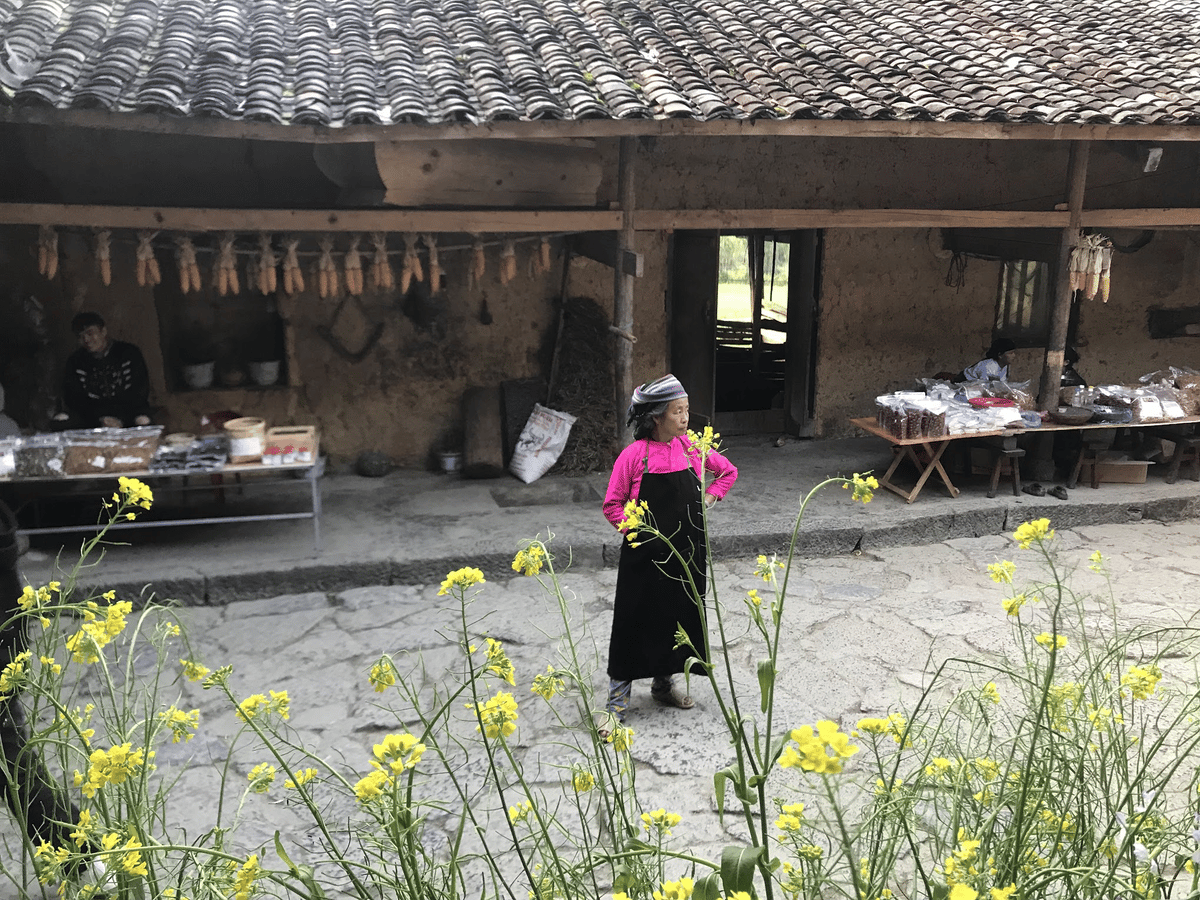
Local ethnic villages: Opportunities to experience the traditional lifestyles and cultures of the Hmong, Dao, Tay, Nung and other ethnic communities.
How to Get to Ha Giang
Most travelers begin their Ha Giang journey in Hanoi, traveling to Ha Giang City before starting the Ha Giang Loop.
Transportation | Travel time | Price | Pros and cons | Rate | |
From Hanoi to Ha Giang | Bus/ limousine | 6-7 hours | 12$-22$/pax/way | - The most common & budget-friendly option | ⭐⭐⭐⭐⭐ |
Private car | 6-7 hours | 150$ - 200$/car | - Prefer a flexible itinerary | ⭐⭐⭐⭐⭐ | |
Motorbike | 8-9 hours | 5$-10$ | - Possible for experienced riders, but not recommended for inexperienced riders | ⭐⭐⭐ | |
Explore the Ha Giang Loop | Private car with driver | 3 days 2 nights | 190$ - 270$ (4-7 seat car in 3D2N) | - The most comfortable choice for families, couples and private groups | ⭐⭐⭐⭐ |
Motorbike | 3 days 2 nights | 35$ - 55$ in 3D2N | - Ideal for experienced riders who want maximum freedom | ⭐⭐⭐⭐ | |
Easy rider | 3 days 2 nights | 95$ - 120$ in 3D2N | - Experience the loop without having to drive themselves. | ⭐⭐⭐⭐⭐ |
Best Time to Visit Ha Giang
Ha Giang can be visited throughout the year, but each season offers a different experience.
January – March: Spring and Flower Season
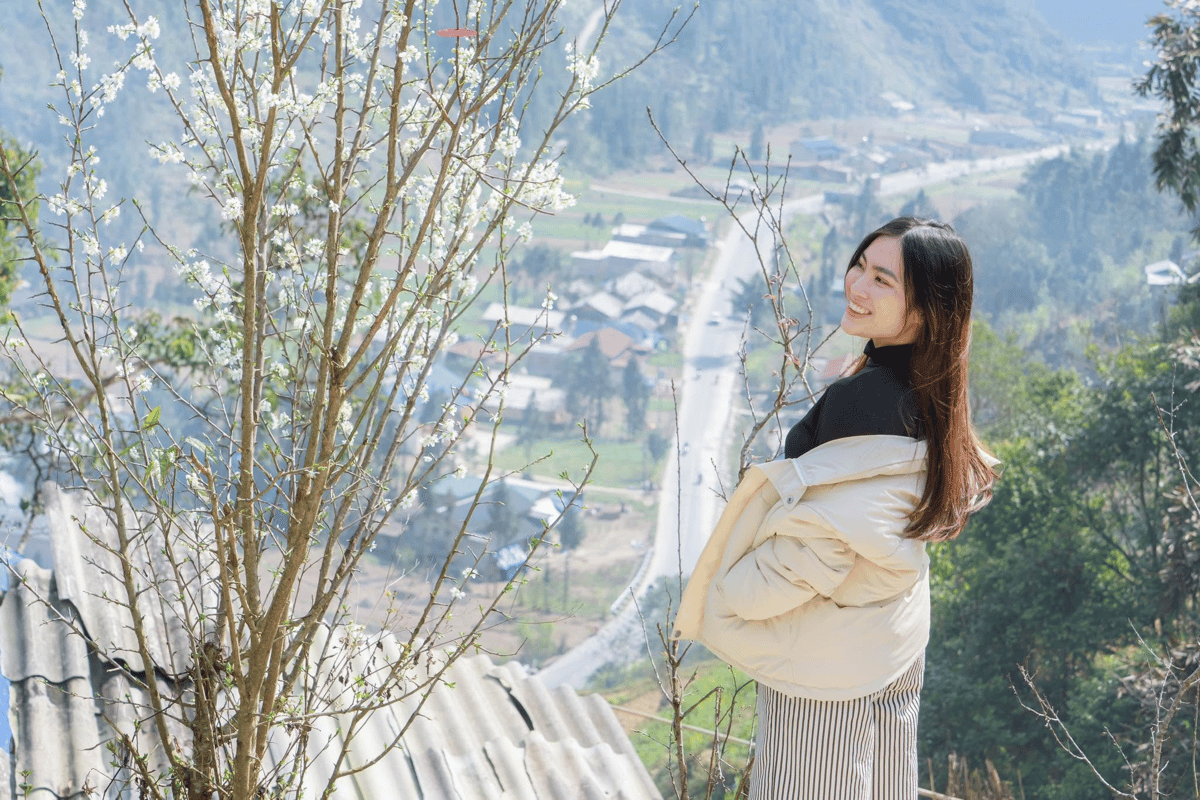
Spring brings colorful peach, plum and pear blossoms to the northern mountains. This is a beautiful time to explore local villages and experience the traditional atmosphere of northern Vietnam. The cooler weather is also suitable for sightseeing and outdoor activities.
April – May: Watering Season
During the agricultural season, terraced fields begin to fill with water before rice planting. The reflections of the sky and surrounding mountains create beautiful landscapes.
This is an excellent period for photography and experiencing rural life.
June – August: Green Season
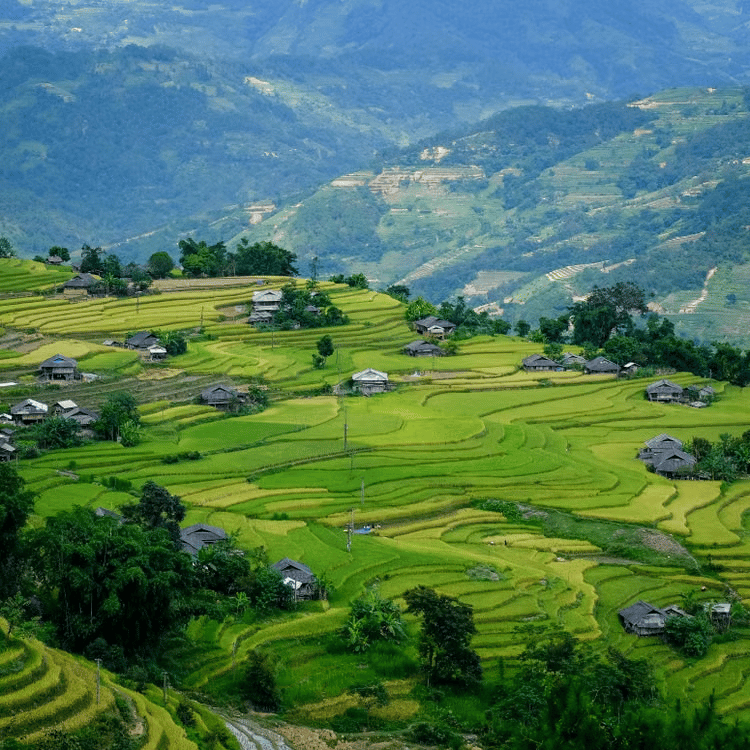
During summer, Ha Giang becomes particularly lush and green. The mountains and valleys are covered in vegetation, creating a refreshing landscape.
However, summer can also bring heavy rain and occasional landslides in mountainous areas, so travelers should check the weather forecast before departure.
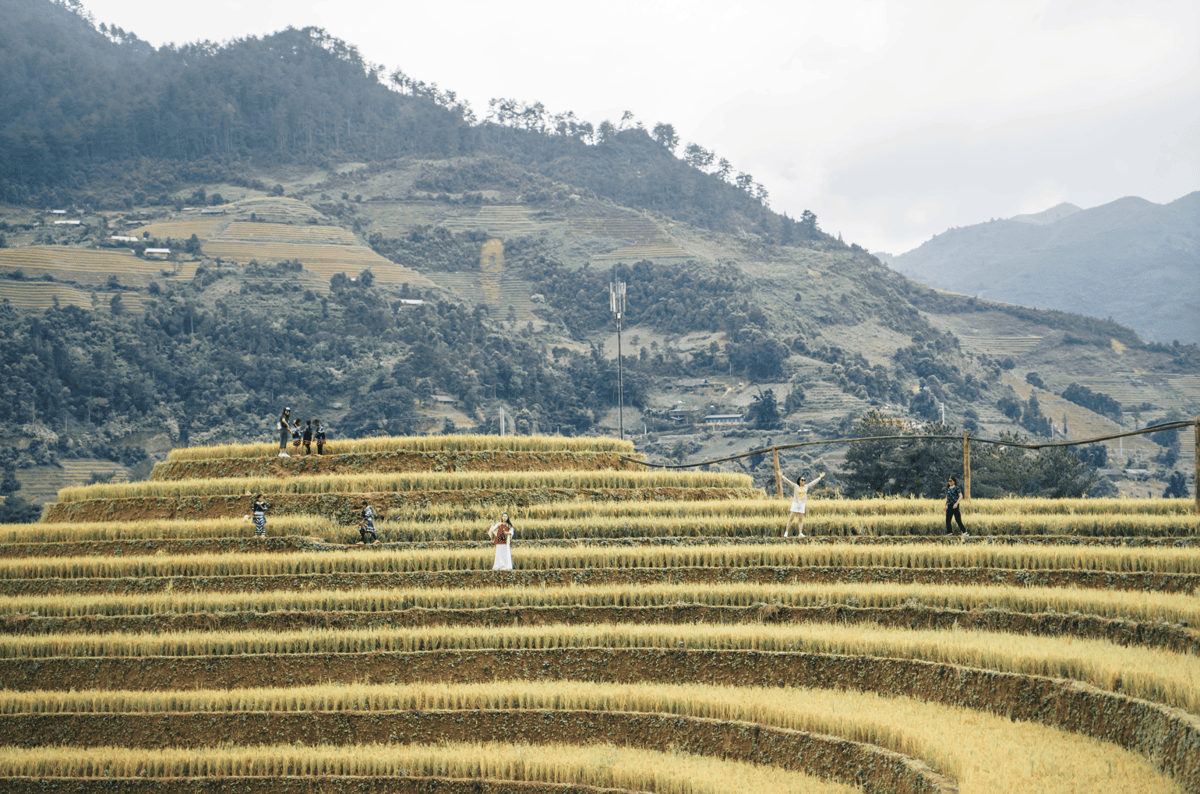
September – October: Rice Harvest Season
For many travelers, September and October are among the best months to visit Ha Giang.
Rice terraces turn golden during the harvest season, creating some of the most impressive landscapes in northern Vietnam.
October – December: Buckwheat Flower Season
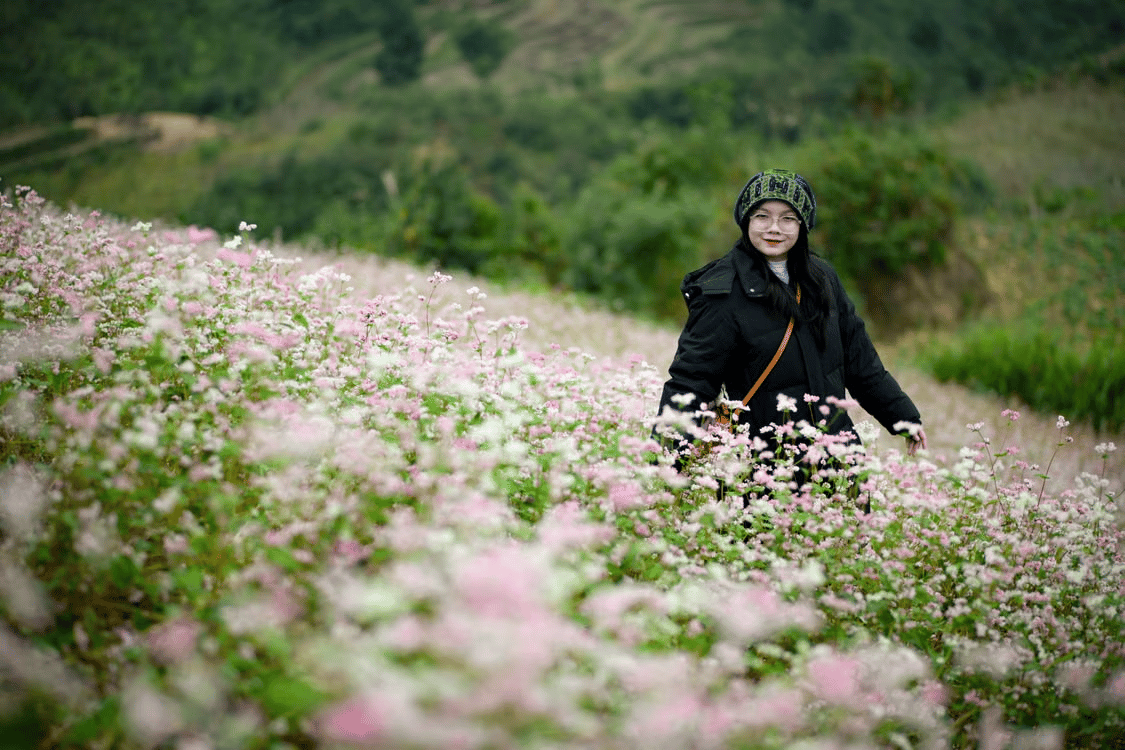
The famous buckwheat flowers are one of Ha Giang's signature attractions.
From around October to November, pink and purple buckwheat flower fields appear across parts of the province, particularly around Dong Van and the surrounding highlands.
So, When Is the Best Time to Visit Ha Giang?
If you want to experience Ha Giang at its most scenic, September to November is an excellent choice, combining favorable weather with either golden rice fields or buckwheat flowers. However, the best month ultimately depends on what you want to see and experience.
Recommended Ha Giang 3 Days 2 Nights Itinerary
If you have limited time, a 3-day, 2-night Ha Giang Loop itinerary is a good introduction to the region.
It allows you to visit the major highlights while keeping the journey relatively comfortable.
Day 1: Ha Giang City – Quan Ba – Yen Minh – Dong Van
Begin your journey in Ha Giang City and follow the northern mountain route toward Dong Van.
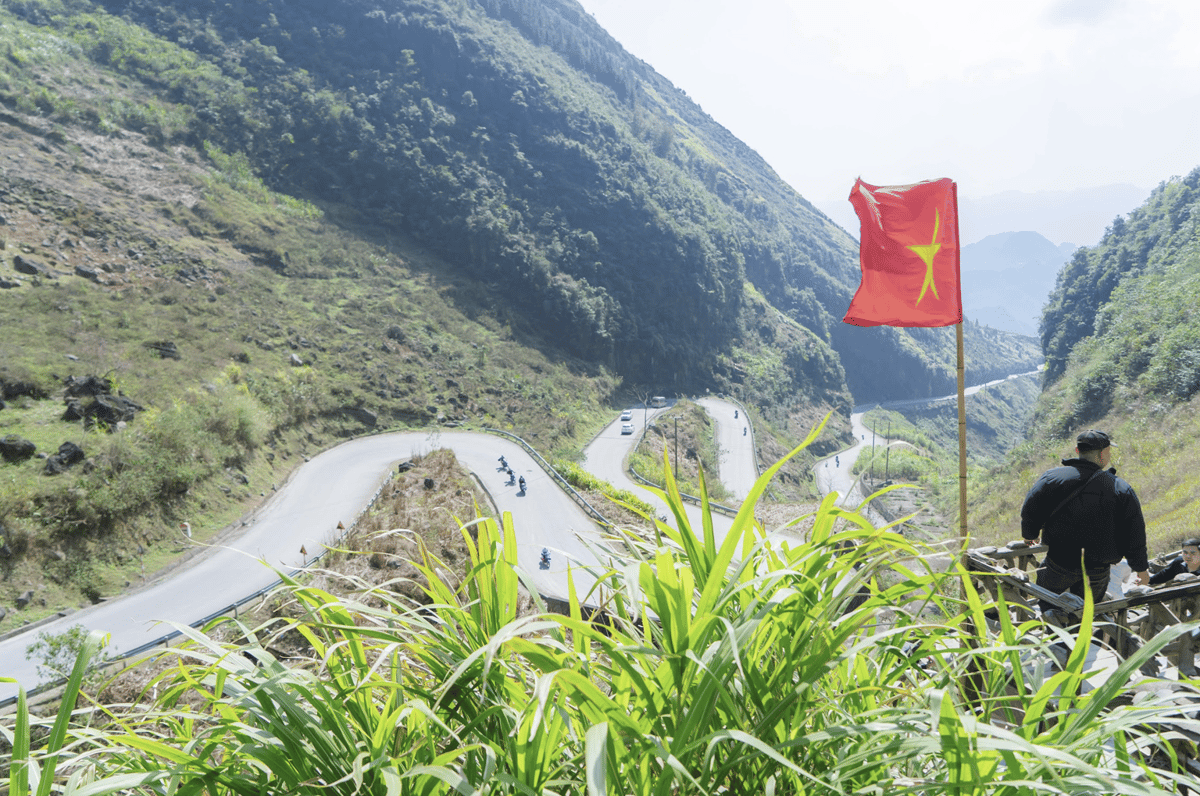
On the first day, you will see a big change in the scenery when you drive into the mountain roads. We will stop at Bac Sum Slope to enjoy the view and have drinks before arrival the town of Quan Ba. The tour takes you through the Dong Van Karst Geopark - a major geoheritage site in Vietnam. You will see a lot of terraced rice fields, thousands of limestone rocks and magnificent views and hidden villages at the Valley. People will be working on the land and you will get a taste of rural north Vietnamese countryside life. Our riders also take you to the Quan Ba Heaven gate & Twin mountains – the famous viewpoint in Ha Giang.
You will have lunch in local restaurant in Yen Minh Town.
Suggestion: Hang Venus Restaurant
After lunch, we drive to Dong Van Town, you will make a stop at Tham Ma Slope. Then we will come to homestay and have dinner in Dong Van Town.
Enjoy the local cuisine at: Ma Pi Leng Restaurant
Overnight in Dong Van.
Day 2: Dong Van – Hmong King’s Palace – Ma Pi Leng Pass – Meo Vac
Day 2 is arguably the most spectacular part of the Ha Giang Loop.
Enjoy breakfast right at the homestay or head to Dong Van Market to experience the bustling early-morning atmosphere and enjoy local dishes such as bun (rice vermicelli) or Pho
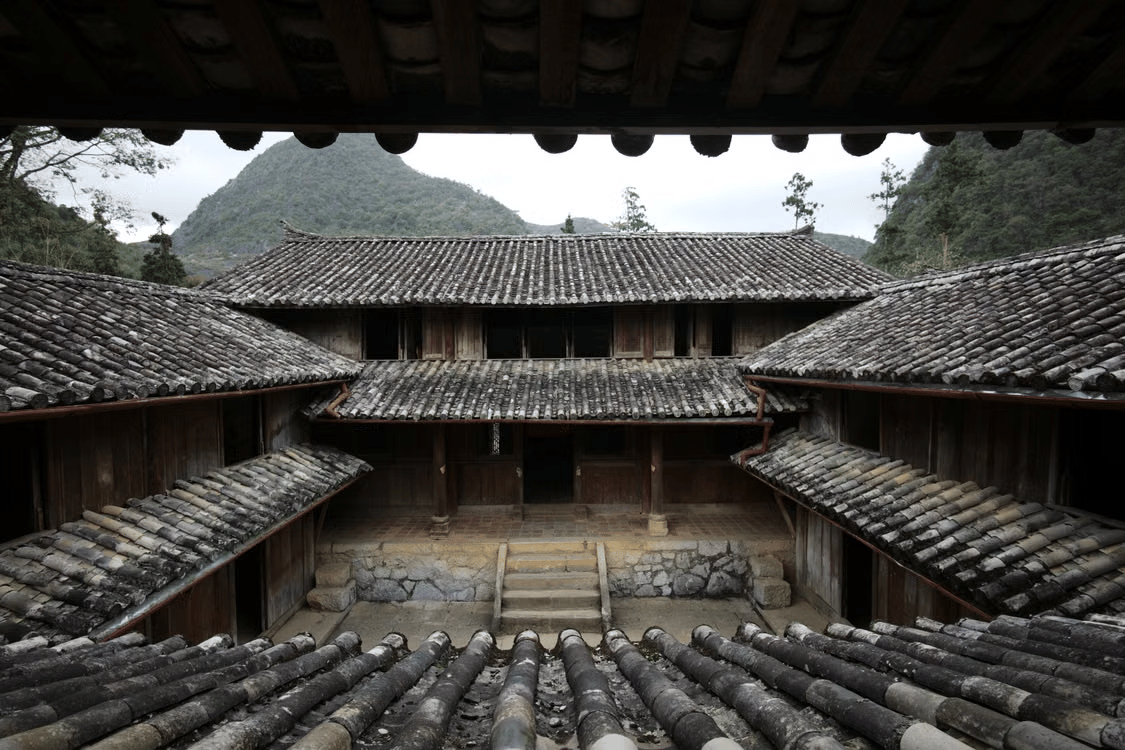
Start the morning with a visit to the Hmong King’s Palace, a historic site that offers insight into the region's history and Hmong culture.
Continue toward Meo Vac via the legendary Ma Pi Leng Pass.
The road offers breathtaking views of limestone mountains, deep valleys and the Nho Que River far below.
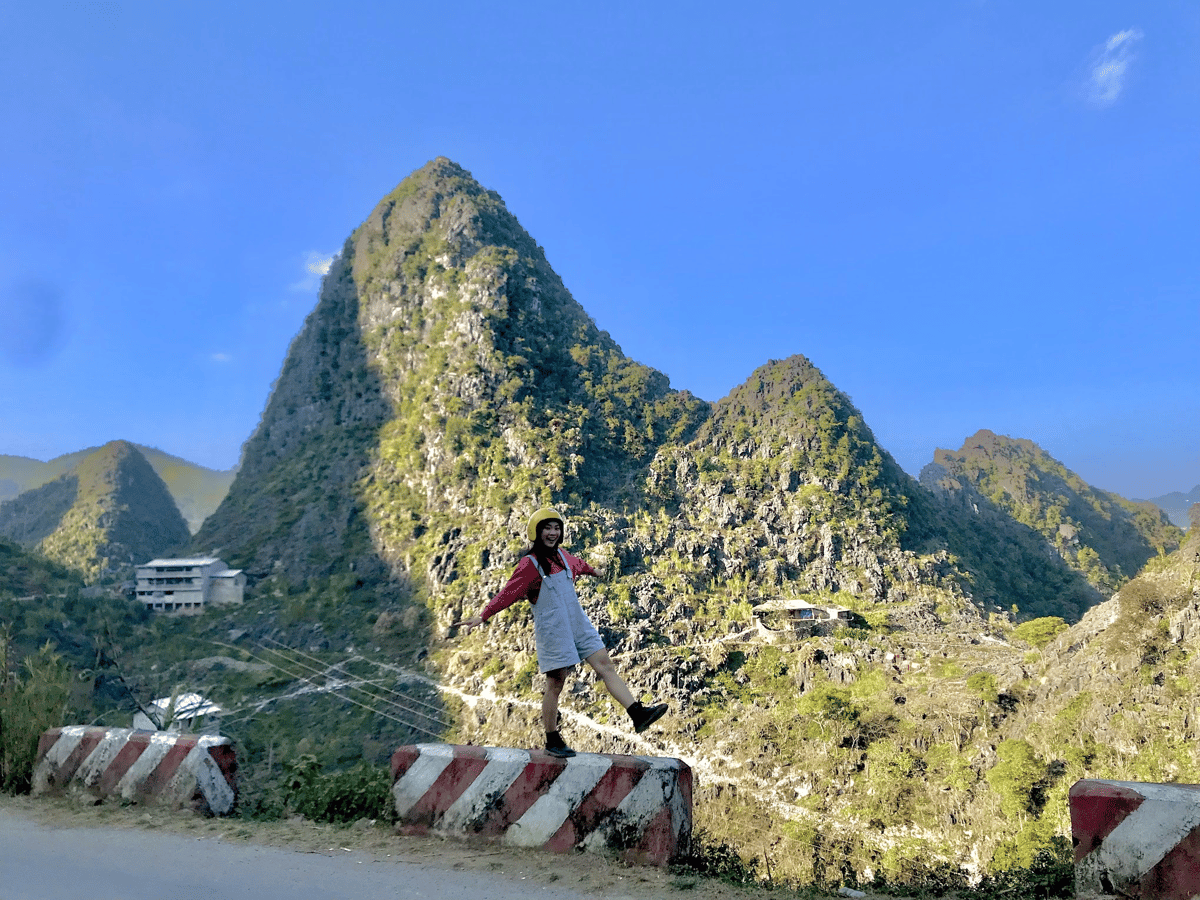
Depending on weather and local operating conditions, travelers can also take a boat trip on the Nho Que River and explore the spectacular Tu San Canyon.
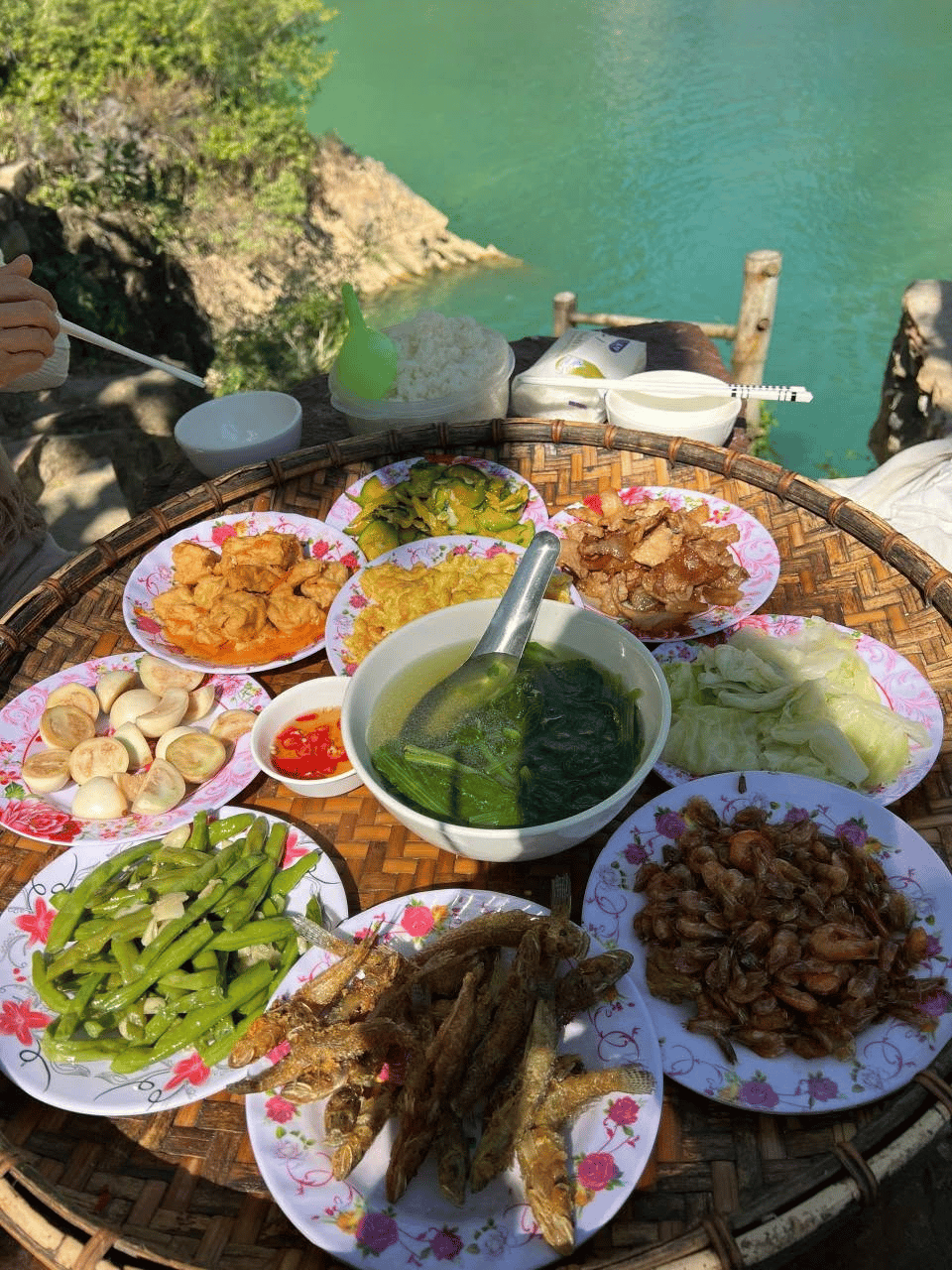
Continue to Meo Vac in the afternoon.
Overnight in Meo Vac or Dong Van.
Day 3: Meo Vac – Du Gia – Ha Giang City
On the final day, take the scenic route from Meo Vac to Du Gia and back to Ha Giang City.
Du Gia offers a quieter and more peaceful side of Ha Giang, with green valleys, rice fields, waterfalls and traditional villages.
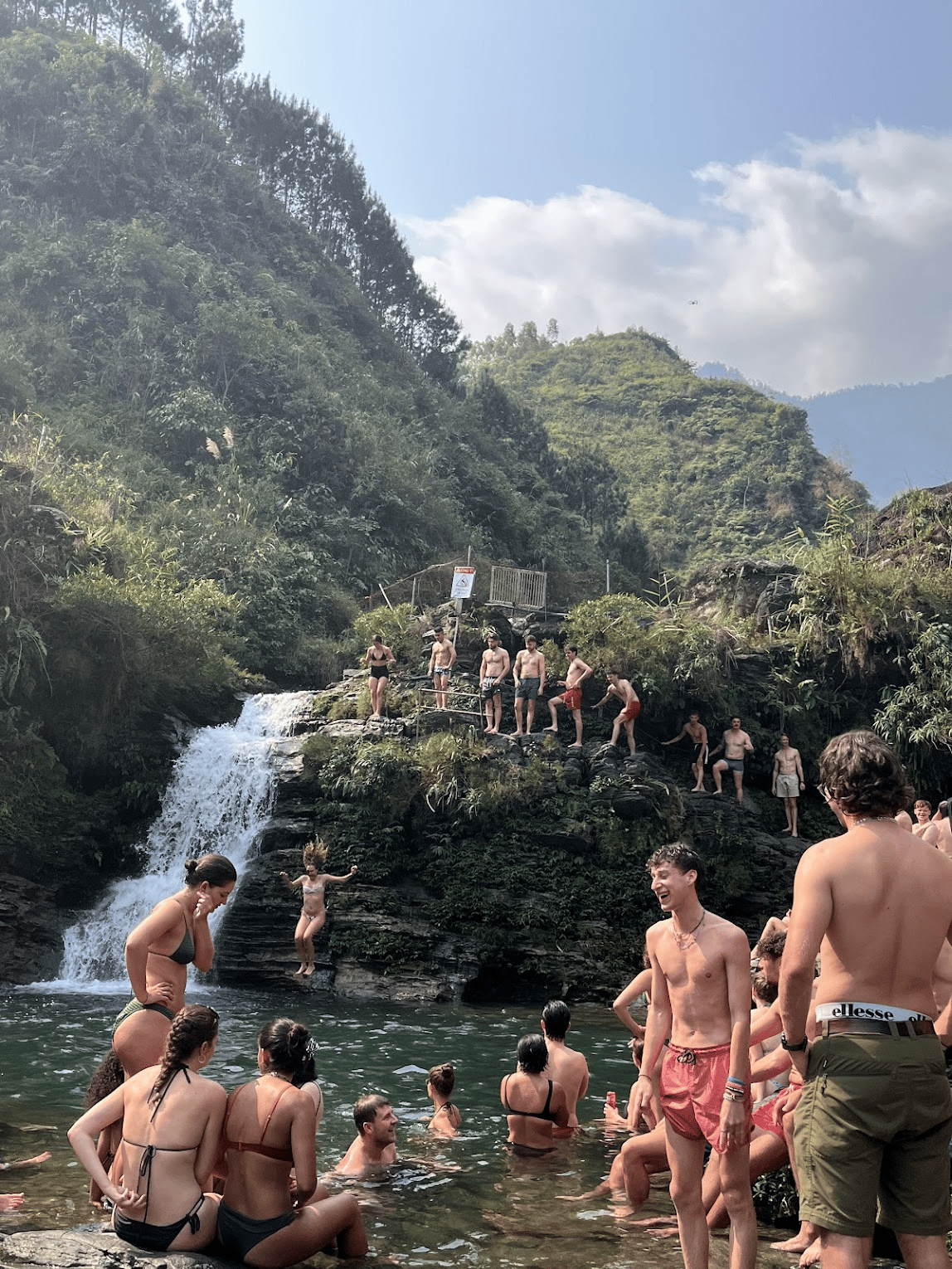
After exploring the area, continue back to Ha Giang City and take your return bus to Hanoi.
Travel Tip: If you want to spend more time in Du Gia rather than simply passing through, consider extending your trip to 4 days 3 nights or 5 days 4 nights.
Ha Giang Travel Cost: How Much Does a 3-Day Trip Cost?
The total cost of a Ha Giang trip varies depending on your choice of transportation, accommodation and activities.
For an independent 3-day, 2-night trip, a rough budget would be:
Expense | Estimated Cost per Person |
Hanoi – Ha Giang – Hanoi transportation | VND 600,000 – 800,000 |
Easy Rider | VND 700,000 – 800,000/day |
Accommodation for 2 nights | VND 800,000 – 1,500,000 |
Food & drinks | VND 500,000 – 800,000 |
Entrance fees & activities | VND 400,000 – 600,000 |
Estimated total | VND 4.5 – 6 million/person |
This budget is a general estimate and can change depending on the season, accommodation category and activities included.
For travelers choosing an Easy Rider, private car or organized tour, the total cost will be higher, but the experience is generally more convenient and comfortable.
Essential Ha Giang Travel Tips
Don't Try to See Everything in One Trip
The distances may look short on a map, but mountain roads can make travel considerably slower than expected.
Instead of rushing from one attraction to another, leave enough time to stop at viewpoints, visit villages and enjoy the scenery.
Check the Weather Before You Go
Weather conditions can change quickly in the mountains.
Heavy rain may affect road conditions and cause delays, particularly during the rainy season. Always check the forecast before starting the loop.
Pack for Changing Temperatures
Temperatures in Ha Giang can be significantly cooler than in Hanoi, particularly early in the morning and at night.
Pack:
A light or warm jacket depending on the season
Comfortable walking shoes
Rain jacket or poncho
Sun protection
Basic personal medication
Small backpack for day trips
Carry Some Cash
Card payments and ATMs are less widely available in remote mountain areas than in major Vietnamese cities. Keep enough Vietnamese cash for meals, accommodation, fuel and small purchases.
Respect Local Culture
Ha Giang is home to many ethnic minority communities.
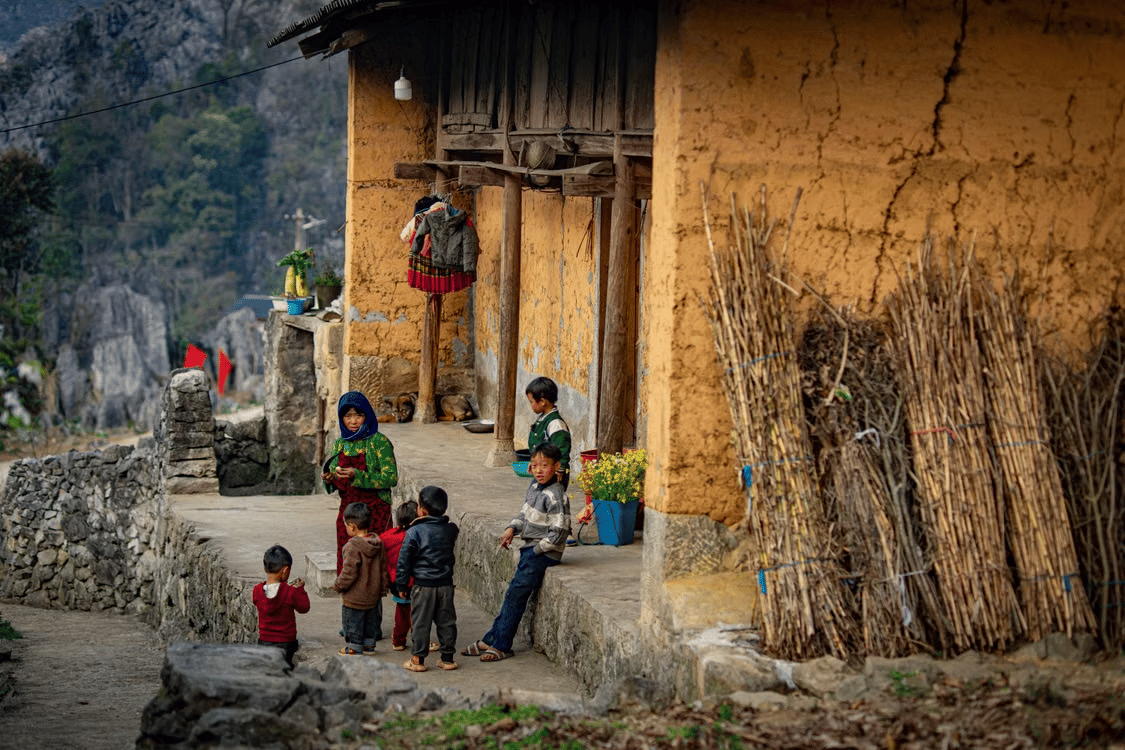
When visiting villages, always respect local customs and private spaces. Ask for permission before taking photographs of people and avoid entering private homes or religious spaces without permission.
Consider an Easy Rider if You Are Not an Experienced Rider
The Ha Giang Loop includes steep mountain roads, sharp bends and changing weather conditions.
An Easy Rider allows you to enjoy the scenery without having to concentrate on driving, making it a particularly good option for first-time visitors.
Ha Giang Travel FAQs
1. How many days do you need in Ha Giang?
3 days 2 nights is enough to see the main highlights of the Ha Giang Loop.
However, 4–5 days is recommended if you want a slower journey, more time in Du Gia and greater opportunities to experience local villages and culture.
2. Is Ha Giang suitable for international travelers?
Absolutely.
Ha Giang is particularly appealing to international travelers looking for nature, adventure, cultural experiences and authentic local communities.
For travelers unfamiliar with Vietnamese mountain roads, an Easy Rider, private car or organized tour is a more convenient option.
3. Is it safe to ride a motorbike in Ha Giang?
Motorbike travel is popular on the Ha Giang Loop, but the roads can be challenging, with steep climbs, sharp turns and unpredictable weather.
Only experienced riders with the appropriate license and confidence on mountain roads should consider riding independently.
4. Ha Giang or Sapa: Which is better?
Both destinations offer spectacular mountain scenery but provide different experiences.
Sapa is a better choice if you want trekking, Fansipan, more developed tourism infrastructure and a wider selection of hotels and restaurants.
Ha Giang is ideal if you want a road-trip adventure, dramatic mountain passes, limestone landscapes and a more remote cultural experience.
If you have enough time, you can also combine Hanoi, Ha Giang and Sapa into a longer northern Vietnam itinerary.
5. Is Ha Giang worth visiting?
Definitely.
Ha Giang is one of the best destinations in Vietnam for travelers who want to experience dramatic landscapes, mountain roads and local culture away from the country's more established tourist destinations.
The real attraction is not just one landmark. It is the entire journey along the Ha Giang Loop, where every mountain pass, valley and village offers a different view.
Ha Giang is an exceptional destination for travelers looking beyond Vietnam's classic tourist routes. For a first visit, 3 days 2 nights is a good starting point. If your schedule allows, extending the journey to 4–5 days will give you more time to explore Du Gia, local villages and the quieter corners of the Ha Giang Loop.
Most importantly, don't rush. In Ha Giang, the journey itself is the destination.