Table of Contents22 sections
- 1Why Should Travelers Be Concerned About Mosquitoes?
- 2When Are Mosquitoes Most Active in Vietnam?
- 2.1Rainy Season (Highest Risk)
- 2.2Time of Day
- 3Where Are Mosquitoes Most Common?
- 48 Effective Ways to Avoid Mosquito Bites
- 4.11. Apply Mosquito Repellent
- 4.22. Wear Lightweight Long Sleeves
- 4.33. Stay in Accommodation with Air Conditioning or Screens
- 4.44. Avoid Standing Water
- 4.55. Close Doors and Windows at Night
- 4.66. Use Mosquito Nets in Rural Areas
- 4.77. Be Extra Careful During Outdoor Activities
- 4.88. Shower After Sweating
- 5Do You Need Mosquito Repellent in Major Cities?
- 6What If You Get Bitten?
- 7Frequently Asked Questions
- 7.1Are mosquitoes common in Vietnam?
- 7.2Is dengue common in Vietnam?
- 7.3Do I need mosquito repellent every day?
- 7.4Can I buy mosquito repellent in Vietnam?
- 8Final Thoughts
Why Should Travelers Be Concerned About Mosquitoes?
Mosquitoes in Vietnam are more than just a nuisance. Some species can carry diseases, including:
Dengue fever
Malaria (limited to specific remote areas)
Japanese encephalitis (rare for short-term tourists)
For most international visitors, dengue fever is the primary health concern, particularly during the rainy season. Fortunately, there is currently no specific antiviral treatment for dengue, making prevention especially important.
The main concern is dengue fever, which is endemic across Vietnam</a> and peaks during the rainy season.
Related: Dengue Fever in Vietnam: What Every Traveler Should Know Before Visiting
When Are Mosquitoes Most Active in Vietnam?
Mosquito activity depends on the season and location.
Rainy Season (Highest Risk)
The rainy season generally lasts:
Northern Vietnam: May–October
Central Vietnam: September–December
Southern Vietnam: May–November

Standing water after frequent rain creates ideal breeding conditions, causing mosquito populations to increase rapidly.
Time of Day
Many travelers assume mosquitoes only bite at night, but this isn't always true.
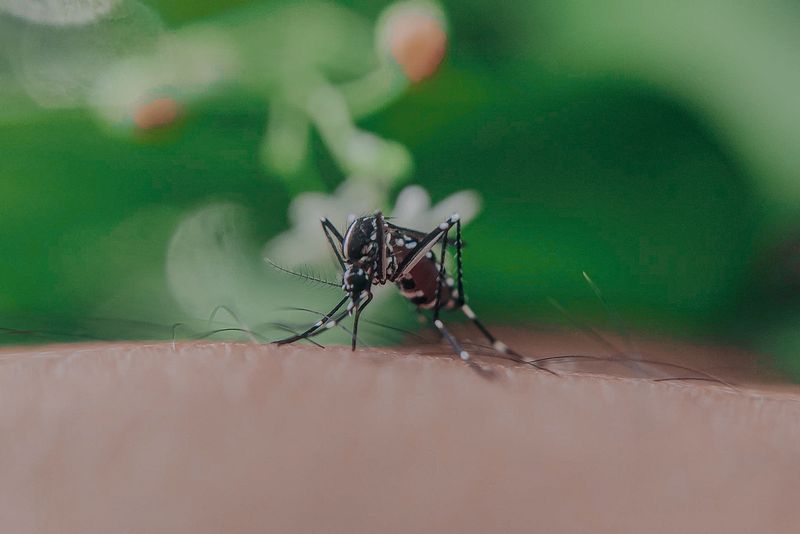
Aedes mosquitoes (which spread dengue) are most active during early morning and late afternoon.
Other mosquito species are more active from dusk through the night.
This means protection is important throughout the day, not just in the evening.
Where Are Mosquitoes Most Common?
Mosquitoes can be found throughout Vietnam, but you'll encounter more of them in:
Parks and gardens
Rice fields and rural villages
Forests and hiking trails
Lakes and rivers
Areas with standing water
Tropical islands after rainfall
Large cities like Hanoi and Ho Chi Minh City generally have fewer mosquitoes in busy urban districts, although parks, canals, and residential neighborhoods may still have noticeable mosquito activity.
Risk is highest in the Mekong Delta around Can Tho, in rural lowlands, and on islands like Phu Quoc.
Central coastal towns such as Hoi An see more mosquitoes after the autumn rains.
Highland areas like Sapa and Ha Giang are noticeably lower risk because of the cooler climate and altitude.
8 Effective Ways to Avoid Mosquito Bites
1. Apply Mosquito Repellent
A quality insect repellent is your best defense.
Look for products containing:
DEET
Picaridin (Icaridin)
Oil of Lemon Eucalyptus (PMD)
Apply repellent to exposed skin according to the product instructions, especially before sightseeing, hiking, or spending time outdoors.
2. Wear Lightweight Long Sleeves
Loose-fitting long sleeves and long pants create an effective physical barrier while keeping you comfortable in Vietnam's tropical climate.
Light-colored clothing is often preferred because it absorbs less heat and may attract fewer mosquitoes than darker colors.
3. Stay in Accommodation with Air Conditioning or Screens
Air-conditioned rooms typically have fewer mosquitoes.
When booking accommodation, look for:
Air conditioning
Window screens
Mosquito nets (particularly in rural areas)
Good guest reviews mentioning cleanliness
Photo By Luther Yonel on Unsplash

4. Avoid Standing Water
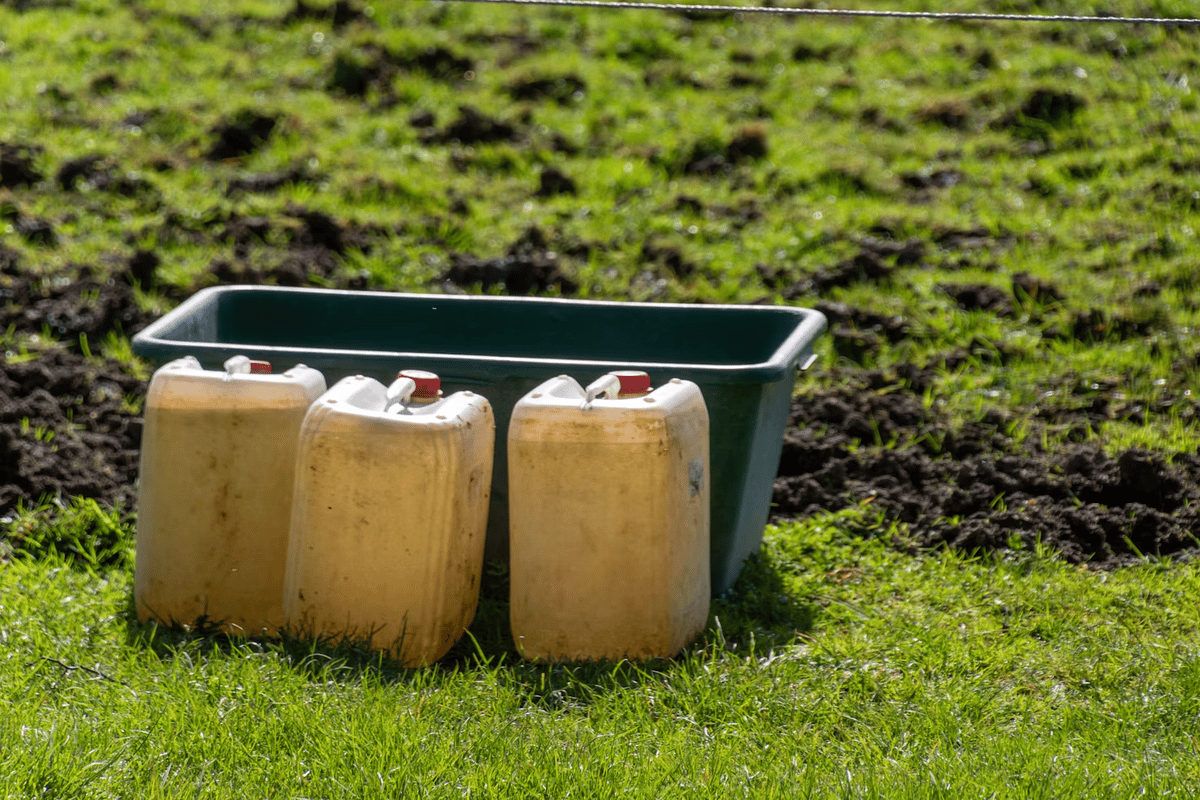
Mosquitoes breed in stagnant water.
Although travelers can't control public spaces, you can avoid spending extended periods near:
Ponds
Flooded areas
Water containers
Marshes
5. Close Doors and Windows at Night
If your room doesn't have window screens, keep doors and windows closed whenever possible, especially during the evening.
6. Use Mosquito Nets in Rural Areas
If you're staying in villages, eco-lodges, or remote locations, sleeping under a mosquito net provides an extra layer of protection.
Many accommodations in these areas provide nets for guests.

7. Be Extra Careful During Outdoor Activities
Activities that increase mosquito exposure include:
Trekking
Camping
Cycling
Kayaking
Visiting waterfalls
Nature tours
Carry repellent with you and reapply it as needed.
8. Shower After Sweating
Heavy sweating can reduce the effectiveness of insect repellent.
After outdoor activities, shower if possible and reapply repellent before heading back outside.
Do You Need Mosquito Repellent in Major Cities?
Yes.
Although mosquito populations are generally lower in urban centers, mosquitoes are still common in:
Parks
Riverside areas
Residential neighborhoods
Outdoor cafés
Night markets
Keeping a small bottle of repellent in your day bag is a smart precaution.
What If You Get Bitten?
Most mosquito bites are harmless and only cause mild itching.
To reduce discomfort:
Avoid scratching.
Wash the area with soap and water.
Apply an anti-itch cream if necessary.
Use a cold compress to reduce swelling.
If you develop symptoms such as:
High fever
Severe headache
Persistent vomiting
Joint or muscle pain
Rash
Unusual bleeding seek medical attention promptly, especially if you've recently been bitten by mosquitoes.
Treat it seriously and read our guide to dengue symptoms and when to seek care in Vietnam.
Frequently Asked Questions
Are mosquitoes common in Vietnam?
Yes. Mosquitoes are found throughout Vietnam, with higher numbers during the rainy season.
Is dengue common in Vietnam?
Dengue cases occur every year, particularly during the wet season. Travelers can reduce their risk by preventing mosquito bites.
Do I need mosquito repellent every day?
If you're spending time outdoors, especially in the morning, late afternoon, or evening, daily use is recommended.
Can I buy mosquito repellent in Vietnam?
Yes. Mosquito repellent is widely available in pharmacies, supermarkets, convenience stores, and many tourist areas.
Final Thoughts
Mosquitoes shouldn't stop you from exploring Vietnam. By packing an effective insect repellent, wearing appropriate clothing, and taking a few simple precautions, you can greatly reduce your chances of getting bitten.
Whether you're wandering the lantern-lit streets of Hoi An, hiking in Sapa, cruising Ha Long Bay, or relaxing on Phu Quoc Island, a little preparation goes a long way toward ensuring a safe and enjoyable trip.
Safe travels, and enjoy everything Vietnam has to offer!